18 Years Later, Metallica Finally Played It Again at Sphere
Ever wondered how a few familiar notes can suddenly turn a concert into a trip back through nearly two decades? Metallica supplied that kind of moment at Sphere in Las Vegas on October 3, 2026. During the second show of their Life Burns Faster residency, the band brought back a song that had been missing from its live sets since 2008. The surprise was rooted in something wonderfully simple: four musicians choosing to play a piece of their history again.
An absence that long changes the meaning of a song’s return. The last live appearance had been on June 7, 2008; by the time Metallica reached Sphere, more than 18 years had passed. For listeners who remembered that earlier period, the gap connected two very different chapters of the band’s career. For those who discovered Metallica afterward, the comeback offered a rare chance to hear a long-dormant track in a current concert setting.
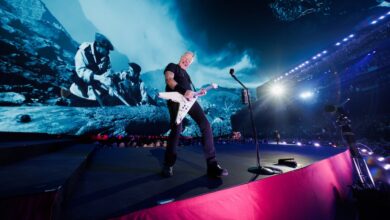
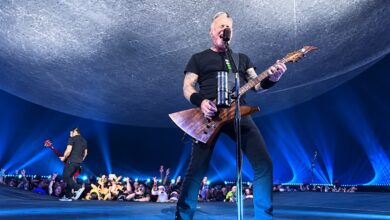
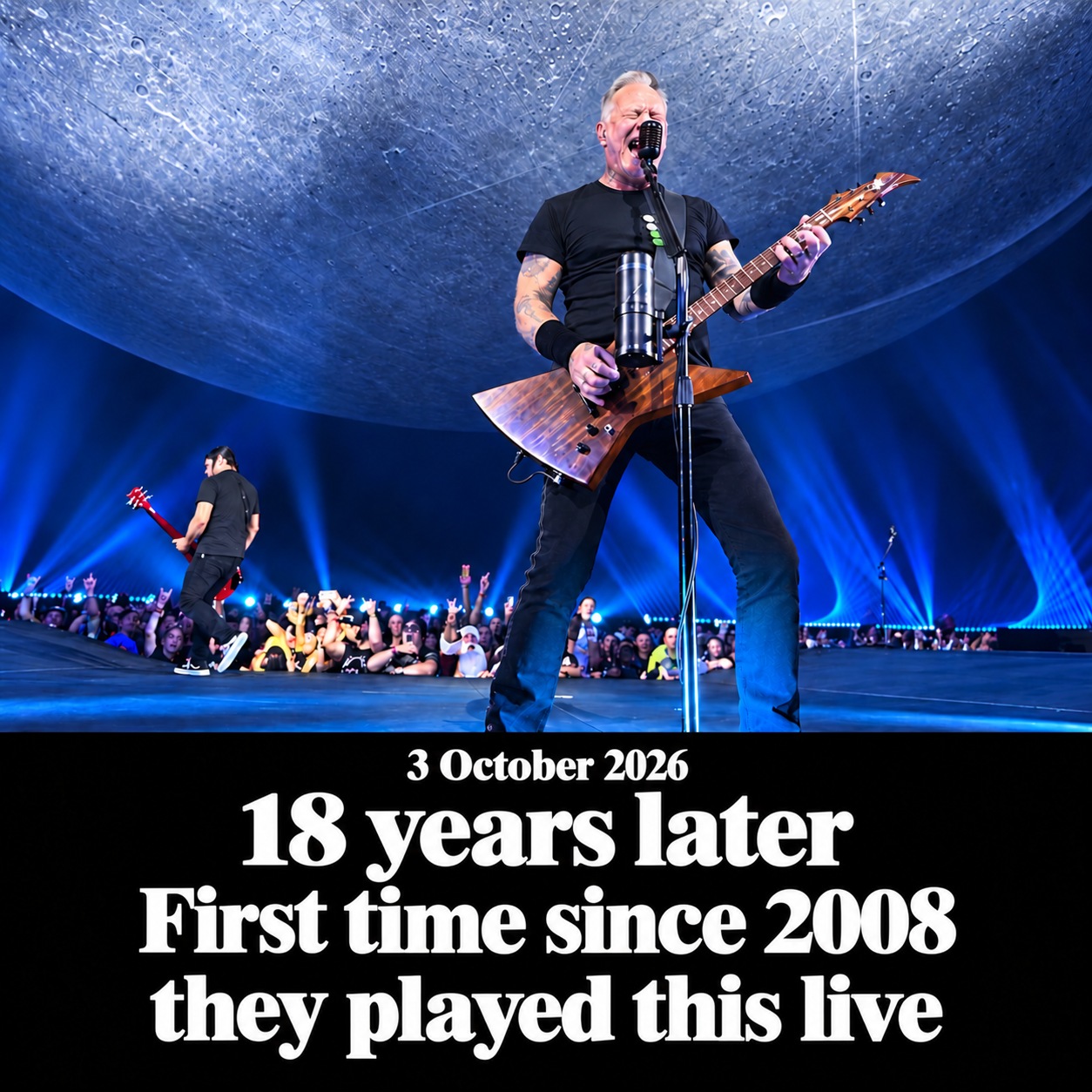
The Las Vegas venue added another layer to the moment. Sphere can make the musicians look small against the scale of its curved interior, yet a performance photograph from this night puts James Hetfield right at the center: black shirt, angular brown guitar, microphone and blue light. That combination captures the attraction of this residency. The setting is enormous, while the physical business of playing a song remains immediate and recognizable.
The surprise arrived early enough to reshape expectations for the rest of the evening. Metallica opened with “Blackened,” followed by “Fuel” and “Leper Messiah,” before reaching for the rare selection in the fourth slot. With their No Repeat Weekend approach giving the second show a different set from October 1, there was room for an unexpected turn. This was the kind of choice that rewards people who know the catalog beyond its most familiar anthems.
The song was “Devil’s Dance,” the heavy, groove-driven track from Metallica’s 1997 album Reload. Its return carried a particular appeal because its character is so different from the band’s faster material. Instead of racing forward, it settles into a dark, deliberate pulse. After 18 years away from the stage, that unmistakable change of pace became the story—and the fan-filmed recording below preserves its October 3 comeback at Sphere.
Much of the song’s appeal lives in its low end. The bass gives the music a sense of movement beneath the guitars, making the groove feel as important as the riff itself. Robert Trujillo’s place in the arrangement invites listeners to pay attention to that foundation. This is a Metallica song whose weight depends on the relationship between the instruments, giving the rhythm section plenty of room to shape its identity.
Hetfield’s vocal approach is central to that identity as well. “Devil’s Dance” asks for control, attitude and a measured sense of menace. Its phrasing works with the deliberate instrumental pulse, allowing the space around each line to contribute to the mood. In a live performance, those qualities give the singer a different kind of presence from the rapid attack associated with many of Metallica’s best-known thrash songs.
The guitar writing helps sustain that tension. Repetition draws the listener into the groove, while the lead passages add another texture above it. Kirk Hammett’s role sits inside a musical framework built around weight and atmosphere. The arrangement has room to breathe, and that breathing room is part of what makes a return to this song feel distinct within a set spanning several decades of Metallica’s music.
The Reload connection makes the comeback especially interesting. Metallica’s late-1990s catalog gave the band space to explore different rhythms, tones and vocal moods, expanding the possibilities of a Metallica concert. “Devil’s Dance” belongs to that chapter. Bringing it back in 2026 shows how an older stylistic choice can still contribute something useful to a modern set, without having to sound like the songs immediately around it.
There is also a difference between remembering a recording and watching musicians revisit it years later. A studio track fixes one version of a song in time. A live return places it alongside everything the band has played and experienced since. That is why the 18-year interval matters: the familiar composition becomes a meeting point between the original material, the present-day performers and the people listening in the room.
For a longtime listener, a rare song can make a concert feel unusually personal. The biggest hits offer a shared point of recognition, while a deeper selection may connect with memories that are less widely discussed. The significance of this return is easy to understand on those terms. It gives fans of this period of Metallica’s work a moment centered on a song they may have stopped expecting to hear live.
Sphere’s scale makes that musical choice particularly striking. A residency with such an elaborate setting could easily be discussed only through its production. Yet this moment draws attention back to the setlist. The technology provides the setting; the long-awaited song gives the performance its particular meaning. It is a reminder that the most memorable surprise in an enormous venue can begin with a decision about what to play next.
Whether the track becomes a recurring part of future shows remains to be seen. Its October 3 appearance already stands as a distinctive point in the residency: Metallica reopened a door that had been closed since 2008. For anyone deciding which moments made Night 2 special, this comeback deserves a place in the conversation. Eighteen years later, the song was no longer just a memory from the band’s live past.
To hear “Devil’s Dance” closer to the period before its long absence, revisit Metallica’s performance in Chorzów, Poland, on May 28, 2008. This earlier live version provides a useful companion to the Sphere recording, letting you compare the same song across a substantial stretch of the band’s career. Its familiar groove puts the historical gap into a musical context, keeping the focus on how the track works onstage.
For an even earlier perspective, listen to the Madison Square Garden performance recorded in New York on March 10, 1997. It takes the song back to the year Reload was released and offers another reference point for its live history. Placed beside the 2008 performance and the 2026 return, it turns one unexpected Sphere selection into a way of exploring how Metallica has carried this particular piece through different eras.