“Practice Made Perfect”: A Viewer Applauds Layla Clark and the Whole TJHS Band
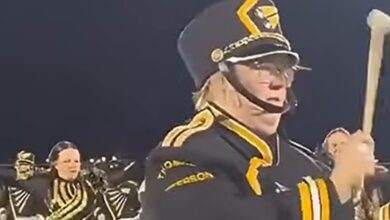
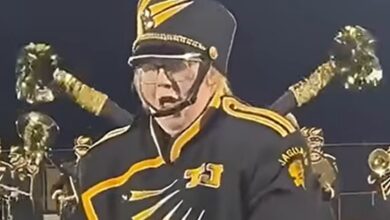
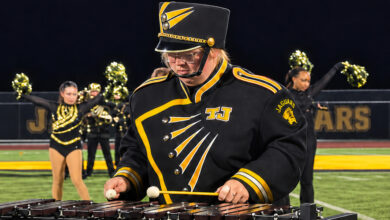
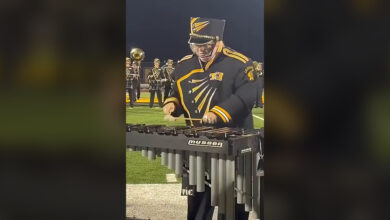
“Practice made perfect,” one listener wrote after watching Layla Clark and the Thomas Jefferson High School marching band play “Thunderstruck.” The reply had 143 likes when recorded on November 8. The commenter named Clark and thanked the whole TJHS band, a combination the clip itself helps explain.
The opening is exposed enough that the spacing between the strikes is easy to hear. Clark and her fellow mallet players have time to establish a pulse before the rest of the ensemble enters. By the time the sound expands, the listeners already know the riff and have a sense of how fast it is moving.
The entrance works because those two parts fit. The mallets supply a clear pattern. The other players add a wider sound around it. The rehearsal story Clark told the Pittsburgh Post-Gazette helps explain the arrangement: the mallet players were initially surprised to find that the band was meant to wait while they played.
The detail about the rehearsal gives the waiting some weight. When the mallet players started the riff and nobody else joined, they stopped. Band director James Mirabella told them to keep playing. The exposed beginning gave the figure enough room for the audience to hear it before the rest of the arrangement came in.
That means two kinds of timing are at work. The players at the front keep the notes themselves evenly spaced. The rest of the band holds back until the arrangement calls for its entrance. Both jobs depend on listening, and the effect on the field comes from the contrast between those two sounds.
Clark told Axios that her bandmates were a big part of what made the performance work. The viewer who called it practice made perfect picked up on the same thing by congratulating the whole band. It is easiest to hear what they mean if you stay with the clip after the figure everyone recognizes.
Listen for the handoff to the whole band
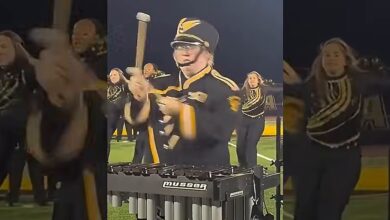
The Ringgold video gives the entrance more visual context. Look beyond the marimba toward the students spread out behind it. The camera can show you how much of the ensemble is already in position while one part of the arrangement has the audience’s attention.
Watch for the full band in the Ringgold recording
The Mars program supplies another angle from the same season. You can follow the changes in sound across the show and hear how a featured passage leaves room for another section. The result depends on where the band puts the volume and movement, and how quickly it changes from one to the other.
A second field view from the Mars halftime show
On a second listen, pick the moment the sound gets bigger. The mallet players give the group a clear rhythm before that point. Once the rest of the band is audible, you can still hear the opening figure as the thing that brought everyone in. That is the part of the performance the commenter’s group credit captures.