How Layla Clark Made AC/DC’s “Thunderstruck” Look Easy on Marimba
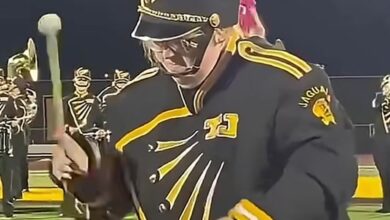
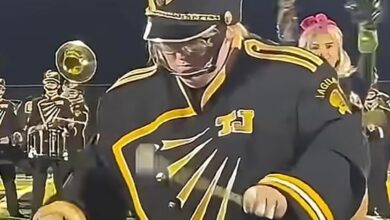
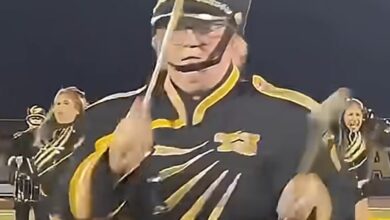
Layla Clark looks down at the bars as the opening of “Thunderstruck” starts to take shape. If you know the AC/DC recording, you can identify the song before the rest of the Thomas Jefferson High School marching band has had much to say. Then you notice how little Clark moves between strikes. The pattern travels across the bars, and her hands are already in position for the next one.
“What a flex. ‘Hold my beer while I play AC/DC on the xylophone.’” The joke catches the casual confidence people see in the clip. The instrument Clark is playing is a marimba. Its rounded attack changes the sound of the opening, but the notes arrive with enough definition that Angus Young’s guitar figure is easy to pick out.
On the guitar recording, one pitch keeps coming back as the notes around it move. The marching-band version keeps that shape. Watch how Clark’s mallets find their way back to the same part of the keyboard between trips to other bars. Keeping that recurring note in time is what makes the figure hold together when you hear it from the stands.
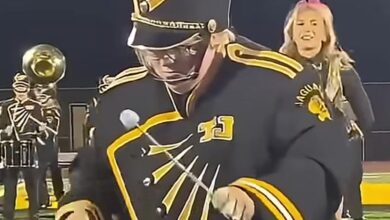
The instrument changes what the player has to do between notes. A guitarist works with frets and strings, while a marimba player must lift the mallet, move it to the next bar and strike again. Each attack is out in the open. If the interval between strikes starts to drift, it changes the pulse of the riff right away.
Clark told CBS Pittsburgh that learning the part took time and that she still heard room for improvement. She also pointed out in an interview with the Pittsburgh Post-Gazette that five mallet percussionists played the opening together. The phone camera follows her closely, while the sound gives you a reason to look for the other players.
Try two passes through the 2025 performance. Follow Clark’s hands first, especially the short trip back to the recurring note. On the second pass, listen for the moment the ensemble arrives. By then, the mallet section has established the song clearly enough for the rest of the band to come in around it.
Hear what the rest of the band adds
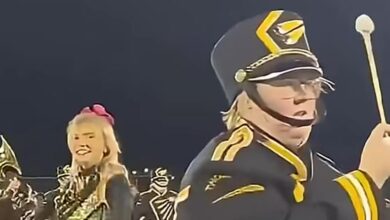
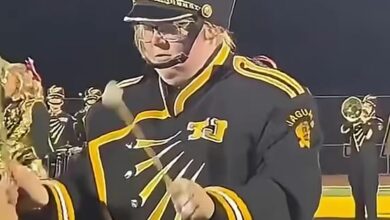
An audience angle can make a marching-band arrangement feel like a solo. The wider view of the Jaguars gives the eye somewhere else to go. It lets you see the players behind Clark and hear how the front ensemble’s sharp, dry attack sits alongside the fuller band sound.
Clark makes the opening feel easy because she gets to the next bar before your ear has time to wonder where the riff is going. She gets there again and again at the same pace. The remark about playing on a dare gets the confidence right. The replay shows where it came from.