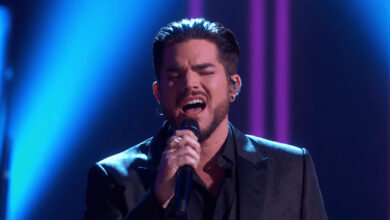
Heart Mesmerizes Las Vegas With a Powerful “Alone / What About Love” Medley (Nov 14, 2025)
From the moment people began filtering into the BleauLive Theater at Fontainebleau Las Vegas that February night in 2025, there was a strange mix of casino noise and quiet anticipation hanging in the air. Outside, the resort’s mirrored curves and neon felt like pure Vegas excess, but inside the three-level theater, fans were speaking in softer tones, trading stories about old vinyl copies of Dreamboat Annie and long drives scored by Heart’s power ballads. This wasn’t just another nostalgia show; it felt like a reunion people weren’t sure they’d ever get again.
When the lights finally dropped, the chatter evaporated in an instant. A roar erupted as silhouettes moved into place, and the opening punch of Bebe Le Strange hammered through the PA. It wasn’t just volume; it was attitude. The riffs bounced off the sleek walls of the BleauLive, built for modern pop residencies more than classic rock veterans, yet the Wilson sisters owned it instantly. You could see people in the first rows already wiping away tears, caught between the past they remembered and the present they were suddenly grateful to still witness.
Song by song, the setlist unfolded like a guided tour through five decades of their history. Never and Love Alive reminded everyone how easily Heart could pivot from sharp, radio-ready hooks to slow-burning grooves that felt almost spiritual. When Little Queen and These Dreams appeared, the crowd’s age range revealed itself in the sing-along: older fans leaned into the 70s phrasing, while younger ones belted the 80s chorus like it was still dominating MTV. This wasn’t simply a concert—it was the unraveling of personal timelines stitched together by music.
Crazy on You and Dog & Butterfly became early tests of stamina. Ann’s voice—once the subject of anxious speculation after recent health struggles—came out with that same piercing, unmistakable edge, maybe a shade more lived-in but somehow more dangerous because of it. The high notes weren’t tossed out casually; they were selected like precision tools, used only where the emotional payoff demanded it. Watching her shape each line, fans could feel the years and the resilience inside every phrase.
Mid-show, the mood shifted dramatically when the band eased into Going to California. The Fontainebleau’s pristine acoustics wrapped those Zeppelin chords in a soft, floating glow, but the performance remained fragile and wholly human. It felt like a quiet tribute from one generation of rock legends to another. Nancy’s acoustic picking drifted under Ann’s gentlest vocals of the night. For a few minutes, the usual Vegas energy fell away, replaced by an intimate, almost sacred stillness.
Nancy’s own moment arrived with her instrumental piece, 4 Edward—a tender interlude that always feels like a personal confession offered in the middle of a storm. The spotlight tightened to a single warm glow as she played, the guitar held like a journal opened in public. In a show filled with anthems and power choruses, this quiet piece reminded everyone how much softness and heart sit beneath the band’s rock-and-roll exterior.
By the time Magic Man landed, the entire crowd had surrendered to the night. People who spent the early songs politely seated were now on their feet, phones half-raised, unable to decide between documenting the moment or simply living it. The giant LED screens behind the band swirled in psychedelic colors, echoing the spirit of old concert posters. Despite the sleek modern venue, the energy felt raw, electric, and delightfully old-school.
But the true centerpiece of the night wasn’t one song—it was a pairing. Listed simply as Alone / What About Love on the setlist, the medley became an emotional turning point. These were songs many in the audience had grown up with, survived heartbreak with, healed with. When the intro began in near-total darkness, a hush fell over the room. Ann stepped forward into a lone spotlight, and the theater shifted into collective anticipation.
Alone began with a whisper, almost confessional. Ann leaned gently into the lower register, giving the verses a vulnerability that made the lyric “till now, I always got by on my own” feel newly true. When she reached the pre-chorus, the room held its breath. Everyone knew the iconic leap was coming. And she took it—clean, fierce, and perfectly controlled—igniting an eruption of applause that washed through the venue like a wave.
While the cheers still shimmered in the air, the band slid seamlessly into What About Love. The tonal transition was subtle but striking: a shift in harmony, a build in percussion, and suddenly the emotional landscape changed. The song’s question—once framed as romantic yearning—felt bigger now. It became a reflection of loyalty, endurance, and the bond between artist and audience. After everything the band had been through, the lyrics resonated with a depth that couldn’t have existed decades earlier.
Visually, the production mirrored the emotional journey. Alone was painted in cool blues and purples, giving the stage a lonely, almost frozen atmosphere. As What About Love swelled, the colors heated into gold and crimson, radiating warmth outward across the balconies. In a venue designed to be sleek and extravagant, the medley briefly transformed it into a small, glowing music hall where every person felt connected.
When the medley concluded, the silence before the applause was almost as powerful as the ovation itself. It lasted only a second, but it carried the weight of absorption—people processing what they had experienced, holding onto it before it slipped into memory. The moment felt like a reminder of why Heart still mattered, not as an act of nostalgia, but as living artists capable of delivering something immediate and soul-stirring.
The encore broke the emotional heaviness with a jolt of adrenaline. Fans roared as the opening riff of Barracuda tore through the room, the band hitting it with the same fiery intensity that made it a defining piece of rock history. The sleek Vegas stage couldn’t tame it; if anything, it amplified the rawness, making the finale feel triumphant and thunderous.
As the lights rose and the final notes faded, people lingered in the aisles, buzzing about the show. Even among the celebration, one topic dominated every conversation: that Alone / What About Love medley. It wasn’t just the highlight of the night—it became a shared emotional anchor, the moment fans felt they had witnessed something rare.
In the days that followed, shaky concert clips circulated online, gathering thousands of comments from fans stunned by the strength of the performance. Many wrote about how the medley made them revisit their own memories, old relationships, and personal turning points. For a band five decades into their career, inspiring that kind of reflection felt like proof of their staying power.
For those who flew into Las Vegas specifically for these shows, the trip became more than a getaway—it became part of the legend. The city’s neon glow, the newly energized Fontainebleau, and the roar of the BleauLive crowd all fused into a story they would tell for years. It wasn’t Heart returning to the stage; it was Heart reclaiming it.
And at the center of that reclamation was the medley itself, a pairing of two songs that had always stood tall on their own but became something transcendent when woven together. Alone gave the room its ache, What About Love gave it its warmth, and together they created a moment that felt like a declaration. In 2025, under the bright lights of Las Vegas, Heart didn’t just perform—they reminded everyone why their music still reaches the deepest parts of people’s lives.