Zombie (YUNGBLUD & The Smashing Pumpkins) – A Heavier, Darker Rebirth
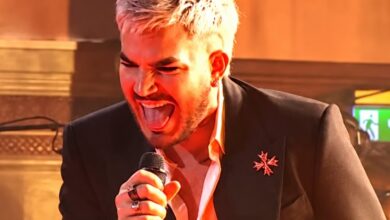
“Zombie” didn’t start as a clever crossover stunt. It started as a personal song inside YUNGBLUD’s world—one he’s described as the most important track on his IDOLS era—written from that familiar place where anger, pain, and empathy all collide at once. By the time the reworked version arrived with The Smashing Pumpkins, it felt less like a feature and more like a door opening: a younger artist inviting one of his formative influences to step directly into the emotional center of the song and leave fingerprints all over it.
The story gets interesting because it didn’t happen through a label handshake or a marketing plan. The connection sparked after YUNGBLUD and Billy Corgan crossed paths at Black Sabbath’s farewell event “Back To The Beginning” in Birmingham in July 2025, the kind of night where rock history feels close enough to touch. In that environment, the distance between generations shrinks. Respect becomes real, and conversations carry weight because everyone in the room understands what it costs to keep rock music feeling honest.
There’s also something poetic about the specific influence at play. YUNGBLUD has pointed straight at Siamese Dream as an album that was there for him when he was growing up, not as a casual reference, but as a lifeline record—one of those works that teaches you it’s okay to be messy and cinematic at the same time. That’s a very Pumpkins idea: huge feelings, huge tones, vulnerability wrapped in distortion. “Zombie” was already built with that emotional-cinema-heavy-guitars blueprint in mind.
So when he emailed Corgan and asked him to re-imagine the track, it wasn’t just “jump on my single.” It was more like, “Help me take this thing to the place I hear in my head.” And when Corgan said yes, the collaboration became a kind of validation you can’t fake—like the mentor figure from your headphones suddenly stepping into the room, picking up a guitar, and showing you how the shadows can look even darker, even more beautiful, when you’re not afraid of them.
The new version lands like a heavier weather system moving in. It keeps the bones of the original, but the atmosphere shifts: more urgency, more bite, more of that unmistakable Pumpkins edge that can feel both grand and bruised at once. YUNGBLUD has described it as heavier and more heart-ripping, and that’s exactly what makes it work—the song doesn’t become slicker; it becomes rawer, like someone turned the emotional contrast up until you can’t look away.
One of the most striking parts is how naturally the two voices sit together. YUNGBLUD brings that cracked-open, youth-in-flames intensity—like he’s singing from inside the storm. Corgan brings the haunted steadiness, the weary sparkle, the tone that’s always carried a hint of distance even when it’s intimate. Together, it feels like two different eras of alternative rock speaking the same language: one frantic and immediate, one reflective and razor-sharp.
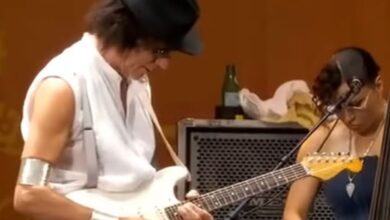
And because it’s The Smashing Pumpkins, the guitar identity isn’t subtle. When Corgan’s signature sound enters the track, it doesn’t just decorate it—it changes the gravity. The riffs and textures feel more layered and more spectral, like the song has suddenly found an extra dimension behind the melody. It’s the kind of shift fans recognize instantly, even if they can’t name what’s happening technically; they just feel the emotional temperature drop and the weight increase.
Structurally, the rework is built to emphasize that handoff between worlds. It begins in familiar territory, letting YUNGBLUD set the scene, and then the second wind arrives—Corgan entering and the track thickening, as if the story widens from one person’s confession into something shared, something generational. That’s where the collaboration stops feeling like a cameo and starts feeling like a transformation, a re-staging of the same feelings with heavier lights and deeper shadows.
There’s also a wider narrative around YUNGBLUD at this moment: he’s been moving in a lane where older rock institutions are watching him closely—some skeptically, some proudly—and a collaboration like this is a loud answer to the “is rock alive?” debate. Not because it’s nostalgic, but because it’s proof that alternative rock’s emotional DNA can still mutate and survive. It’s not a museum piece. It’s a living thing that keeps finding new bodies.
That’s why this release hit the way it did in early January 2026. It wasn’t only “cool feature news.” It was a statement about lineage. The Smashing Pumpkins aren’t just any band—they’re one of the defining architects of a certain kind of grand, wounded, arena-sized intimacy. Bringing that sensibility into a modern YUNGBLUD track is like connecting two ends of the same wire and watching the current surge through again.
The title “Zombie” carries its own emotional symbolism too—this idea of being alive but not fully present, of going through the motions while something inside is screaming for truth. In YUNGBLUD’s hands, it’s urgent and personal; with Corgan involved, it gains that extra layer of existential ache the Pumpkins have always done so well. The collaboration makes the song feel less like a single moment of pain and more like a long conversation about surviving yourself.
Even the rollout leaned into that sense of event. The song arrived as a dedicated single release in January 2026, carrying the collaborative artist credit and presenting itself as its own chapter rather than a quick remix drop. That framing matters, because it tells listeners: treat this as a new version with a new emotional intent—not a bonus track, not an afterthought, not a novelty.
And while the internet will always split into camps—purists, newcomers, skeptics, diehards—the cultural function of a collaboration like this is bigger than any single comment thread. It introduces younger listeners to a band that shaped the emotional vocabulary of alternative rock. It also challenges older fans to hear a modern artist as more than a headline—someone genuinely chasing “truth in art,” not just attention, and willing to be vulnerable enough to ask a hero to reshape his work.
The timing also intersects with YUNGBLUD’s broader awards-season visibility. “Zombie” has been tied to major recognition in the rock categories, which is part of why this re-imagined version feels so strategic without feeling cynical. When a song is already carrying that kind of attention, you can either polish it for the masses or deepen it for the believers. This collaboration chooses depth, choosing mood and weight over easy accessibility.
And maybe that’s the most satisfying part of the whole story: it doesn’t dilute the song’s emotion to make it “bigger.” It makes it heavier to make it more honest. It takes the personal intensity YUNGBLUD is known for and refracts it through Corgan’s unmistakable lens, creating a version that feels like a meeting of scars rather than a meeting of brands. Rock doesn’t need permission to exist—but moments like this remind people why it refuses to die.
By the end, “Zombie” with The Smashing Pumpkins feels like a bridge you can actually walk across. On one side: a modern artist still proving himself, still burning, still writing like everything is on the line. On the other: a band that already survived the cycle of hype, backlash, myth, and legacy—and still knows how to make guitars feel like weather and emotions feel like architecture. Where they meet, the song becomes something bigger than either name on the credit: a pulse check for alternative rock’s heart.