Brian May Says Queen Will Not Tour America Again Due to Safety Concerns
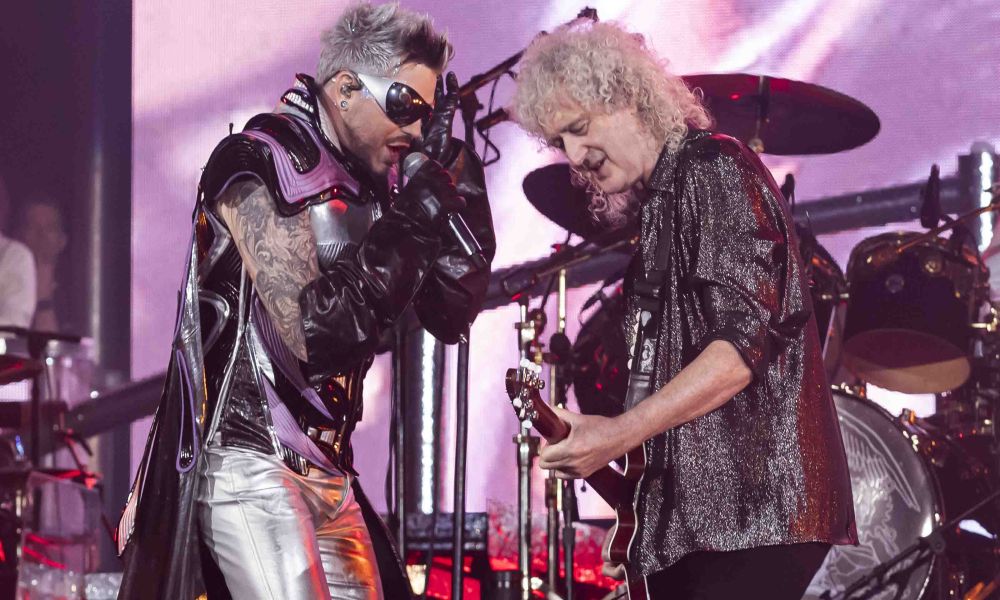
When the words left Brian May’s mouth, they landed with the weight of history. Queen, one of the most enduring rock bands of all time, may never tour America again. The reason wasn’t scheduling conflicts, declining ticket sales, or creative burnout. It was fear. “It’s too dangerous,” May said plainly, and in that moment, decades of triumphant U.S. performances, sold-out arenas, and cultural milestones suddenly felt fragile. This wasn’t a publicity stunt or a passing remark—it was a sobering reflection of how much the world, and the live-music landscape, has changed.
For Queen, America has always been more than just another stop on the tour map. It was the country where the band transformed from ambitious outsiders into global icons. From early struggles to chart dominance, U.S. audiences played a crucial role in validating Queen’s bold sound and theatrical ambition. To hear that same country now feels unsafe to one of rock’s most respected musicians marks a profound emotional shift, not just for the band, but for fans who grew up believing Queen and America were inseparable.
The announcement didn’t come with anger or blame—it came with sadness. May spoke with clear affection for American fans, emphasizing that the decision wasn’t rooted in dislike or dismissal. Instead, it was framed as caution. The joy of performing, he implied, cannot exist alongside constant anxiety over safety. When the risk of tragedy begins to overshadow the celebration of music, the equation changes, even for legends who once thrived on massive crowds and explosive energy.
Queen’s most recent American tours, particularly during the Adam Lambert era, were triumphant by any measure. Night after night, arenas filled with multigenerational audiences singing along to songs older than many in attendance. Those concerts weren’t nostalgia acts; they were living, breathing events fueled by collective joy. That memory now contrasts sharply with May’s concern, highlighting how quickly public spaces can transform from symbols of unity into sources of unease.
Underlying the statement is a broader conversation many artists have been quietly having for years. Touring today is not what it was in the 1970s, ’80s, or even the early 2000s. Large crowds now carry risks that musicians can no longer ignore. Security measures grow heavier, anxiety follows performers from city to city, and the emotional burden of responsibility—to fans, crews, and families—becomes impossible to dismiss. For a band like Queen, whose performances thrive on openness and connection, that shift is particularly painful.
Brian May’s perspective is also shaped by time. At this stage in life, priorities evolve. The adrenaline of the road no longer outweighs the value of health, peace of mind, and longevity. Touring is physically demanding, emotionally draining, and logistically complex. Adding a layer of constant concern about violence or instability turns what was once exhilarating into something unsustainable. His words reflected not fearfulness, but wisdom earned through decades of experience.
Fans’ reactions ranged from heartbreak to understanding. Many expressed sadness at the possibility that they may never see Queen live on American soil again. Others voiced respect for the band’s honesty, recognizing that legends do not owe endless sacrifice. For longtime listeners, the announcement felt like the closing of a chapter they assumed would always remain open, even if only for occasional farewell tours.
The cultural significance of the statement extends beyond Queen alone. When an artist of Brian May’s stature openly questions the safety of touring in the United States, it forces a broader reckoning within the music industry. Live performance has long been seen as the ultimate expression of artistic freedom and community. If even icons hesitate, what does that say about the environment younger or less established artists are navigating?
There is also a quiet irony in the moment. Queen’s music has always championed resilience, defiance, and collective strength. Anthems built for stadiums now echo through headphones and living rooms instead of live crowds. Yet even without touring, the band’s presence remains overwhelming. Their songs continue to dominate streaming platforms, film soundtracks, sporting events, and global pop culture, proving that physical absence does not equal cultural disappearance.
Adam Lambert’s role in Queen’s modern era adds another layer of complexity. His performances revitalized the band for a new generation, bridging past and present with respect and power. The success of that collaboration made the idea of future tours feel not only possible, but inevitable. That’s why May’s statement felt so jarring—it interrupted a narrative that seemed destined to continue.
Still, the door was not slammed shut entirely. The language May used suggested hesitation rather than finality. Circumstances change. Climates shift. What feels impossible today may become feasible tomorrow. Queen has reinvented itself many times over the decades, adapting to loss, transformation, and cultural evolution. This moment may be another pause rather than an ending.
For American fans, the news invites reflection. Queen’s legacy in the U.S. is already complete in many ways—etched into music history through albums, tours, and unforgettable performances. Whether or not the band ever returns, those memories remain untouched. Perhaps that permanence is what makes the decision easier for the band and harder for the audience.
Beyond the logistics and headlines, the announcement resonates on a human level. It reminds us that musicians, no matter how legendary, are not immune to the anxieties shaping the modern world. They feel the same concerns, read the same news, and carry the same responsibilities toward the people they love and the crowds they inspire.
In the end, what made this moment special wasn’t controversy or drama—it was honesty. Brian May didn’t dress the truth in diplomatic language or marketing spin. He spoke plainly, as someone who has given a lifetime to music and understands its power and its limits. That candor transformed a simple touring decision into a cultural moment.
Queen’s story has always been about connection—between bandmates, between music and audience, between past and future. Whether or not they ever tour America again, that connection remains intact. The silence of absence, in this case, speaks just as loudly as a stadium filled with voices singing in unison.