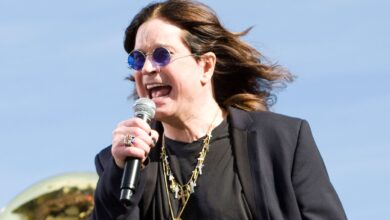
Tom Morello Announces ‘Defend Minnesota!’ Benefit Concert — and First Avenue Turns Into a Roaring Rally for the Families of ICE Victims
Minneapolis didn’t get a slow build-up or a carefully staged rollout. This one hit like a flare in the night sky: a last-minute call, a legendary room, a clear target, and a promise that every dollar would go where it was needed most. When Tom Morello announced Defend Minnesota!, the framing wasn’t vague, and the tone wasn’t polite. It was presented as a “concert of solidarity & resistance,” built to support the families of Renee Good and Alex Pretti—and it landed in public conversation with the same urgency as breaking news.
The details alone explained why people treated it like a civic event as much as a show. The benefit was scheduled for Jan. 30 at First Avenue, doors at 10:30 a.m., music at noon, tickets priced low enough to keep the barrier down, and a “very special guest” teased just enough to set the rumor mill on fire. The lineup read like a multi-genre coalition rather than a standard bill: Rise Against alongside the headliner, with Al Di Meola and Ike Reilly rounding out a roster designed to hit hard, not drift into background music.
By the time the day arrived, the city’s mood had already been sharpened by grief, anger, and a constant stream of updates. This wasn’t the kind of story people filed away as “somewhere else.” It was local, raw, and still evolving, with public demonstrations and heated arguments about enforcement, accountability, and what justice should look like. That atmosphere followed people through the doors. In the line outside, it didn’t sound like pregame chatter. It sounded like people comparing timelines, asking who had heard what, and trading that particular kind of nervous energy that shows up when a community knows it’s living inside history rather than watching it.
Inside First Avenue, the room did what it always does on an important night: it compressed strangers into a single shared pulse. The venue’s walls have soaked up decades of sweat and noise, but this afternoon had a different texture—less “Friday escape” and more “we showed up on purpose.” You could spot longtime fans in band tees, activists with signs folded under their arms, and people who didn’t look like regular concertgoers at all, pulled in by the cause rather than the setlist. When the lights dropped, the roar wasn’t only excitement. It was recognition: we’re here, we’re together, and we’re not letting this pass quietly.
Morello’s presence amplified that feeling instantly because he doesn’t walk onstage like a neutral entertainer. He arrives like a messenger with a guitar instead of a microphone. The tone of the day matched the way he has always used music—as a way to turn outrage into something rhythmic, repeatable, communal. The crowd didn’t need a lecture to understand what kind of set this would be. They just needed the first chord to confirm it. In that room, sound wasn’t decoration. It was the language the audience came to speak.
The opening choices were built for ignition. When he launched into Killing in the Name, it didn’t land like a throwback. It landed like a match struck inches from gasoline. The famous refrain—already a cultural shorthand for refusal—became a crowd-owned chant with the kind of volume that makes a venue feel physically smaller. People weren’t singing to prove they knew the words. They were shouting because the words felt like the only honest response left. The song’s power in that moment wasn’t nostalgia. It was utility: a piece of music that still knows how to function as a protest sign.
That’s where the performance became more than a set and turned into a scene. The crowd’s chant didn’t sound like a line from a record; it sounded like a unified decision. You could hear it in the timing—how thousands hit the same beat, the same syllables, the same fury, over and over, like they were stamping a message into the floor. Morello didn’t interrupt it or soften it. He played right through it, letting the audience take the lead and turning the room into an instrument bigger than any amp stack could ever be. Some moments are “watchable.” This one was participatory, the kind that makes you feel implicated simply by being there.
The daytime schedule gave the concert its own strange electricity. Noon shows don’t usually feel this intense, but that was the point: it wasn’t designed to be nightlife. It was designed to be public. The earlier start made it easier for more people to attend and made the benefit feel like a rally that happened to have elite musicians instead of a podium. The morning light outside almost made it surreal—people walking into a historic club while the rest of the city was still moving through a normal day. Inside, it was anything but normal.
As the set progressed, the mood widened from anger to something more layered: grief, tenderness, defiance, and the kind of stubborn hope you only find in crowds that refuse to disperse. Moments of humor and warmth flickered in the spaces between songs, not because the cause became lighter, but because humans can’t stay at maximum intensity forever. That’s one of the reasons benefit concerts can be so powerful: they let people hold multiple emotions at once, and they give those emotions somewhere to go. A chorus can become a release valve. A riff can become a heartbeat. A room can become a temporary shelter.
Then the show pivoted into a moment that felt like the headline writing itself in real time. The “very special guest” wasn’t just a recognizable name—it was Bruce Springsteen, stepping onstage into a roar that sounded equal parts disbelief and gratitude. The surprise wasn’t only that he came. It was the timing: the event had been announced just days earlier, and yet he showed up as if the urgency of the moment demanded it. When a figure that iconic chooses a small, cause-driven room over a controlled, big-stage appearance, it sends a message before a single lyric is sung.
Springsteen didn’t arrive to play a greatest hit. He played Streets of Minneapolis, a newly recorded response tied directly to the events that brought everyone together. That choice reshaped the room’s energy—less like a concert surprise and more like a live dispatch, a song written close enough to the pain that it still felt hot. Reports from the room and livestream reactions described the crowd erupting, then immediately locking in to listen. When he finished, the response wasn’t only applause; it turned into another chant, “ICE out now,” a reminder that the audience wasn’t there to be impressed. They were there to be heard.
Around that centerpiece, the supporting performers mattered because they kept the day from feeling like a single-artist statement. Rise Against added the kind of anthemic punk momentum that turns a crowd into a choir, while the presence of Al Di Meola introduced a different kind of intensity—precision, musicianship, the feeling of a master craftsman treating the stage like a place to speak without words. Ike Reilly brought a songwriter’s perspective, grounding the event in storytelling rather than spectacle. The variety worked because the mission was the glue: different sounds, one purpose, one room.
The most symbolic moment of the setlist, though, might have been the one that sounded least like a “big concert moment” on paper. This Land Is Your Land showed up as a communal statement rather than a soft interlude, performed with multiple artists sharing the stage. In a venue built on rock history, a folk standard can become a political mirror, reflecting who feels welcome, who feels hunted, and who gets to claim belonging. The crowd response suggested they understood exactly why it was there: not to calm things down, but to underline what’s at stake.
What made the afternoon special wasn’t simply the star power, the surprise guest, or the viral-friendly moments. It was the way the room behaved like a community that had decided to stop waiting for someone else to fix it. You could see it in the way strangers made space for each other, in the way people held their phones low when a song felt too serious to film, in the way chants rose organically instead of being prompted. There’s a difference between an audience consuming a show and a crowd using a show. Defend Minnesota! felt like the latter: music as a tool, a gathering as a statement, a benefit as a direct act of support.
It also helped that the mechanics of the event reinforced trust. Clear ticket pricing, clear beneficiary information, and a direct promise that proceeds would go to the families gave people something concrete to hold onto. In an era when many causes get diluted into branding, this one was blunt. The venue itself even emphasized strict ticketing controls and resale restrictions, which shaped the day into something closer to a protected space than a commodified event. That mattered, because it kept the focus on why people were there, not on who could flip a seat for profit.
By the end of the concert, the thing that lingered wasn’t just the volume of the chants or the shock of a superstar showing up at noon in Minneapolis. It was the sense of a city turning grief into presence. People left with that post-show buzz, yes, but also with something heavier and sharper: the awareness that this wasn’t closure. It was an interruption of silence. It was a refusal to let names fade. It was a room full of people making noise in the only language that can carry this far without permission—music.
And that’s why the story of Defend Minnesota! spread so fast. It wasn’t merely “Tom Morello played a Rage song” or “Springsteen made a surprise appearance.” It was the image of a community gathering at one of America’s most storied venues to say: we’re paying attention, we’re supporting the families, and we’re not done asking questions. In a time when headlines move on before grief can even settle, this concert forced the timeline to stop, if only for an afternoon, and let the city speak back with amplifiers.