She Walked Away From Skating — Then Returned To Rewrite Olympic History
February 21, 2026
0
After a remarkable return to the ice, the figure-skating prodigy is headed back to the Olympics — more fulfilled and at peace than ever. For her, that sense of happiness now outweighs any medal or title.
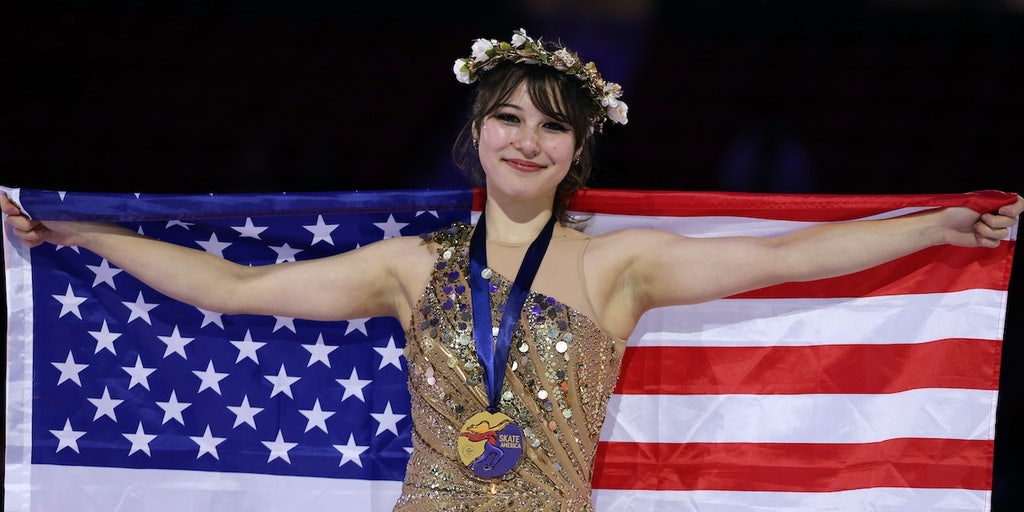
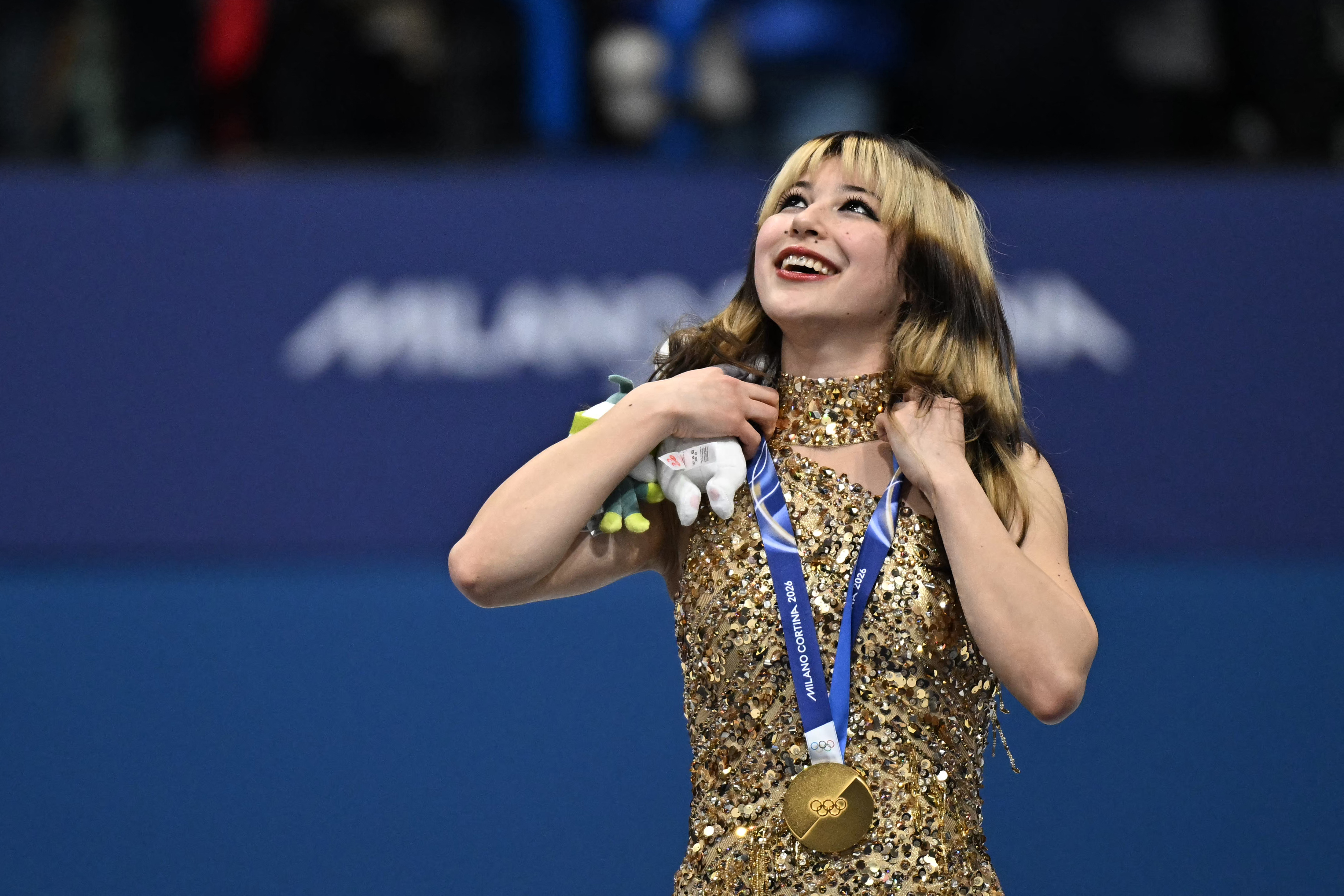
On Feb. 19, 2026, Alysa Liu captured gold in the women’s figure skating event at the 2026 Olympic Games. At just 20 years old, she became the first American woman in 24 years to claim the top spot on the podium. After finishing third in the short program, Liu delivered a breathtaking free skate that electrified both judges and spectators, earning a season-high score of 150.20 and a total of 226.79 points. “I literally can’t process this,” she said as she walked through the tunnel at Milano Ice Skating Arena moments after her victory.
Liu had been back in serious training for only about nine months when she stepped onto the ice at last year’s World Figure Skating Championships in Boston and delivered what many consider the defining performance of her career. Three years earlier, she stunned the skating world by announcing her retirement at just 16. By then, she felt satisfied with her achievements — becoming the youngest U.S. women’s national champion at 13, winning bronze at the 2022 World Championships, and finishing sixth at the Beijing Olympics. Yet beneath those accomplishments, she was exhausted, emotionally overwhelmed, and ready to reclaim the life she felt had slipped past her while she spent nearly every day inside an ice rink.
For two full years, she didn’t put on skates at all. Instead, Liu enrolled in college, experimented with mountain climbing, and spent time with friends, embracing a normal teenage life she’d long missed. She felt content — even thriving — until a ski trip with a friend unexpectedly reignited her desire to skate again. This time, however, she promised herself it would be different. She would return on her own terms, taking control of everything from her costumes and music to her routines, diet, and training schedule.
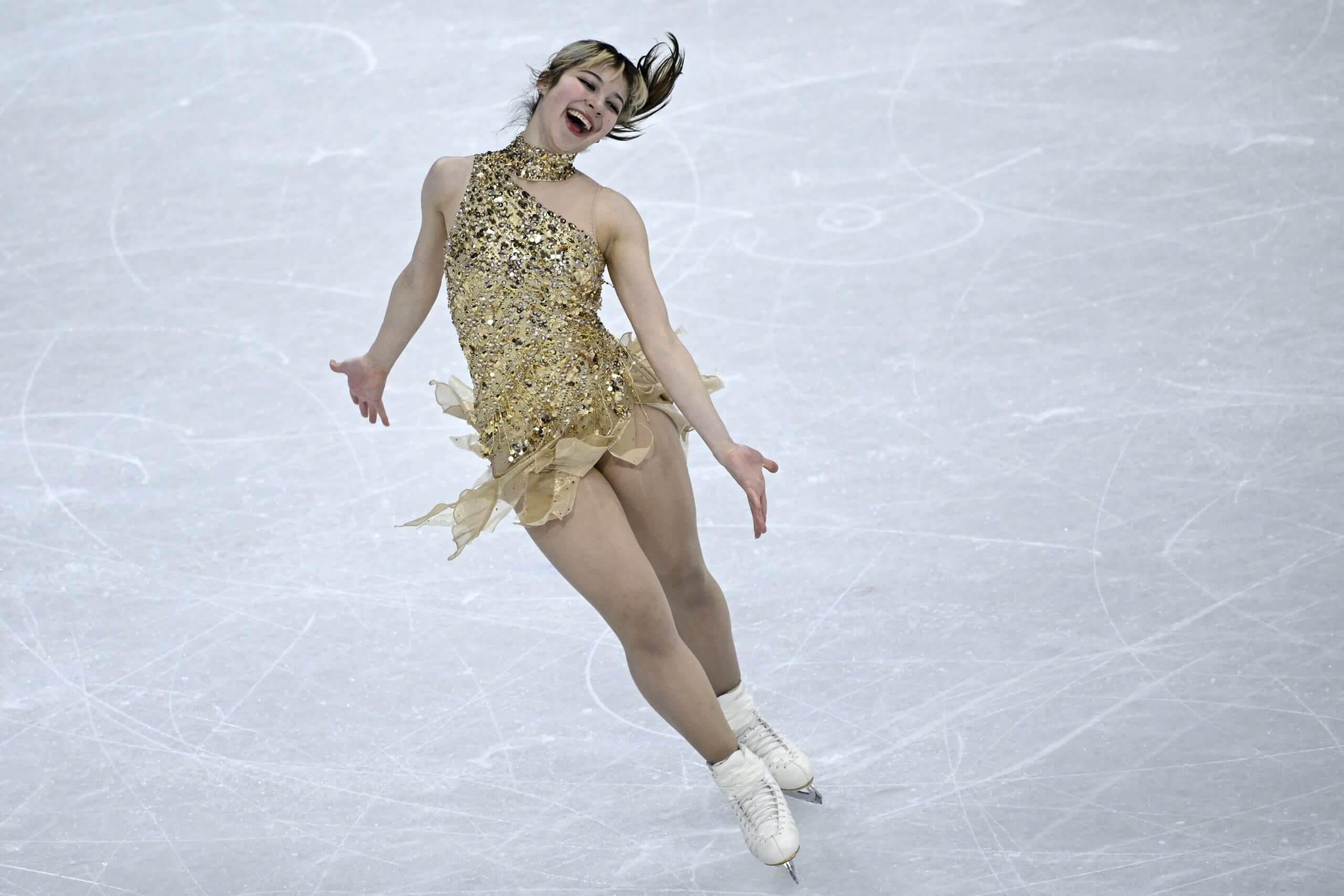
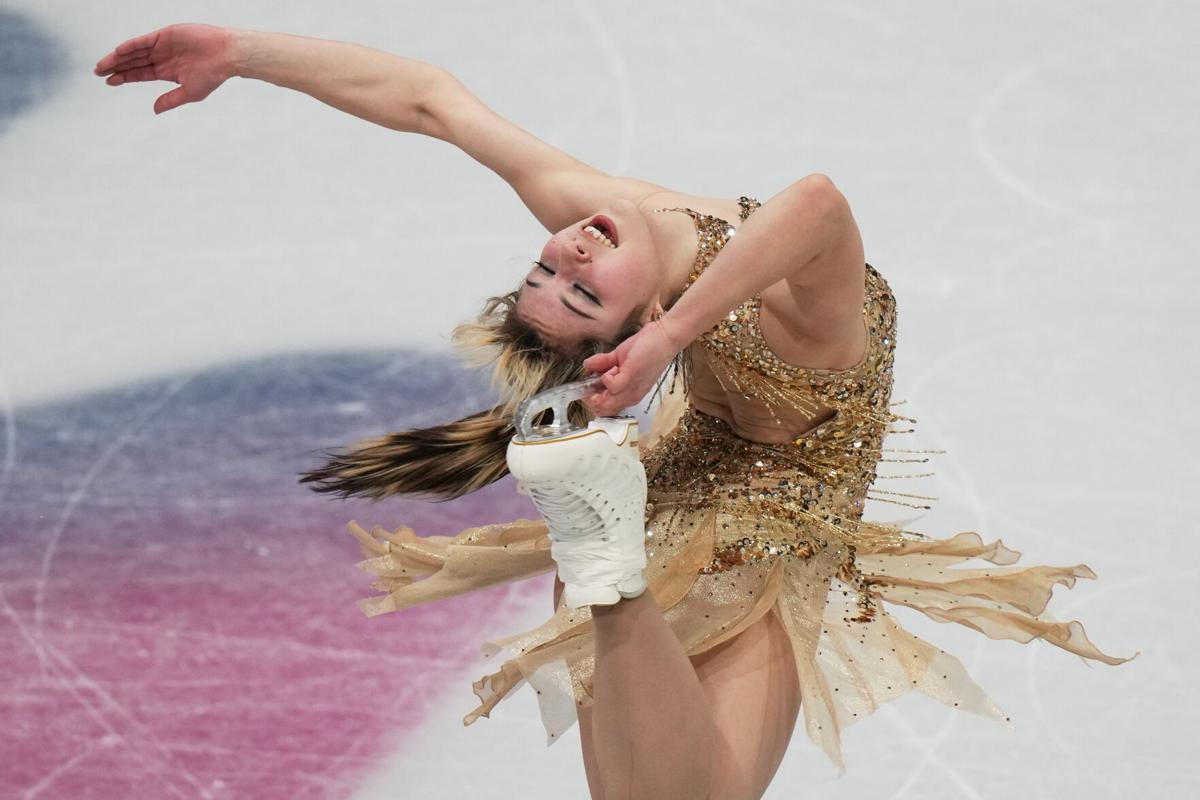
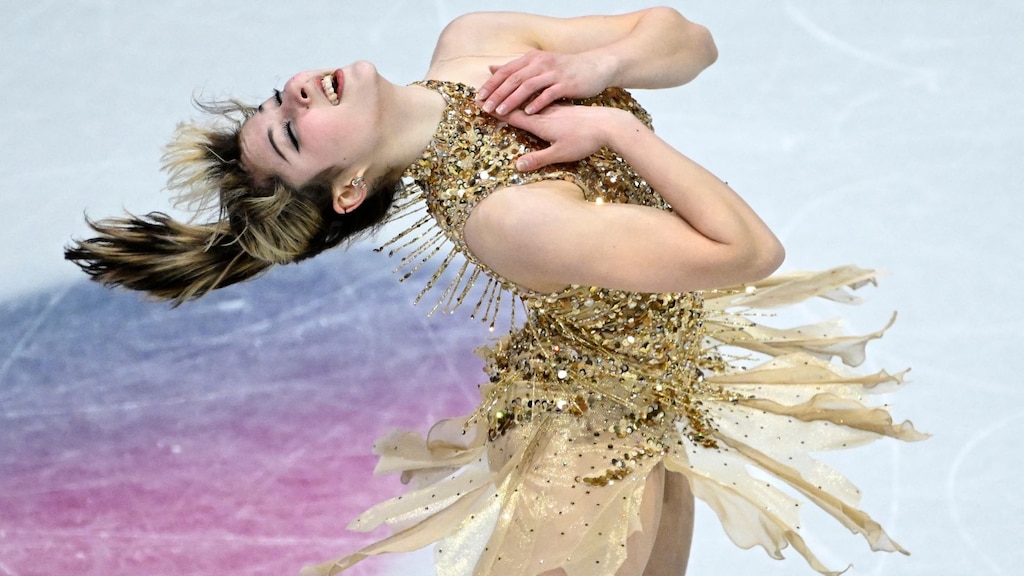
Liu resumed full training in the summer of 2024, and by the following March she found herself back in Boston, now 19, wearing a shimmering gold dress and projecting a look that leaned more punk rock than traditional ice princess. With a smiley piercing and zebra-striped hair, she stood quietly at center ice as her music began. Skating to Donna Summer’s “MacArthur Park,” she opened with a clean triple flip, followed by intricate jump combinations, rapid spins, and complex footwork, ultimately winning the world title. The last time an American woman had done so, Liu wasn’t even a year old.
“The happiest moment for me was after I hit my final pose and saw everyone jump up and start cheering,” Liu recalls. “I was like, ‘Oh hell yeah!’ But it wasn’t about winning — it was about the program itself. It was the best run-through I’ve ever had. The energy was unreal. People were cheering, clapping, dancing. I would give anything to skate that program again and feel that kind of energy.”
Watching Liu skate in this new chapter of her career, it’s impossible not to notice her natural talent and how effortlessly she makes even the most demanding elements look. Still, what stands out most isn’t just her technical brilliance — it’s the joy she radiates on the ice. She looks calm, centered, and genuinely relaxed, executing incredibly difficult skills with ease. Even in packed arenas, it feels as though she’s skating solely for herself, disconnected from expectations and external pressure.
In late October, about seven months after her world championship win, Liu was in New York City making media appearances before entering an intense training phase ahead of the U.S. National Championships, which would determine her place on the Olympic team for the Milan-Cortina Games. She later secured her spot by finishing second at nationals in January and would head to the Olympics alongside Amber Glenn and Isabeau Levito. Thanks partly to viral TikTok moments, the trio earned the nickname “Blade Angels.”
When we meet at the office following the photoshoot, Liu — now 20 — has swapped out her edgy fashion looks for baggy jeans, a graphic T-shirt, and Vans. Laughing, she explains that her style often leads people to make assumptions. “I’ll be at athlete events and people are like, ‘You’re a snowboarder, right?’ And I’m like, ‘Actually, I’m a figure skater.’” While she describes her everyday wardrobe as more masculine, she says she still loves the intensely feminine nature of figure skating.
Liu grew up in Oakland with her father, Arthur, who raised her as a single parent. She is the oldest of five children, all born through egg donors, IVF, and surrogacy. Her younger sister, Selena, is two years behind her, while triplets Josh, Justin, and Julia are four years younger. Liu spent much of her childhood traveling for training in places like Delaware, Colorado, Florida, and Italy, but when she was home, she cherished being the fun older sister who stayed up late playing video games with her siblings.
She first stepped onto the ice at age five after her father heard about Michelle Kwan. By six, she was already competing. At the rink, skating felt like pure fun, surrounded by friends and excitement. “I never really realized I stood out,” Liu says. “Other people noticed before I did.” As her career progressed, professional coaches were brought in, and she eventually transitioned to homeschooling to accommodate training. “I graduated high school at 15 because everyone wanted me done a year before the Olympics so I could focus completely,” she explains.
“I don’t love the word, but she was a phenom from the beginning,” says longtime coach Phillip DiGuglielmo. “She belongs in that rare group with athletes like Tiger Woods, Serena Williams, and Simone Biles. She’s right there with them.”
When asked about landing her first triple axel at just 12 — still the youngest woman to do so internationally — and winning her first national title the following year, Liu pauses. “I think I felt good,” she says, then hesitates. “Honestly, I don’t remember how I felt at all. Those memories are gone.” She’s seen the footage and knows she looked happy, but adds that she didn’t enjoy skating back then because she had no creative control. “I wasn’t choosing my programs or my dresses. I was just doing what I was told.”
“When Alysa came back and started skating for herself, the performances were magical.”
DiGuglielmo agrees, explaining that before her retirement, Liu rarely questioned authority. “At 12 or 13, most kids don’t,” he says. “She just did what she was told.”
Watching old footage now feels strange to Liu. “It’s like looking at someone else,” she says, attributing the disconnect to trauma she believes caused her to block out those memories. Her days began at the rink by 8 a.m. and often lasted 11 or 12 hours, every single day without breaks. Alongside the intense schedule came strict monitoring of her diet, even being told not to drink water due to concerns about weight. “Imagine saying that to a 13-year-old,” she says. Eventually, the pressure became unbearable.
During the COVID period, things worsened as she trained alone and lived far from home. She traveled to and from the rink by herself, longing to be with family and friends. Missing birthdays and milestones took its toll. “I felt like I was giving up my life for a career I didn’t even care about anymore,” she says. “All I wanted was to be home.”
After competing at the 2022 Olympics and earning world bronze that same year, Liu stepped away. “I knew I’d done what my younger self dreamed of,” she says. “I felt free.”
The year that followed was full of new experiences. She got her driver’s license, traveled, attended concerts, spent time with friends, shopped for everyday clothes, and even hiked to Mount Everest Base Camp. Later, she enrolled at UCLA to study psychology and moved into a dorm. Most importantly, she healed. “When I quit, the toxicity I associated with skating just vanished,” she says.
In January 2024, she tried skiing for the first time and rediscovered the thrill of speed and movement. It reminded her how much skating meant to her. Soon after, she returned to the ice, landing jumps with ease. By summer, she was training full time again — this time grounded, confident, and self-aware.
Everything feels different now. She chooses her coaches, controls her schedule, and skates because it brings her joy — not because she’s chasing legacy. That freedom shows every time she steps onto the ice.
Skating has become her creative outlet. She designs her own dresses, selects her music, and collaborates closely with her coaches. At nationals, she debuted a free skate set to Lady Gaga tracks, fully embracing her artistic vision.
As she looks ahead to the Milan-Cortina Olympics, Liu says results matter less than expression. “I skate to show what I can create,” she says. “I choose my own destiny.”