‘She Stepped Up’: The Mallet Percussion Spotlight in Layla Clark’s ‘Thunderstruck’
Among the reactions to Layla Clark’s “Thunderstruck” performance, one listener focused on the opportunity the arrangement created. “You don’t get a lot of opportunities to shine on that instrument. She stepped up,” wrote @ProsectorPath beneath the school district’s post on X.
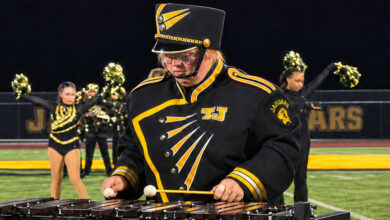
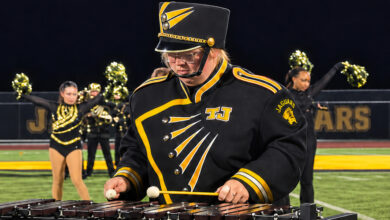
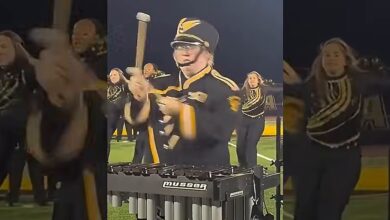
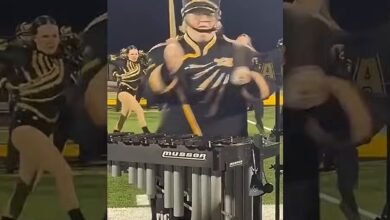
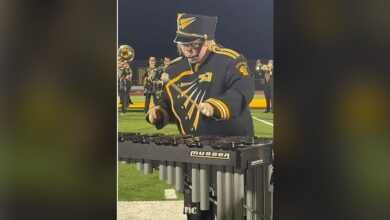
The reply had 1,035 likes when checked on November 7. It makes a specific observation about the clip: the keyboard percussion part gets sustained attention before the ensemble fills out the sound. Clark is visible at the front, with the familiar AC/DC figure moving beneath her mallets.
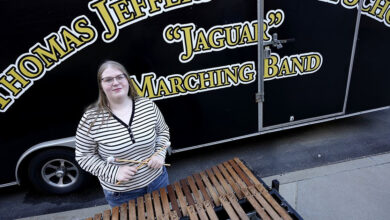
The original recording comes from Thomas Jefferson High School’s 2025 marching band season, according to KDKA Radio. Clark was a junior then and is now a senior. The performance’s new audience is discovering an opening that puts a school percussionist in a role usually associated with an electric guitar.
The timbre changes the way the riff reaches the listener. Each strike has a clear beginning, and the space before the next one is audible. A repeated figure can sound effortless once it settles in; the close-up shows the hands continuing to make it happen.
It is worth watching the line across several repetitions. The interest comes from the consistency of the pattern as much as the movement of the mallets. Listeners already familiar with the song have an immediate reference point, so they can follow both the notes and the player’s control.
Then listen for the entrance around her. The opening has a destination: the rest of the Jaguars join and give the figure a much larger setting. Clark’s part remains connected to that ensemble moment, which is where the arrangement’s decision to begin with mallets pays off.
Why the exposed opening holds attention
The comment about having a chance to shine is a viewer’s assessment, rather than a rule about what mallet instruments can do. Here, though, the camera and arrangement agree on a focal point. Both keep the listener close to the repeated line long enough to appreciate how it is being played.
There is no need to know the names of the notes to follow the work. A mallet rises, another lands, and the figure returns. The visible motion gives a listener a way into the performance before the full band arrives.
That makes the short recording unusually easy to revisit with a different focus. Follow the mallets on one viewing, then look beyond Clark toward the other performers. The first view shows the detail of the opening; the second shows the people who will help turn it into a field-sized arrangement.
See the arrangement within a complete show
The Jaguar Marching Band’s halftime recording against Mars, dated October 31, 2025, includes “Thunderstruck” within a longer program. This is a separate performance recording, offering a wider view of the ensemble and the relationship between its percussion opening and the rest of the show.
Compare the riff with AC/DC’s original
AC/DC’s official video provides the natural comparison. Its opening guitar figure makes the song recognizable before the full arrangement develops. Return to Clark’s clip afterward and the contrast is immediate: a different instrument changes the texture while preserving the line that listeners know.
The school performance works because that recognition survives the change. An audience can hear “Thunderstruck” straight away, then notice something new about the musician playing it. The reply that praised Clark for stepping up identifies precisely that meeting point: a familiar riff and a well-used opportunity to lead.