‘That Was a Cardio Workout’: What Makes Layla Clark’s ‘Thunderstruck’ Look So Demanding
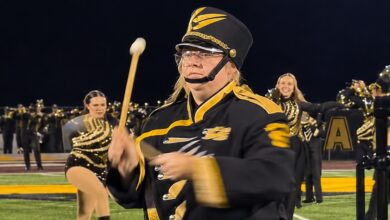
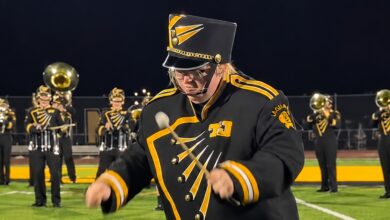
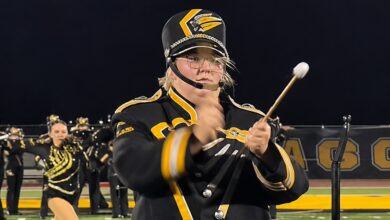
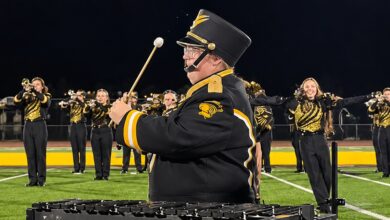
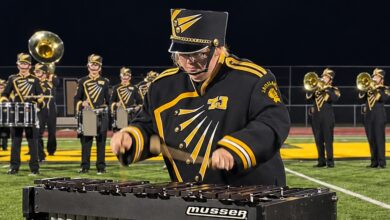
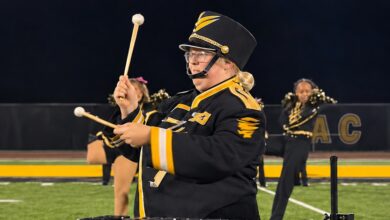
The phrase “That was a cardio workout” captures a particular way of watching Layla Clark play AC/DC’s “Thunderstruck.” The listener is responding to the visible effort: mallets moving between bars, repeated strikes continuing through the opening and a musician keeping the part alive inside a larger field performance.
It is an enthusiastic description, not a measurement of exercise or a medical claim. What the recording lets viewers assess is the movement itself. The line keeps returning, and the player has to keep finding the next note without losing the shape that makes the riff familiar.
The same reaction describes the figure as easier on guitar. That is a viewer’s comparison, rather than a universal ranking of instruments. A guitar and a mallet instrument place different tasks in front of a player. The interesting point is how clearly this arrangement exposes the physical movement between notes.
In the close-up, you can see a strike arrive and the hand prepare for another. There is a visual consequence to every repetition. Recognition of the song gives the viewer a reference, while the changing position of the mallets makes the continuation worth following.
The band contributes to that effect. Clark is the visible focal point, but the arrangement needs the surrounding musicians to give the opening somewhere to go. The change from a repeated figure to fuller ensemble sound is part of the payoff, not a separate event added after the impressive passage.
Try watching the primary recording twice: first for the tune, then for the path of the mallets. The same familiar phrase becomes a different listening experience when the attention shifts from recognizing the song to following the actions that keep it moving.
A repeated pattern has to keep its shape
Speed attracts attention, but repetition makes the task readable over time. The listener can anticipate the phrase and hear how each return connects with the one before it. A brief flourish could pass too quickly to follow; the continuing opening invites a closer look.
Movement alone does not explain the music. The strikes also need to create a coherent phrase, with enough continuity for the arrangement around them. That is why the timing of the surrounding band matters. The performer and the ensemble share the responsibility for keeping the passage intelligible.
The live 2CELLOS version below offers a different physical translation of the same material. Bows, strings and a concert stage change what the eyes follow while preserving the identity of the song. It is a useful comparison of visible musical work, rather than a contest to declare one instrument the hardest.
The field view changes the scale
A separate Jaguars halftime recording at Trinity puts the school ensemble in a wider frame. The close-up emphasizes the player and the bars. The field view lets the audience follow the group’s position, the surrounding performers and the way the music occupies a larger space.
These recordings complement each other without needing to be treated as simultaneous angles. One makes repeated hand movements easy to notice; the other makes the ensemble’s role easier to see. Together they explain why a listener might react to the playing as something both musical and physically demanding.
“Mad respect” is a concise verdict, but there is a specific observation underneath it. The phrase keeps coming back, and the musician has to meet it again. The reward for the viewer is hearing a rock opening stay recognizable while its demands become visible in a new form.