The Quietest Part of Ann Wilson’s Rockville Duet Is Easy to Miss
The first thing you notice about the Rockville recording is the size of the stage. The first thing worth listening for is much smaller. As Ann Wilson sings her part of “Don’t Tell Me,” she lets the last words of a quiet phrase hang just long enough to make you wait for the next one.
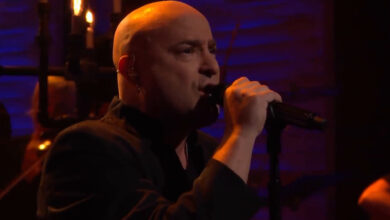
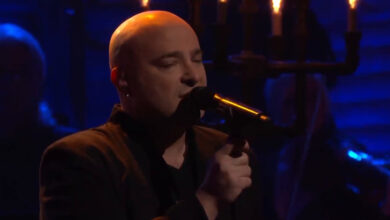
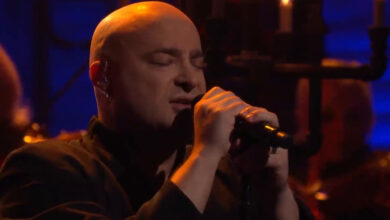
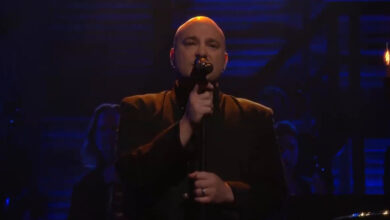
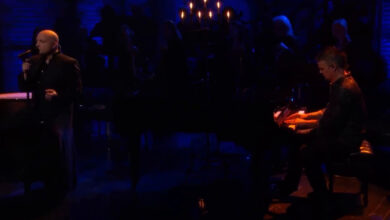
Wilson joined Disturbed at Welcome to Rockville in Daytona Beach on May 9, 2024. She was 73, and it was her first time performing the duet live with David Draiman. Their studio version had already shown what the two voices could do together. The audience footage lets you see how naturally the singers give each other space in front of a crowd.
Compare that quiet passage to the moment Draiman comes back beside her. You can still hear Wilson clearly, even when the sound gets bigger. The payoff begins before either of them goes for a big note. It begins with the audience leaning in while Wilson still has somewhere to take the song.
A festival crowd and a small vocal detail
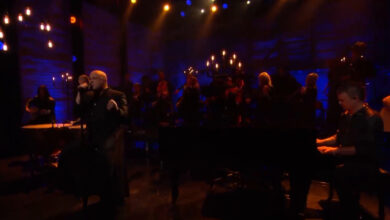
A festival video can tempt you to look for the largest moment first. The equipment and lights fill the screen, the band is playing for a crowd spread across an outdoor field, and the camera is often a long way from the microphones. A small vocal detail can be easy to miss in that setting. This is a recording that makes it worthwhile to follow one quiet phrase before you turn your attention to the stage as a whole. Wilson’s control over its ending gives you the clearest sense of how much sound she is leaving available for later.
That restraint matters because of what an audience brings to this particular guest spot. People familiar with Heart already know the size of Wilson’s voice. A Disturbed crowd knows the kind of force Draiman can bring when the band gets loud. There is an obvious expectation that the event will be about two people making a big sound together. The live duet builds toward that expectation gradually. The quiet stretch is where you learn that the people doing the singing have enough control to make the difference between a phrase and a climax matter.
The first time the pair sang it live
The setting was Welcome to Rockville in Daytona Beach, Florida, on May 9, 2024. The song was already familiar in its album form, and the official video offered listeners a close view of the two singers. This was their first time performing it live together. Wilson was 73. What the festival footage adds is a sense of how each singer attends to the other person’s line. When one is at the microphone, the other has a choice about how to occupy the stage. Watching that choice can be as revealing as following the arrangement in the original recording.
Watch the performance
Welcome to Rockville performance
An audience camera rarely divides its attention as neatly as a music video. For a few seconds you may see more of the singer who is waiting than of the one who is delivering the line. Here that perspective has its uses. Watch Draiman while Wilson is taking the quieter passage. There is enough space around her to hear what she is doing even when the camera is giving you a reminder of everything else onstage. That is why it helps to listen once without worrying about the framing, then watch again for the movement between the two of them.
A closer look at the ends of the lines
Pick a Wilson phrase that comes before the band has reached its full sound. The start of the line is easy to hear. Stay with the words for an extra beat and notice what she does to the sound at the end. The tone can change slightly even while the melody is staying within the same range. You get a different sense of the line when you wait for that change. In an audience recording, these tiny differences can survive a surprising amount of noise. They are the reason to return to the softer part after you have seen how the song finishes.
When Draiman’s voice comes back alongside hers, the same kind of attention pays off. The sound has more density, but you can still pick Wilson’s part out of it. Try following her through the shared line, then follow him through the same few seconds. Each voice makes sense on its own and both make sense in the arrangement. The contrast is the payoff for leaving the opening relatively clear. By the time they sing together, you already know enough about each tone to hear what gets added when they occupy the same space.
What to hear in the other two clips
The official “Don’t Tell Me” video gives you a quieter room in which to hear the same handoff. It is especially helpful if you want to work out where one line ends and the other begins. The Rockville performance is more revealing if you want to see how the pair respond to each other with the band and a festival audience around them. The two versions make a good test of the same idea. Listen first for the part that holds your attention in both, before deciding which recording you want to keep coming back to.
“Alone,” recorded with Heart and the Royal Philharmonic Orchestra, gives Wilson a completely different setting. She has one long lead part rather than another singer to answer. Still, you can hear the value of giving the quiet phrases room before the biggest sound arrives. Compare what she does in that opening with the moment just before Draiman comes back beside her at Rockville. The music sounds very different, but both performances make you wait a little longer than you expect. That is a big part of why the strongest note has somewhere to go when it arrives.
There is plenty in the Rockville recording for listeners who want to hear the two voices at full strength. The best reason to replay it may be the stretch just before that. Wilson can make the venue feel smaller for the length of a line. When the band and the other singer come back around her, the change in scale makes the entire performance feel larger.
Related videos
Official duet
Heart’s orchestral Alone