The Scream That Made Longtime Linkin Park Fans Give Emily Armstrong a Second Look
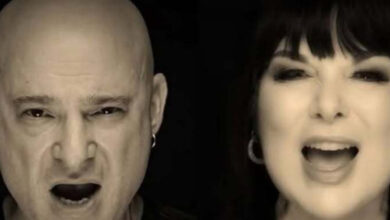
The scream in “Heavy Is the Crown” comes with enough warning for the audience to know exactly whose moment it is. There is a short phrase to set it up, and then Emily Armstrong extends the final sound far enough that the song appears to stop moving forward for an instant. The musicians are still playing. You can feel them sustaining the pressure while she stays with the note. When the full chorus returns, there is a reason it feels bigger than the last one.
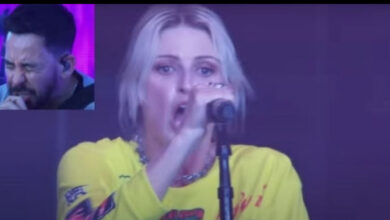
The official live film is from London’s O2 Arena, where Linkin Park played on September 24, 2024. That was early in the return, and “Heavy Is the Crown” was still new enough to introduce to a crowd. Some listeners had spent years associating this kind of vocal climax with Chester Bennington. It made sense that they would use his performances as a reference. The London video lets you hear Armstrong handle the pressure of that association through a song she recorded in her own voice.
Start with the pace of Mike Shinoda’s part. He delivers words with a sharp rhythmic definition, and the arrangement gives each phrase somewhere to land. When the sung chorus opens, it has a much wider shape. Armstrong has room to hold part of a word across the beat, and the contrast makes the transition feel larger than it would if both singers used the same approach. The scream pushes that difference further. The groove that held Shinoda’s precise delivery is now supporting a voice doing almost the opposite thing with time.
Longtime fans will recognize a structural resemblance to “Given Up.” Both recordings use a sustained vocal moment to make the section around it feel especially tense. The guitar tones, melodies and phrasing give each track its own character. Chester’s version of that idea was the one people had spent years revisiting, so his name came up immediately when fans talked about what Armstrong had just done. You can hear the family resemblance and still follow the specific choices she makes about how to enter the scream and how to come out of it.
The word that leads into the scream is important, too. You can hear the articulation at the start and then the way that single vowel becomes the center of the sound. There is a stretch where the voice is both a melodic line and part of the noise the guitar is making around it. Hold your attention there until the drums send the band back into the chorus. The vocal gets the spotlight for good reason, and that handoff is where the arrangement delivers its payoff.
The footage is a good place to see why some people who grew up with Bennington started giving Armstrong a closer look. A recorded performance gives them something specific to judge. They can point to a moment that held a room and replay the seconds around it. That still leaves room for all the reasons an old Linkin Park song can feel personal. The London performance makes its own argument through the change in the music, with the long vocal and the release into the chorus doing most of the talking.
Watch the performance
The live performance also gives you a different balance from the studio version. When the sound belongs to a room, the band’s movements are part of how you experience the song. There is a visible expectation as the bridge comes into view, and the full mix has to keep the central vocal clear through a busy stage sound. You can see the other players stay inside the tempo even while the camera is inviting you to focus on Armstrong. The pulse keeps the tension from turning into a pause.
Linkin Park’s São Paulo film gives the song another setting. That performance comes from the From Zero release show in November 2024, after the single had been out long enough for the audience to know where its biggest moment was. The line leading into it can function differently when the crowd already knows what is coming. The concert film lets you compare the scale of the backing and the voice with an audience expecting the song. Small differences in how the beat feels can make the same sequence hit in another way.
The Worlds performance provides a different point of comparison because the vocal and production are part of a staged entrance. The trophy gives the eye somewhere to go at the same time the song gives the ear a clear peak. London depends more on the way the players carry the music and on how far Armstrong takes the phrase. At Worlds, you can follow how that same piece of music is used to intensify an event on a much larger stage. It explains another reason the song traveled beyond album listeners.
There is another reason the audience response is worth paying attention to. A new singer performing an old hit is usually measured against a single reference take. This audience was hearing a new track in an early concert arrangement, so the performance could become a reference in its own right. The London film caught the band while that reference was still being established. The note gets people into the clip, and the balance of the two voices and the band gives them something to return to after the surprise wears off. That is where the song begins to have a live history of its own.
A scream that long is an easy detail to build a headline around. The funny thing about revisiting the London clip is how many quieter decisions come into view once you know it is coming. Shinoda’s phrasing sets a pace. The drums and guitar keep it available to the rest of the band. Armstrong uses the lift into the final chorus to pay off what they have put in place. It is an effective piece of arrangement with a convincing live vocal at the center, which explains why a few seconds of it can make somebody want to hear the whole song.
Related videos
“Heavy Is the Crown” live in São Paulo
League of Legends Worlds opening ceremony