What You Hear Right Before Kristoffer Sørensen Stands Up
There is a brief stretch in Kristoffer Sørensen’s “The Sound of Silence” when he is still low on the stage and the rest of the performance is almost ready to arrive. The camera keeps enough of him in the frame to show the shift in his body. The band and the lights will soon give the television performance much greater scale. The sound of the line he is singing just before that happens is why the visual change feels so closely tied to the song.
Sørensen sang the song on The Voice Norway in 2023. People familiar with Simon & Garfunkel or Disturbed can hear part of the history of “The Sound of Silence” in his choice of dynamic. He begins with material a listener already recognizes over a relatively small sound. The delivery is rough enough around the edges to suggest what could happen if he gives the voice a great deal more room.
Before the visual change, follow the ends of his lines. His tone sits low enough that the texture of the words comes through. A little restraint makes it easier to hear when the voice first changes character. The result is a start that gives the audience something to remember once the arrangement expands. Even with the louder sound later, the feeling of close attention from the first verse remains part of the performance.
The move off the stool happens in a series of steps. Sørensen leans into the microphone and gets his weight forward. The lighting changes quickly, and by the time we have a wider sense of the stage, the new vocal posture is already in place. The camera’s change of scale makes the gesture visible. The recording also preserves the timing that gives the gesture its force in the song.
Listen to how much of the voice from the opening is still there after the shift. A rough low register supplies the common thread as the arrangement puts electric weight and sustained lines around him. When the singer enters a new phrase at fuller force, it is easy to hear the connection with the smaller sound that got the opening moving. The band’s entrance makes that connection more dramatic because it provides a wider space for the same voice.
The official clip gives this stretch a clear place in the larger performance. Watch the seconds before the stage lights flare, then stay with the band through the next passage. The quiet lines, the physical rise and the new weight of the sound take very little time to happen. By following that short movement closely, you can hear why viewers remember someone getting off a stool as a musical event.
Watch the performance
The Norwegian broadcast has more than one place it can look during the song. A close view of the singer shows a shift in breath and posture. A cut to the coaches shows people offstage registering the change. A wider image makes the scale of the band clear. When the performance is working well, the camera can move among those viewpoints while the listener still has a single musical line to hold on to.
The nickname Singing Viking is a way into the clip for viewers who arrive expecting a striking voice. The element that holds up after the initial surprise is the pacing. The recording allows the lower opening to establish words and feeling, and there is time for an audience to adjust when that clearly stated line becomes more forceful. Sitting still at the start makes the later movement especially easy to read.
One reason to return to this clip after hearing Disturbed’s take is the way the stage performance makes the buildup visible. A studio recording can put more sound into the mix in small increments. Here the singer’s movement, the lighting and the audience’s reaction gradually make those increments apparent even to someone hearing the arrangement for the first time. It is a television moment with a direct connection to what the musicians are doing.
The stage picture changes quickly, but the camera does not have to explain what has made the moment land. Rewind a few seconds and follow the change in weight near the end of a line. He comes forward physically, and the next sound feels easier to place because the vowel and microphone position have already given it a direction. The relationship between a familiar lyric and a change of posture is unusually easy to follow.
That small shift also makes the crowd and the coaches better witnesses to the musical change. They have already spent time with one level of sound, and there is a clear point at which they can register the second. Viewers at home have more than one clue to follow, from the lighting and the band to the singer’s face. A second play makes clear which clues are there before the image grows larger.
The last part of the performance has the full voice viewers expect to hear when they return to it. The first verse remains the part that tells you why the rest works. Sørensen holds enough back to make a change audible, and arriving at full strength feels like something the entire arrangement has been moving toward. The jump from close, quiet sound to a stage filling up is more interesting when you can hear the preparation right before it.
Two more versions
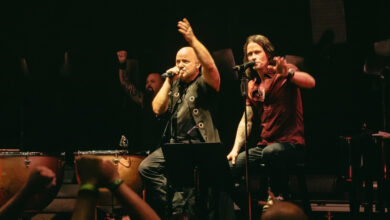
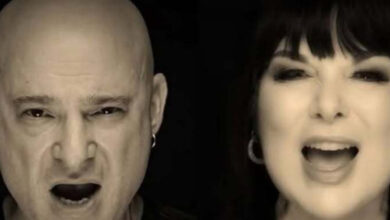
Disturbed’s official music video gives the cover its familiar slow ascent. David Draiman starts with a voice that can be heard clearly against a relatively restrained accompaniment and lets it open as the layers around him increase. Sørensen’s version takes a related idea into a live studio and gives the audience a physical marker for the point when the build starts to take over.
Simon & Garfunkel at Central Park leaves much of the emotional work with the two voices and the familiar guitar figure. There is less distance to travel between the size of the first phrase and the size of the last one, so small changes in the blend are especially clear. It makes a revealing companion to the television performance, where the opening preserves a similar intimacy before the arrangement moves into a much heavier sound.