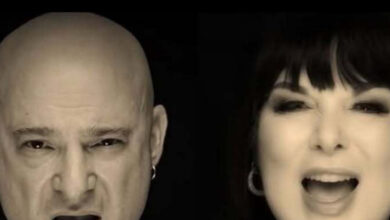
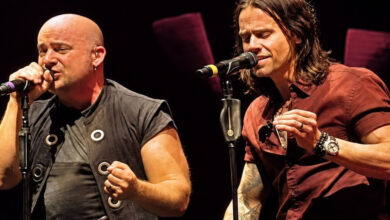
What Nancy Wilson’s Guitar Does for Ann’s ‘Janie’s Got a Gun’ at the Hollywood Bowl
Nancy Wilson’s guitar sets off some of the smallest details in Ann Wilson’s singing on “Janie’s Got a Gun.” At the 2026 Hollywood Bowl tribute to Aerosmith, the line coming from the guitar gives the lead a place to pause. It also gives the words a stronger entrance when Ann comes in again.
The tune is known for the tension Steven Tyler builds into the original. A few recognizable musical cues can establish the mood before anyone has told the whole story. That gives Heart a strong outline to work inside. Moving through the early lines at a measured pace keeps the narrative audible as the backing grows.
Ann Wilson was 76 at the time of the performance. Her return to performing following treatment for cancer made this appearance meaningful to many of the people who had followed her career. The most specific evidence of what she brought to the stage is in the measured changes she makes inside the song, beginning with the amount of weight she gives each line.
Listen to a quiet part of the verse, then to an entrance with the band already moving hard behind her. The voice has room to turn the same kind of phrase in two different ways. The restraint early on helps give the more forceful delivery a definite point of arrival.
The guitar has a similar range of jobs. There are sounds that can occupy part of the space after a word, and there are more strongly marked figures that pull the whole rendition toward the refrain. Nancy can make those parts feel related, which allows the arrangement to grow without leaving the opening behind.
The result gives an Aerosmith song a recognizable Heart dynamic. The listener can follow the story through the voice, or follow the way the guitar threads a different sort of tension under it. Stick with either one for the first few minutes and the same performance will unfold in a slightly different way.
Watch the performance
How the guitar answers a singer mid-story
Ann’s opening delivery gives some phrases the clarity of speech. An instrumental sound can continue underneath as she moves into the gap after a line. Nancy has enough touch to make the guitar occupy that gap without drawing your attention away from the words that have just landed. The next entrance arrives with a little extra tension because of it.
Try following Nancy’s sound through one transition. The voice has the room to shorten a word and hold a different one. The guitar can sustain across the change, which gives the melody somewhere to return. These parallel choices let the human rhythm of the verse sit inside a larger band pulse.
There is a recognizable continuity between that quieter work and the sections when the sound opens up. The earlier notes establish a color the band can return to. When the arrangement reaches a louder point, the playing feels connected to the smaller exchanges that shaped it.
A tribute that leaves room for the story
“Janie’s Got a Gun” turns on a disturbing story, and it matters how the singer proportions the delivery. There is room for the action in the words to register when the track begins on a smaller scale. The refrain then carries the emotional weight of what the verse has already put into motion.
Ann Wilson’s familiar power makes the quiet portions more compelling. The audience knows how big the voice can become. The deliberate tone of the early section gives the performance a point of departure, and the later lines show what can happen when she draws on a larger sound.
The audible partnership is a good reason to return to the clip. You can hear the spaces the sisters leave for each other, and you can hear how they fill them when the music needs more. A song written by another band offers a clear view of the way these two musicians continue to communicate onstage.
A way into the guitar part on a second listen
Start with the end of a verse line and stay with the backing for a little longer than you ordinarily would. A word can finish while much of the middle of the song is still moving under it. Nancy’s contribution to that motion is easier to hear if you resist the urge to follow the voice into the next line immediately.
The original record gives a listener a number of distinctive textures to remember before the vocal does its strongest work. Heart’s version takes advantage of that outline. It can use guitar to make the atmosphere immediately legible and still let specific sounds arrive at a different pace from Aerosmith’s. The connection remains recognizable through the shape of the part.
There’s a distinct payoff to attending to Nancy as a player in a song that many viewers will naturally enter through Ann’s voice. A sustained tone can keep a line of tension going through a place where Ann needs to breathe. A shorter figure can pull the ear to the pulse when the arrangement is about to widen. Those jobs can change within a few bars.
Hearing the separate Hollywood Bowl clip afterward gives the comparison a practical point. Parts of the song will arrive where you expect every time. The exact duration of a gesture or the emphasis of a word can still shift around those settled points. Those are the changes that tell you what a band is doing together at the moment. They give the pair of performances an interest beyond documenting two stops at the same venue.
Two more versions
Aerosmith’s original video brings the storytelling and the atmosphere together through Steven Tyler’s delivery and David Fincher’s imagery. Follow the change from the ominous opening to the refrain. That span is the musical shape Heart takes to the Hollywood Bowl.
The separate Hollywood Bowl performance lets you hear Heart handle the same song on a different night. Compare the verse entrances and the space around the guitar. Details of the phrasing shift in ways the structure of the song has room to accommodate.