Ozzy Osbourne Was A Believer In Christ, Says Son Jack Osbourne
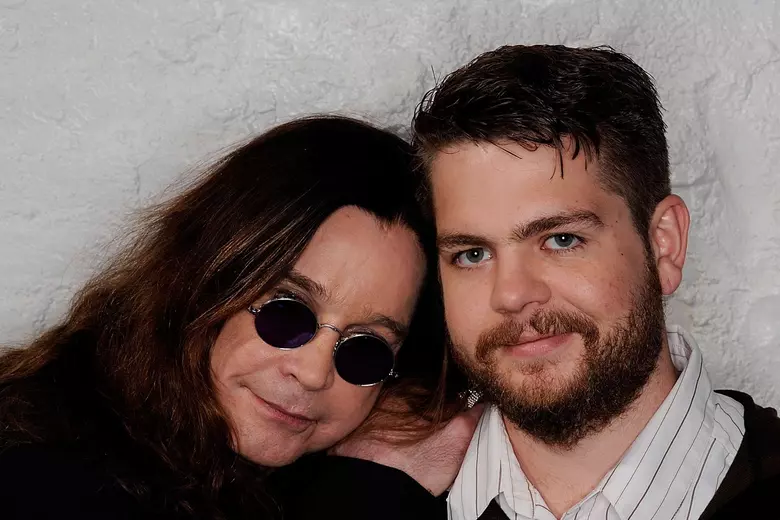
For decades, Ozzy Osbourne has carried one of the most misunderstood reputations in rock history. As the unmistakable voice behind Black Sabbath and one of the pioneers of heavy metal, his public persona became wrapped in dark imagery and controversy. The ominous themes of early metal, combined with theatrical stage performances and media sensationalism, created a powerful myth around him. Yet according to his son Jack Osbourne, the reality inside their home was far removed from the image many people believed.
During a conversation on the Hate To Break It To Ya podcast, Jack Osbourne addressed the long-standing rumors that portrayed his father as someone connected to satanic beliefs. The topic has followed Ozzy throughout much of his career, largely due to the eerie sound and imagery associated with early Black Sabbath music. Jack explained that those assumptions were never consistent with the person he knew growing up.
“My dad was a believer in Christ. He had the Bible. He wore a cross every day of his life.”
The statement offered a striking contrast to the mythology that surrounded Ozzy during the peak years of Black Sabbath’s influence. As heavy metal emerged in the early 1970s, the band’s music introduced darker tones than anything mainstream rock audiences had heard before. Songs like “Black Sabbath” and “War Pigs” fueled debates among critics and religious groups who accused the band of promoting sinister ideas.
Yet according to Jack, the perception that formed around his father was largely the result of misunderstanding and media exaggeration. He explained that the environment inside the Osbourne household never reflected the narrative that had circulated for decades.
“Nothing evil was ever in our household in that capacity.”
Jack said the contrast between Ozzy’s stage persona and his real life often confused people. Onstage, the singer embraced the dramatic identity of the “Prince of Darkness,” a title that became inseparable from his public image. But away from the stage lights and amplifiers, Jack insists the man behind the persona was very different.
“My dad was a believer in Christ. He had the Bible. He wore a cross every day of his life. That was just who he was.”
The mythology around Ozzy began during the rise of Black Sabbath, when the band’s music shocked the rock world with its crushing riffs and ominous atmosphere. At a time when most rock bands were writing about love and rebellion, Sabbath introduced themes of war, morality, and the darker sides of human nature. Critics often misunderstood those themes as endorsements of evil rather than warnings about it.
Many of the band’s early songs actually explored the consequences of darkness rather than celebrating it. Geezer Butler’s lyrics frequently warned about corruption, war, and spiritual struggle, while Tony Iommi’s heavy guitar tone gave those messages a haunting backdrop. Ozzy’s eerie vocal style amplified the mood, creating an atmosphere that became the foundation of heavy metal.
Despite the controversy, Ozzy’s personal life often reflected values that contrasted with his stage image. Throughout much of his career, he was rarely seen without the cross necklace he wore around his neck. Fans noticed it in photographs, interviews, and performances, but it rarely became part of the larger narrative surrounding the singer.
The Osbourne family later revealed a much different side of Ozzy when their reality television series The Osbournes premiered in the early 2000s. The show portrayed him not as a dark rock icon but as a humorous and often bewildered father navigating everyday life with Sharon, Jack, and Kelly. The program introduced millions of viewers to a version of Ozzy that felt far more human than the myth.
Even so, the rumors and stereotypes from earlier decades never completely disappeared. Heavy metal has always thrived on provocative imagery, and Ozzy’s larger-than-life reputation remained a defining part of rock culture. Jack’s recent comments simply bring another dimension of that story into focus.
“My dad was frustrated by that narrative about him. It just wasn’t the reality.”
For many fans, Jack’s remarks serve as a reminder that the legend of Ozzy Osbourne was always more complex than the headlines suggested. The same musician who helped shape heavy metal’s darkest sound also lived a private life shaped by family, personal beliefs, and decades of resilience.
In the end, Ozzy Osbourne’s legacy is still defined by the music that transformed rock history. But behind the thunderous riffs and the shadowy imagery that made him famous, there was also a man whose personal convictions never fit neatly into the myth that surrounded him.