AC/DC’s “Hells Bells” Live in Buenos Aires 23 March 2026
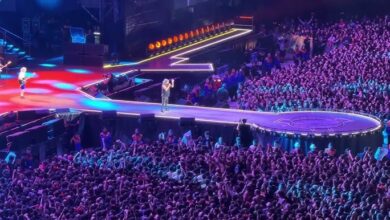
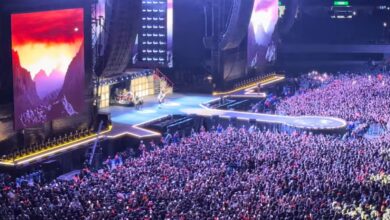
The night of March 23, 2026 marked another explosive chapter for AC/DC as they returned to Buenos Aires, a city that has long treated the band less like visiting musicians and more like cultural icons. The show unfolded at River Plate stadium, a venue deeply tied to the band’s history, and part of their ongoing Power Up Tour. The atmosphere before the band even appeared was already electric, with chants echoing across the stands long before the first note rang out. When the lights dropped, it felt less like the start of a concert and more like the ignition of something that had been building all day.
Within the carefully structured setlist, “Hells Bells” emerged as one of the defining moments of the night. Rather than being rushed into, the song was positioned to maximize its dramatic weight, arriving after the crowd had already been pulled into a frenzy. That placement gave it a different kind of gravity, allowing anticipation to rise before the iconic bell toll shattered the noise. The decision to hold it back slightly in the set created a sense of suspense that paid off instantly, as the entire stadium reacted in unison to those first haunting seconds.
What made this performance feel even more significant was the context surrounding the show itself. There had been uncertainty leading up to the night, adding an unspoken tension that translated directly into the performance. When the band stepped on stage, there was a clear sense of determination, almost as if they were proving something—to themselves as much as to the audience. That underlying emotion added weight to every note, making the performance feel more urgent and more real.
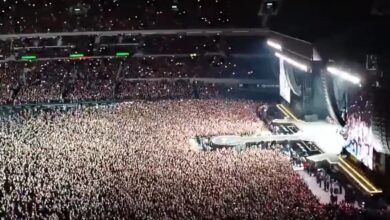
River Plate is not just another stadium—it is a place where moments become history. The sheer scale of the venue amplifies everything, from the sound of the guitars to the reaction of the crowd. AC/DC had already etched their name into this location years earlier, and returning to the same stage created a powerful sense of continuity. The performance of “Hells Bells” felt like a bridge between eras, connecting past triumphs with the present moment in a way that few bands can achieve.
Musically, the band approached the song with a level of control that highlighted their experience. The intro was allowed to breathe, stretching the tension just long enough to make the eventual explosion hit even harder. Angus Young moved across the stage with his trademark intensity, his guitar slicing cleanly through the mix while maintaining that unmistakable tone. Every riff felt deliberate, every movement timed to the pulse of the crowd.
Vocally, Brian Johnson delivered a performance that leaned into the grit of the song. His voice carried a rough, lived-in quality that perfectly matched the darker atmosphere of “Hells Bells.” Rather than aiming for precision, he embraced the raw edge, giving each line a sense of immediacy that made the performance feel alive in a way the studio version never could.
The visual presentation added another layer to the experience. The towering bell structure, illuminated under deep red lighting, became a focal point that anchored the entire performance. Each lighting cue was timed with precision, reinforcing the song’s heavy, ominous tone without overshadowing the music itself. The stage design worked in harmony with the sound, creating a fully immersive environment that pulled the audience deeper into the moment.
Perhaps the most defining element of the performance was the crowd itself. Buenos Aires audiences are known for their intensity, but on this night, that reputation reached another level. Tens of thousands of voices moved as one, shouting lyrics, clapping in perfect rhythm, and responding instantly to every shift in the music. That connection between band and audience created a feedback loop of energy that elevated the performance far beyond what could be achieved on stage alone.
Listening back to the live performance, it becomes clear how the band subtly adjusted the dynamics to fit the scale of the moment. The tempo felt slightly more deliberate, allowing each section of the song to expand and fill the massive space. This approach gave the performance a sense of weight, turning familiar sections into something that felt almost new again.
When compared to the original studio version, the differences become even more striking. The studio track is controlled and precise, built for clarity and balance. The live version, however, thrives on unpredictability—crowd noise, minor variations in timing, and the sheer force of the performance all combine to create something far more visceral. It’s this transformation that keeps the song evolving decades after its release.
Placed alongside other iconic live performances, this rendition stands confidently among them. There’s a lineage of moments in rock history where everything aligns perfectly, and this night in Buenos Aires fits that pattern. It’s not just about technical execution—it’s about capturing something intangible, something that resonates beyond the music itself.
Another aspect that made this performance stand out was its emotional undercurrent. There was a sense that both the band and the audience understood the importance of the moment as it was happening. That awareness created a kind of shared intensity, where every note carried more meaning and every reaction felt amplified.
In the broader scope of the tour, this version of “Hells Bells” will likely be remembered as one of the highlights. It captured everything that makes AC/DC such a powerful live act—precision, energy, and an ability to connect with massive audiences on a deeply personal level. It wasn’t just another stop on the tour; it was a moment that defined it.
Ultimately, what unfolded that night was more than just a performance of a classic song. It was a reminder of why live music continues to hold such power, even in an era dominated by digital experiences. AC/DC didn’t just play “Hells Bells”—they transformed it into something immersive, something unforgettable, and something that will continue to echo long after the final note faded.