Motörhead’s “Killed by Death” Live at Wacken Shows the Legendary Chemistry Between Lemmy and Phil Campbell
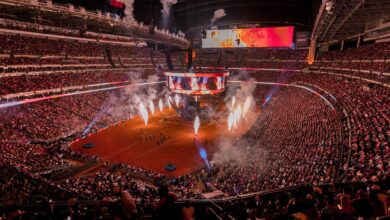
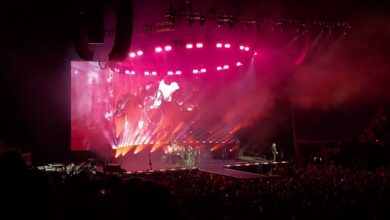
Motörhead’s explosive performance of “Killed by Death” at Wacken Open Air 2009 remains one of the clearest examples of the chemistry between guitarist Phil Campbell and frontman Lemmy Kilmister. As the band stormed onto the massive German festival stage, the atmosphere was electric even before the first riff began. Wacken is known as one of the largest metal festivals in the world, and Motörhead had long been one of its most anticipated performers. When the opening guitar tone cut through the night air, thousands of fans instantly recognized the classic track and erupted into cheers.
Originally released in 1984, “Killed by Death” quickly became one of Motörhead’s most beloved songs and a regular highlight of their live shows. The track was written by Lemmy along with guitarists Phil Campbell and Würzel and drummer Pete Gill, and it has remained a staple of the band’s concerts ever since its debut. Over the decades, the song developed a reputation for igniting crowds with its heavy groove and dark humor, making it a natural centerpiece for festival performances.
At Wacken in 2009, the lineup featured the trio that had carried Motörhead for many years: Lemmy on bass and vocals, Phil Campbell on guitar, and Mikkey Dee on drums. By that point the group had been performing together for more than a decade, creating one of the most stable and powerful lineups in the band’s long history. Their musical connection was obvious from the moment the song began, with Lemmy’s distorted bass rumbling beneath Campbell’s razor-sharp guitar tone while Dee’s relentless drumming drove the tempo forward.
Phil Campbell’s guitar work during the performance demonstrates why he remained Motörhead’s guitarist for more than three decades. His riffs are tight and aggressive, yet they never overshadow Lemmy’s unmistakable bass lines. Instead, the two instruments lock together like gears in a machine, creating the thick, roaring sound that defined the band’s identity. Every time Campbell launches into a quick flourish or bends a note upward, the crowd responds instantly, proving how deeply those riffs are embedded in metal culture.
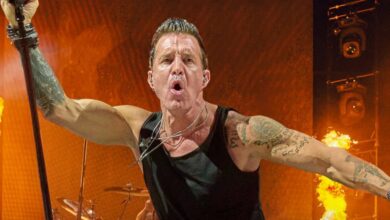
Lemmy’s presence dominates the stage throughout the performance. Standing behind his towering microphone, angled downward toward his face, he delivers the song with the same gritty authority that made him one of rock’s most recognizable voices. Even in a massive open-air festival environment, his vocals cut cleanly through the wall of sound created by the band. The performance captures exactly why Lemmy was so respected in heavy music: there was nothing theatrical or artificial about him—just raw rock and roll power.
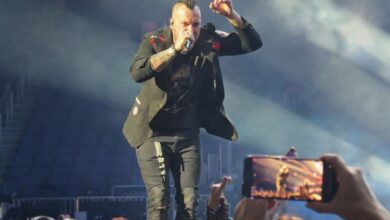
Another striking element of the Wacken performance is the audience itself. Tens of thousands of metal fans packed into the festival grounds sing along to the chorus and react to every riff change. Wacken crowds are known for their intensity, and Motörhead’s reputation ensured that the energy would remain high from the first note to the last. Watching the sea of raised fists and moving heads, it becomes clear that the band’s music connects generations of fans.
By 2009, Motörhead had already spent more than three decades on the road, yet their live shows still carried the same ferocity that made them famous in the late 1970s and early 1980s. The Wacken performance proves that the band never softened their sound to follow trends. Instead, they continued delivering fast, loud, uncompromising heavy metal exactly as their fans expected.
For many viewers, the video has become more than just another concert clip. After Lemmy’s death in 2015 and Phil Campbell’s passing years later, moments like this feel almost historic. Watching the two musicians share the stage again reminds fans why Motörhead’s live performances became legendary.
The raw chemistry between Lemmy and Campbell is especially clear in this song. Lemmy’s bass lines drive the rhythm forward while Campbell’s guitar slices through the mix with sharp precision. The two musicians had played together since Campbell joined the band in 1984, and decades of touring had created a musical partnership that felt effortless.
Today, fans often revisit this performance not only for the music but also for what it represents. The bond between the band members and the audience feels almost tangible. The roaring crowd, the relentless rhythm section, and the signature guitar tone combine into a moment that perfectly captures Motörhead’s spirit.
Seen through that lens, the performance carries an emotional meaning as well. Many fans have described it with a simple sentiment: Phil Campbell didn’t really leave the world of Motörhead’s music—he simply went to join Lemmy again. The stage may be silent now, but the thunder of songs like “Killed by Death” ensures that their legacy continues to echo wherever heavy metal is played.