Bruce Springsteen Performs in Holy Ground Minneapolis: January 30, 2026 Full Show at First Avenue Where Prince Filmed Purple Rain
First Avenue has hosted plenty of Minneapolis “did-that-just-happen?” nights, but this one arrived with a particular kind of electricity: the sense that the room wasn’t just gathering for music, it was gathering for a statement. Billed as a benefit and a show of solidarity, the event carried a clear purpose from the start, and that purpose shaped the mood in the line outside, in the lobby, and in the main room as people squeezed into place. It didn’t feel like a normal Friday where you check your phone for set times and hunt for a good sightline. It felt more like a community meeting that happened to have amps, drums, and a stage that’s seen history.
The premise was straightforward and urgent. The concert was organized as a benefit with proceeds going to the families of Renée Good and Alex Pretti, and it was framed as a public response to an incident that had ignited anger, grief, and debate far beyond the Twin Cities. The name of the event itself leaned into that tone: solidarity, resistance, and defense, not just entertainment. People weren’t there to be passively dazzled; they were there to participate, to bear witness, and to make the room loud enough that it could be felt outside Minneapolis.
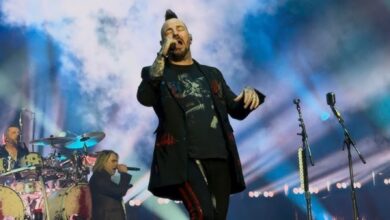
Tom Morello’s presence made that mission feel inevitable. Morello has always treated the guitar like a protest tool as much as a musical instrument, and the benefit framing fit his long-running habit of turning a gig into a rally without losing the rock-and-roll thrill. The lineup was stacked with intent, too: Rise Against on the bill, plus other musicians associated with sharp-edged political songwriting and virtuoso musicianship. Even before anyone played a note, the crowd seemed to understand what kind of night it would be. You could feel it in the way people talked to strangers, in the way phones were raised not just for souvenirs, but for proof that the moment happened.
Then came the twist that turned a meaningful benefit into an instant Minneapolis legend: the “very special guest” reveal. Bruce Springsteen, a name that carries stadium weight, walked into a club-sized room and detonated the atmosphere in a way that only a true icon can. The surprise factor was the kind of shock that makes a story travel at the speed of group chats. First Avenue is famous for feeling intimate even when it’s packed, and putting Springsteen in that intimacy is exactly the kind of booking that makes people say, for years, “You should’ve been there.”
The emotional center of Springsteen’s appearance was the live debut of Streets of Minneapolis, a freshly written protest song tied directly to the event’s reason for existing. The timing mattered: it wasn’t nostalgia; it was immediacy. When a song is brand-new and aimed at the exact thing everyone has come to process, the crowd isn’t evaluating it like a catalog track. They’re using it in real time, measuring their own anger and sadness against its lines, letting the chorus become a shared sentence they can say together.
On paper, “Springsteen plays a new song” sounds simple. In a club, with a cause hanging in the air, it becomes cinematic. People don’t just clap between verses; they react in waves. Some shout approvals as if the stage can hear their agreement. Others go quiet in that way crowds do when they’re trying to absorb something that feels like it’s being written into the record of a place. First Avenue has always been a room where the audience participates, and a protest debut pulls that participation into sharper focus.
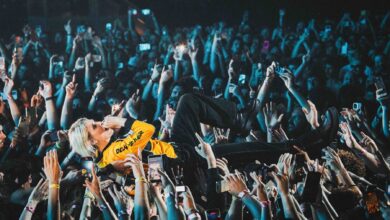
The night also carried the unmistakable feel of an event designed to be documented. Not in the shallow sense of “this will look good on Instagram,” but in the deeper sense of people wanting proof of solidarity and proof of attendance. Clips and posts circulated quickly, underscoring that this wasn’t a private catharsis; it was an outward-facing message. This wasn’t just “Bruce in town.” It was “Bruce in our room,” lending his voice to a specific local pain and letting that pain speak through a song that name-checks the city itself.
Morello’s set brought the kind of friction and fire you’d expect from a player who helped define modern protest-rock guitar. The crowd wasn’t shy about chanting, and that detail matters because chanting changes the social physics of a concert. Singing along is celebratory; chanting is confrontational. It turns rhythm into a demand. It also turns the audience into a single organism, the sort of unified sound that can make even seasoned performers grin because the room is doing half the work.
What made the event especially vivid is the way it blended multiple musical languages into one storyline. You had punk-leaning urgency in the broader lineup, virtuoso musicianship in the mix, and then Springsteen’s particular gift: turning specific American events into songs that feel like they’ve always existed, even when they were written yesterday. That cross-pollination is part of First Avenue’s charm. It’s a room where styles collide because the building itself has a kind of “anything can happen” permission.
Springsteen’s appearance didn’t feel like a detached celebrity drop-in. It felt like someone stepping into the moment with intent. When an artist chooses songs that reinforce the themes of the night, it creates a through-line: not “here’s the new song, thanks, goodnight,” but “here’s the new song inside the larger argument I’ve been making for decades.” In a benefit context, that continuity can make the room feel like it’s part of a longer movement rather than a single reactive moment.
Another reason the night hit so hard is scale. First Avenue isn’t a stadium, but cultural weight isn’t measured in seat counts. Sometimes the smaller rooms reverberate longest because they produce sharper memories: the closeness of the stage, the sense that you could read a performer’s expression on a line that matters, the way you can hear individual voices in the crowd and still feel the collective roar. In that setting, even a simple gesture like letting the audience carry a phrase becomes a political act.
The city itself played a role in the drama through the song’s title and the venue’s history. First Avenue is a room where Minneapolis has repeatedly watched itself in a mirror: its celebrations, its tragedies, its contradictions. When an event positions itself as “defend” and “resist” in that room, it taps into a tradition of musicians using local stages as platforms for bigger conversations. And because the song names Minneapolis directly, it pins the night to a map. It’s not a generic protest anthem floating above geography; it’s a story that insists on where it happened.
The speed at which Streets of Minneapolis traveled online also matters, because it turns a single show into a distributed event. People who weren’t inside First Avenue could still feel like they were hearing the room through their screens. That’s a modern twist on protest music: the debut doesn’t just echo in the venue; it ricochets outward almost immediately, gathering reactions and arguments all at once. And that reaction feeds back into the mythology of the gig itself.
What likely made the night feel special in the way fans mean it is that it offered multiple kinds of payoff at once. There was the cause, which gave the evening meaning beyond the setlist. There was the surprise guest, which gave it the lottery-ticket shock that turns ordinary plans into lifelong bragging rights. And there was the feeling of being present at the birth of something: a new song, premiered in the city it names, in a room that thrives on cultural moments.
In the end, the most striking thing about the First Avenue night is how it fused entertainment with responsibility without dulling either. The guitars still screamed, the choruses still hit, the crowd still got the physical rush that makes live music addictive. But the rush was aimed somewhere. It wasn’t just escape; it was confrontation. That’s the rare trick: a show that leaves you energized and unsettled, buoyed by community and burdened by what brought everyone together.