Aerosmith or Run-DMC? The Rock Hall Finale Made Fans Pick a ‘Walk This Way’ Again
Aerosmith and Run-DMC had barely finished bringing “Walk This Way” back to the Rock & Roll Hall of Fame when the performance revived an argument that’s been around since the ’80s. “The Run DMC/Aerosmith version is better than the OG version of walk this way”, one fan wrote under a Facebook post about the reunion. That opinion is easy to test. The opening at Rock Hall gives you a few bars of the song Aerosmith recorded first, then lets you hear what changes when two more voices take over.
Steven Tyler and Joe Perry wrote the original for Toys in the Attic, the Aerosmith album released in 1975. The riff is the obvious connection between the two records, but the opening percussion is part of the story too. Joey Kramer gives the song a few seconds of drums before the guitar arrives. Put the record on and that groove tells you how the rest of the song is going to move before Tyler has sung a word.
Listen to Tyler’s delivery on the first verse. The lines come fast, with words packed together over the guitar, and then he stretches out the hook. The change comes from the same singer. If that record was your introduction to “Walk This Way”, his voice is as much a part of the song’s rhythmic identity as Perry’s guitar.
Run-DMC’s 1986 recording for Raising Hell gives that job to different people. Rev Run and Darryl “DMC” McDaniels pass the verses between them, while Tyler’s voice returns on the hook. Rick Rubin brought the musicians together for the remake. Keeping the guitar part gave listeners something they could recognize even when the voices, the balance and the feel of the record changed around it.
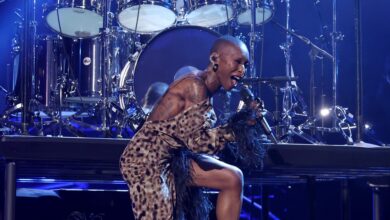
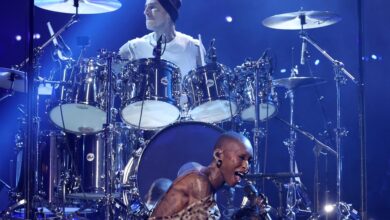
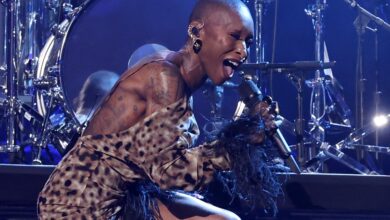
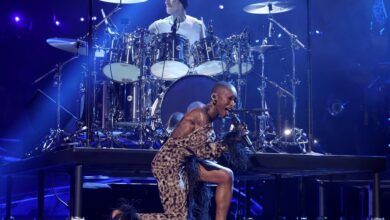
At the Peacock Theater in Los Angeles on November 14, 2026, Perry started playing and Tyler stopped him. Rev Run and DMC entered from opposite sides. It was a short setup for a reunion, and it put both versions of the song within a few seconds of each other. The crowd had heard enough guitar to identify the original before the stage made room for the 1986 arrangement.
Chuck D introduced the finale, and Chad Smith played drums as the two acts closed the ceremony in a tribute to Rubin. Once the song gets moving, listen to the handoff from the rapped verses to Tyler’s chorus. That is where the two recordings make their clearest case for themselves. Perry’s riff stays familiar while the performance gives the voices enough space for each entrance to register.
What the 1975 recording does differently
The original is a band performance with a remarkably nimble lead vocal. In the first verse, Tyler seems to pull the guitar along with him even though the riff keeps cycling through the same figure. When the chorus arrives, it feels like the band and its singer have been heading there together. Pick this version and you’re choosing to hear the song with the tension and release coming mostly from one voice.
Why some fans go straight to the 1986 remake
The remake gets its energy from the space between voices. Run and DMC swap lines in the verses, so the pace can change without the beat having to speed up. When Tyler arrives with the chorus, his voice has a different effect because the record has already established the two MCs. The video gives that exchange a physical form, with a wall dividing the rock and rap performances before the two sides finally share the frame.
The Rock Hall version adds one more thing the records can’t provide: the sound of people realizing they are about to see both groups perform it together. Start with the live clip, then play the first verse and chorus from each studio version in order. The easiest way to decide which one you reach for is to listen to who’s carrying the song when that riff comes around again.