The Quiet Verse That Made Heart’s “Janie’s Got a Gun” So Heavy
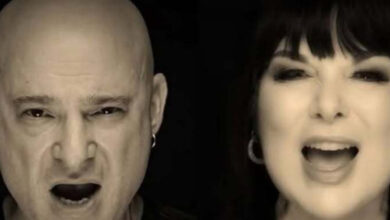
Just before the sound gets big, Heart gives “Janie’s Got a Gun” a little room to make you uncomfortable. Ann Wilson is singing at the Hollywood Bowl, with Nancy close enough in the frame to see how carefully she follows the shape of the lines. The guitar has a recognizable figure to play and the singer has a story to get out. The time Heart lets pass between those two things gives Aerosmith’s song a different weight.
The cover appeared in the California Dream On tribute. Heart had an audience that knew Aerosmith’s version well enough to pick out the song from its opening. A familiar audience can be a challenge for a singer telling somebody else’s story. People are already hearing the way Steven Tyler delivered certain phrases in their heads. Wilson starts making her case before the chorus by giving the low part of her range the room it needs.
The words describe abuse and its aftermath, so the verses carry more than the usual job of getting a rock song to its hook. Listen to how Ann makes the ends of her lines intelligible against the instruments. A stretched vowel can give a phrase force, but too much emphasis could make an already severe story feel overstated. Her delivery keeps the narrative in the foreground as the band begins to put more weight behind her.
Nancy’s guitar makes the pause after a line worth paying attention to. You can hear the difference between the space where Ann needs to be clearly understood and the next moment, when the guitar is free to fill it. This sounds natural because the arrangement makes it happen repeatedly. The Wilson sisters have played together for decades, and some of that history comes through in decisions as ordinary as when to take another beat.
Ann was 76 and had returned to performing after cancer treatment. That history helps explain the interest around these Hollywood Bowl appearances. In the clip itself, the singing communicates through a series of smaller choices. She keeps the opening in a range that permits detail, stays with the story as the band gets louder and saves her largest sound for the passage where the song already calls for it.
Take a pass through the performance with Nancy in mind, especially when Ann leaves a little space between phrases. What initially sounds like a straightforward recreation of a famous rock arrangement starts to feel like a conversation between two players who know when their parts can carry the emotion and when they need to let the other part through. By the time the full band arrives, the quiet work has already been done.
Watch the performance
The song’s central figure gives the players a common point of reference. In the live room, that helps the guitar remain recognizable while the verses take on Ann’s cadence. When you’ve heard a recording for years, you can almost anticipate the exact moment the voice or guitar is about to enter. A small difference in the timing becomes surprisingly audible. The framework gives Heart room to put its own habits on display.
The big chorus earns its place by bringing the characters and story from the verses with it. The additional volume is one part of that. The other is how much information the singer has put into the lines you have just heard. If you return to the opening after hearing the ending, the first verse feels more deliberate. Several of the decisions that seemed like restraint are already shaping the song’s trajectory.
The concert footage rewards a few repeat plays because different instruments become obvious at different points. You can watch Ann through the first verse and track the changes in her mouth and breath. On another pass, Nancy is the one to follow as the space around the voice starts to fill. The group works as a whole, and the camera also preserves enough of those separate jobs for listeners to hear what the Wilsons bring to the cover.
The crowd hears the familiar riff and has something solid to hold on to while Ann finds her own pace. That division is easy to miss because both parts sound so natural. Hear what happens when the guitar leaves a little light around the end of the vocal. The words stay in focus for a second longer, and the room has time to absorb the image they have just made.
The musical relationship between Ann and Nancy shows up in how little they need to advertise it. The band can keep the steady part of the arrangement while the two people at its center adjust the feel from one phrase to the next. The result has space for the discomfort in the story and for an audience that came expecting the power of a Heart performance. Those two qualities can coexist in the same verse.
The audience understands the song through the words as well as the sound. A tribute has to work for listeners who know every phrase and for others who recognize an opening riff and little else. Heart lets both groups follow the build. By the time the familiar title comes around, the performance has refreshed the relationship between the quiet storytelling and the force the song eventually needs.
Two more versions
The November 1 Hollywood Bowl footage gives you another pass through Heart’s phrasing. Compare where the guitar becomes most prominent after a line and how long Ann lets the low phrases hang. In a live cover, details like those can change from night to night while the larger shape stays recognizable. The early lines are the place to hear how consistent the sisters’ sense of space is.
Aerosmith’s original video, in David Fincher’s cut, puts Steven Tyler’s vocal beside a sequence of images that carry the story beyond the stage. The guitar motif and clipped lower phrases help explain what Heart’s arrangement has to preserve for the song to retain its tension. Tyler and Wilson take their own routes through the verses, and the chorus has more impact in either setting once the story has taken hold.