The Moment Heart’s ‘Straight On’ Slipped Into Bowie
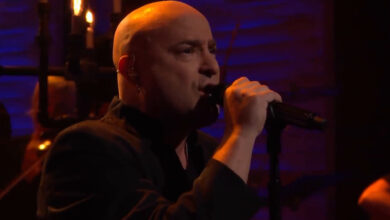
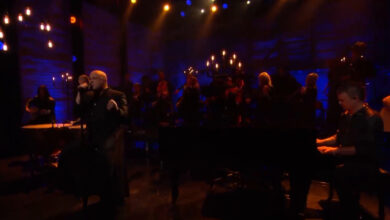
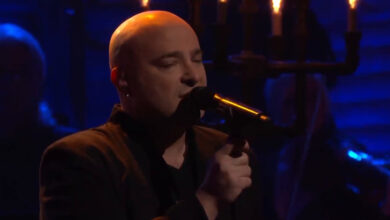
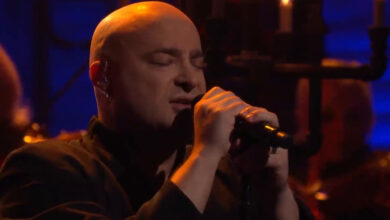
At Crypto.com Arena on March 3, 2025, Heart ran “Straight On” into David Bowie’s “Let’s Dance.” Listen for the moment when the lyric changes while the groove still feels familiar. That easy handoff makes the pairing sound as though it had always been part of the set.
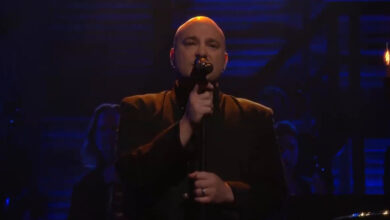
Ann Wilson was 74 and performed seated after fracturing her elbow. She was also returning after cancer treatment. The performance draws your attention to her phrasing almost immediately: she lets the groove establish itself and then places the words where they can push against it. Nancy Wilson’s guitar and harmonies keep the pulse in view as the arrangement changes direction.
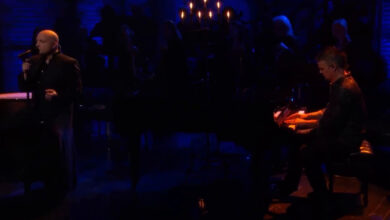
The concert footage is useful precisely because you can see both singers working within the same rhythm. Watch Nancy when the Bowie section comes into focus. Her playing keeps the transition from sounding like a stop and restart. By the time the audience recognizes the new song, the Wilson sisters are already inside it.
Start with the pocket in “Straight On”
“Straight On” already sounds like a band that enjoys keeping a groove going for several minutes. The Heart single appeared on Dog & Butterfly in 1978, and the rhythm gives Ann room to vary how she approaches the words. Play the opening of the Los Angeles clip and find the recurring accents before trying to follow the lyric. The band sets up an expectation that those accents will keep returning. Ann uses that expectation to stretch some sounds and deliver others quickly, while Nancy’s guitar keeps pointing the listener back to the center of the groove.
Watch the parts of the performance when neither of the sisters has a line to finish. Those are good places to see how little empty space there is in the rhythm. The guitar can finish a figure while the rhythm section sets up the next one. Ann can then let a phrase arrive with a different emphasis without making the band sound as though it is waiting for her. That sense of several musicians sharing a steady pulse prepares the audience for the change to Bowie, even if they have no idea which song will come next.
How Bowie’s song enters the arrangement
David Bowie’s 1983 “Let’s Dance” comes from a different record-making world. The studio track is associated with the rhythmic precision of producer Nile Rodgers, with the blues edge of Stevie Ray Vaughan’s guitar providing a different color inside it. You can hear why guitar players like taking that song apart. Rhythm, short instrumental answers and a highly recognizable sung phrase all get their own room. A live band can recall the Bowie record with a few well-placed cues, and those cues give Heart a way to introduce the song without having to reproduce its whole production.
Watch the performance
Heart’s Straight On / Let’s Dance performance
The easiest clue in the concert clip is where you begin recognizing a new lyric before your ear has decided the rhythm has changed. Try focusing on Nancy at that point. The guitar leaves enough of the previous pattern in your ear that the new vocal line feels like it belongs to what the band has been playing. Then go back and listen to the bass and drums. Those parts are a good way to figure out how the musicians hold the transition together if your attention goes straight to the singers the first time.
Ann makes the words work from a chair
The context of Wilson’s return was visible onstage. A fractured elbow explains why she was seated, and she was also coming back after cancer treatment. Other performers might try to draw the eye away from that change in staging. Here the seated position gives the footage a clear musical focus. You can watch Wilson take a breath, look toward the other musicians and set a line against the beat. If you know the old record, it is interesting to hear which words she still gives extra time and which ones she lets ride the rhythm.
The timing is especially apparent where the vocal gets conversational. Listen to how Wilson sets up a stronger note by making the words before it feel closer to speech. The sound carries across the room, and the change in weight can be effective over an accompaniment that has kept moving the whole time. You can hear an experienced front person working with the momentum the band is supplying. Her sister’s guitar and vocal support make it easier to hear exactly where she chooses to lean into a phrase.
A Heart song that can carry a detour
Medleys work best when each song gets enough time to establish its character. Here the audience has already heard the band spend time inside “Straight On” by the time the Bowie material appears. That early stretch is part of the pleasure. Guitar, bass and drums have established a kind of group conversation, and the incoming melody changes the subject while the musicians are all still paying attention to one another. Listen for the part that makes you recognize Bowie earliest. Depending on what you follow, it may be a vocal cue or a change of emphasis in the backing.
That emphasis on rhythm makes the related clips worth a look. “Barracuda” puts Nancy’s guitar at the front immediately and gives Ann a much more jagged figure to sing against. The Royal Albert Hall “Alone” takes the opposite route, beginning with very little rhythmic pressure and waiting until the chorus to broaden the sound. In all three situations, the sisters get a lot out of hearing where the other one has placed a phrase. Watch a few transitions from each clip and you can see how often that exchange guides the performance.
The moment to replay
Back the Los Angeles clip up a few bars from the first obvious Bowie line and listen without watching. Keep time through the handoff and see where your ear starts to anticipate the new song. Then play it again with the picture and follow Nancy’s hands and Ann’s entrance. The two passes can give you a different answer about where the change really begins. It is an unusually easy concert transition to hear and an equally good one to study if you like figuring out what a band did to make it feel that easy.
Related videos
Heart’s Barracuda at Hollywood Bowl
Heart’s orchestral Alone