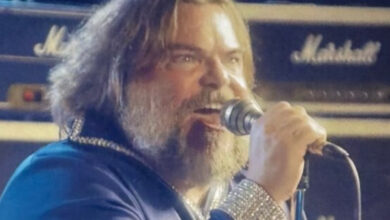
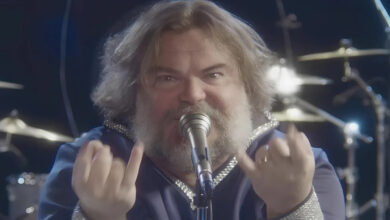
Why One “Mr. Crowley” Cover Made Fans Ask for a Whole Ozzy Tribute Album
One of the more ambitious requests under Jack Black’s version of “Mr. Crowley” came from a listener who had just been given a single track. “We need an entire Ozzy tribute album by Jack Black and these brilliant young musicians!” Internet enthusiasm can turn one good afternoon into an imaginary tour. In this case, the thought experiment is worth entertaining because of what the track tells you about the people who made it. A second song would give several different players a chance to lead.
Start with the fact that the proposal names the band. Black is the obvious draw for a viewer who recognizes his face and voice, yet the commenter asks for the young musicians to come with him. That is an interesting response to an Ozzy cover. The performance has evidently left the listener interested in a combination of people. A tribute album built on that idea would have to keep the instrumental relationships clear enough for the musicians to remain recognizable across more than one arrangement.
Hugo Weiss has one of the easiest contributions to hear on its own. The keyboard starts the piece and establishes a mood before the rest of the players have entered. That opening changes the proportions of the track by giving its more atmospheric side a few seconds of undivided attention. A listener imagining more from the band can start there. A different song with room for keys would give Weiss another chance to set terms for a performance instead of adding color after the main parts are in place.
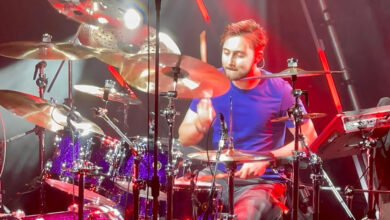
Yoyoka Soma’s drums provide a reason to keep listening after the arrangement has grown heavier. Her playing links parts of the song that invite very different kinds of attention. The verse has the voice in front of it. At other points the lead guitar is pulling the ear away. She keeps the tune legible through those changes. Revel Ian’s bass helps give the drums and guitar a shared foundation, and the effect is experienced most clearly when you stop watching the singer for a moment.
There is a straightforward appeal in hearing what Roman Morello would bring to another song as well. On “Mr. Crowley” the guitar carries the memory of Randy Rhoads, and there are passages in which playing convincingly means giving a familiar melody the attention it deserves. Morello responds with enough confidence for a listener to consider how he might find his way through an entirely different part. That is what often makes people imagine a longer project. A single performance gives them characters they want to hear again.
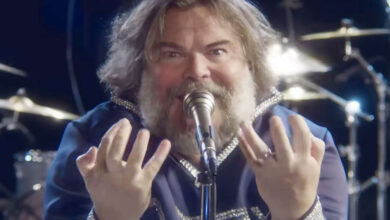
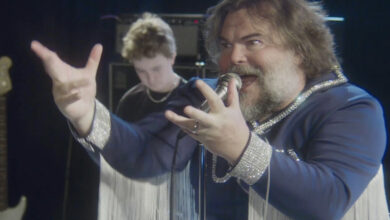
The official tribute had a very specific setting when it premiered at Back to the Beginning in 2025. Black and the group were saluting Ozzy at an event devoted to his work and Black Sabbath. The recognizable clothing and the visual reference to Ozzy and Randy give this version a clear reason to exist as its own five-minute film. Inside that reason there is still room for a group whose chemistry somebody might like to follow beyond this one song.
Watch the performance
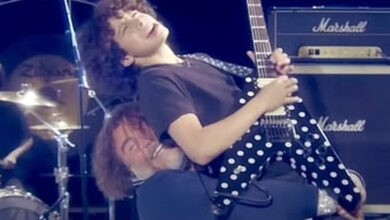
The birthday performance, filmed for Mary Morello’s 100th in 2023 and shared by Yoyoka, makes the point from another direction. Some of the players were already having fun with “Mr. Crowley” together before the official tribute. Black moves energetically beside the mic while the drums and guitar carry on around him. The second clip is a useful record of the group’s interaction in a room where everyone could hear the decisions being made beside them.
An album-sized question is ultimately a question about variety. One arrangement asks the players to preserve a particular sequence of ideas, from an atmospheric start to a prominent lead guitar. A whole set of songs would ask the band to put different instruments into the foreground as it went. The lift in the official video works so well because the song already gives Morello a moment to seize. Another arrangement might find an equally distinctive role for the drums, the bass or the voice.
Each of the two clips also makes a case for a different kind of recording. The birthday performance lets you feel the work of a band through the movement of a room full of people. The official clip gives them a controlled frame with enough focus for a listener to pick out a player who had escaped their attention on the first visit. An imagined album can take advantage of both impressions. It can value the spontaneous feel of musicians playing together and still make the smaller sounds easy to hear.
There is something generous in the fact that a listener responded to an Ozzy tribute by wanting more attention for the artists who had made it. The original player whose work sent them there remains at the center of the idea. So do people whose names an audience might have learned from this version of the song. That combination makes the request more interesting than a reflexive endorsement of a famous singer. It tells you the arrangement gave the listener several points of attachment.
For now, the two recordings make a good double feature. They offer a chance to hear what happens when the same musical idea has to work at a family event and in a tribute film. Follow the performers who are already present in the opening shot, then notice whose playing you remember at the end. The answer can change every time. That is a fairly strong explanation for why someone closed a five-minute video thinking there ought to be more.
If you were building that record as a listener, the first decision would be what kind of song should follow this one. A brisk number could bring the drums and bass into the foreground. A quieter arrangement could let Black sing with fewer instruments around him. Either would give the audience a fair chance to learn something new about the musicians whose work prompted the request in the first place.
The order matters because the appeal of an album grows over time. You learn how a particular group changes its weight from song to song. Imagining those shifts is part of the fun of the request.
Two more versions
Start an imaginary tribute album with a look at the source. In the 1981 performance, Randy Rhoads and Ozzy share a track with a substantial opening and a guitar part people can follow like a second melody. A band hoping to sustain the appeal across an album would have to make that much room for the other players again.
Ozzy’s own “Mr. Crowley” at Villa Park is a reminder of how much character one song can carry from one lineup and setting to another. The opening still sets the scale, and the vocal still tells the listener where to put their attention. That flexibility helps explain why this particular cover prompted people to imagine more.