Prince Turned A Super Bowl Storm Into One Of The Greatest Halftime Performances Ever
Super Bowl XLI may have seen the Colts defeat the Bears, but it was Prince’s triumphant halftime performance in the middle of a storm that truly went down in history.
Despite all the spectacle and prestige surrounding the Super Bowl halftime show today, it wasn’t always the polished, globally celebrated event it has become. In earlier years, the performances often felt inconsistent, lacking the cohesive identity that modern audiences now expect from one of the biggest stages in entertainment.
Looking back, some halftime shows leaned heavily on themed productions that didn’t always land as intended, blending music, costumes, and choreography into moments that now feel more awkward than iconic. These early attempts highlight just how much the halftime show had yet to evolve into the cultural centerpiece it would later become.
By the early 2000s, everything had shifted. The biggest names in music began taking the stage, delivering tightly produced performances designed for a global audience. These shows became larger, more refined, and more carefully constructed, combining music, visuals, and choreography into a seamless spectacle that reached millions around the world.
Some performances stood out for their energy and execution, while others failed to leave a lasting impression. But only one managed to deliver a flawless experience from beginning to end, capturing both the scale of the event and the raw essence of live performance—Prince’s unforgettable appearance in 2007.
Prince was an artist defined by versatility and effortless brilliance. As a performer, he could command attention without appearing to chase it, blending musicianship, charisma, and instinct into something uniquely his own. On that stage, he didn’t just perform—he embodied the moment, moving through it with a calm confidence that made everything feel natural and unforced.
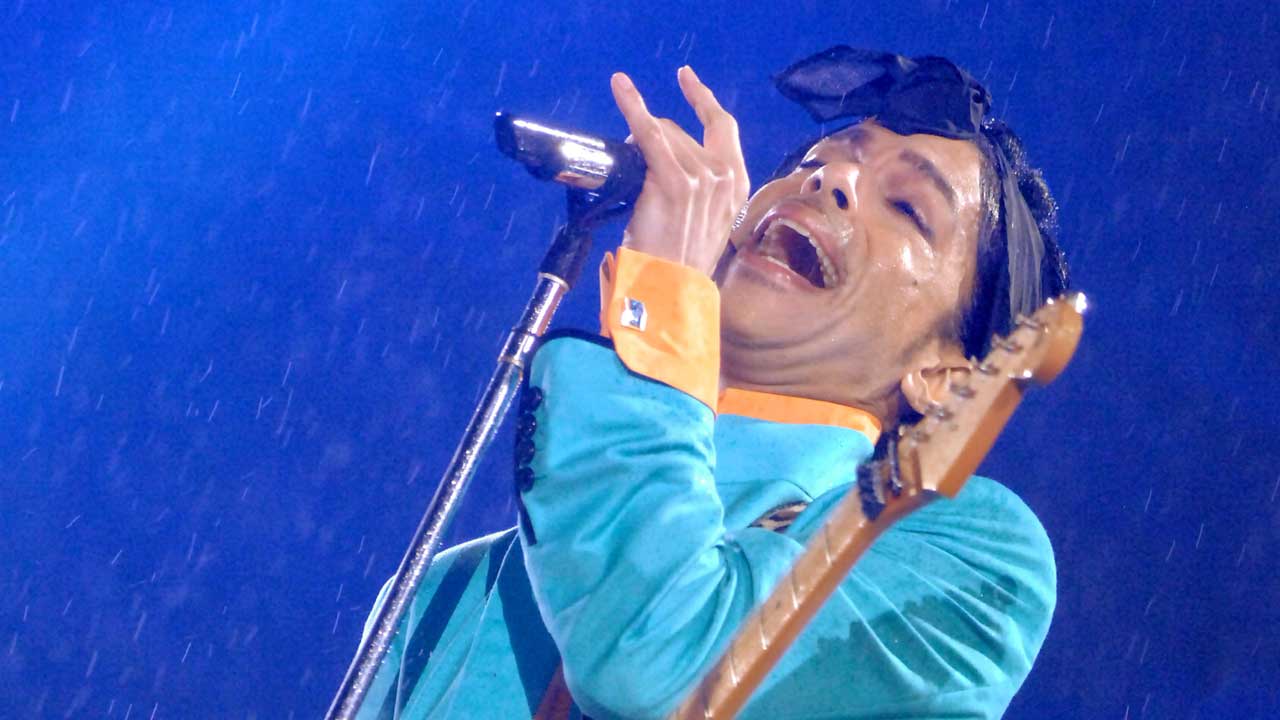
What made the performance even more extraordinary was the weather. As the show approached, heavy rain began to fall, turning the stage into a slick and unpredictable surface. It wasn’t just inconvenient—it was potentially dangerous, raising concerns about safety and execution at every level of the production.
Prince, however, didn’t hesitate. Instead of seeing the storm as a problem, he embraced it, turning the challenge into an opportunity. Where others might have adjusted or scaled back, he leaned into the conditions, allowing the rain to become part of the performance itself.
“The morning of the game I opened the curtains in my hotel room and I was like ‘oh my god!’,” production designer Bruce Rodgers recalled. “It was like a scene from Moby Dick. The winds were bending the palm trees, and the rain just wouldn’t let up.”
As the situation intensified, concerns grew behind the scenes. The production team understood the risks, especially with live instruments, a slippery stage, and performers navigating every movement in challenging conditions.
“We’re in this truck sitting behind Don Mischer, and I remember Don said, ‘Put me on the phone with Prince.’ Don says, ‘now, I want you know it’s raining.'”
Prince’s response became legendary.
“Yes, it’s raining. Can you make it rain harder?”
“I was just panicked,” Mischer later admitted. “Prince was using multiple electric guitars, the stage was incredibly slick, and everything about the situation felt unpredictable.”
What followed, however, was nothing short of extraordinary. Instead of sticking strictly to his own catalog, Prince crafted a set that blended his greatest hits with carefully chosen covers, each one fitting the atmosphere of the moment rather than simply serving familiarity.
Alongside classics like Let’s Go Crazy, 1999, and Baby I’m A Star, he delivered powerful interpretations of songs that connected with the energy of the night, transforming the performance into something dynamic and unpredictable.
Everything built toward a final moment that would define the performance forever. As the rain poured down and the wind intensified, Prince launched into Purple Rain, turning the storm into part of the spectacle. The conditions didn’t weaken the performance—they elevated it, adding a visual and emotional intensity that no stage design could replicate.
The result was a performance that felt almost unreal in its execution. The combination of music, weather, and atmosphere created a moment that transcended expectations, leaving a lasting impression on everyone who witnessed it.
“It was one of those times where things just worked magically,” Mischer reflected. “And there’s nothing you can do but just say thank you.”