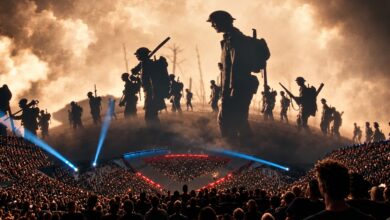
Rush’s June 13, 2026 – Fans Call It One of the Best Concerts They Have Ever Attended
On June 13, 2026, Rush brought their historic four-night residency at the Kia Forum in Los Angeles to a close with a performance that felt less like the end of a concert run and more like the conclusion of a major chapter in the band’s story. After spending eleven years away from the stage, Geddy Lee and Alex Lifeson had already proven throughout the week that Rush could still command an arena. Night Four, however, carried a different energy. It was the final opportunity for thousands of fans to witness the band’s return before the Fifty Something Tour moved on to the next city.
From the moment the house lights dimmed, anticipation filled every corner of the Forum. Fans who had followed the residency closely knew that Rush had been rotating material throughout the week, creating a sense of unpredictability rarely seen in arena rock tours. The possibility of hearing a deep cut or a rarely performed favorite added excitement before a single note had been played.
The emotional weight of the evening was impossible to ignore. The residency marked the band’s first extended run since returning after more than a decade away from touring, and every appearance throughout the week had served as a celebration of Rush’s legacy while honoring the memory of Neil Peart. Night Four felt like the culmination of that tribute.
One of the defining stories of the residency remained the performance of Anika Nilles. Stepping into a role many believed impossible to fill, she spent four nights demonstrating not only technical brilliance but also an understanding of the emotional responsibility attached to Rush’s music. By the final evening, any lingering doubts had completely disappeared.
Throughout the show, Nilles approached the complex arrangements with confidence and precision. Rather than simply recreating every famous Neil Peart part note for note, she balanced respect for the originals with her own personality, allowing the songs to breathe while remaining unmistakably Rush.
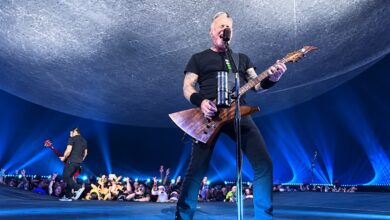
Geddy Lee appeared energized from start to finish. His vocal performance remained remarkably strong across the lengthy set, while his bass playing continued to drive the music forward with the same authority that helped define Rush’s sound for decades. Throughout the night, he frequently interacted with the audience, clearly enjoying every moment of the band’s return.
Alex Lifeson was equally impressive. Fans had spent years believing they might never see him tour again, making his presence on stage feel especially meaningful. His guitar work combined power, melody, and atmosphere, reminding everyone why he remains one of progressive rock’s most respected musicians.
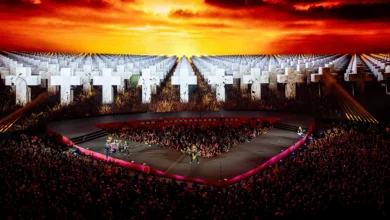
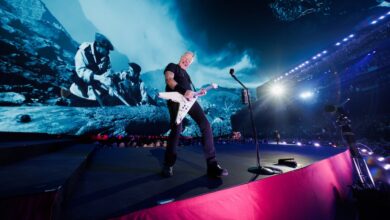
The visual production added another layer to the evening. Massive screens, tribute segments, archival footage, and carefully timed graphics helped transform the performance into a celebration of Rush’s entire history. The presentation connected different eras of the band while keeping Neil Peart’s presence close throughout the night.
One of the most striking aspects of the residency was the band’s willingness to change portions of the setlist. Rather than delivering the exact same show each night, Rush embraced variety, rewarding fans who attended multiple performances and creating ongoing discussion among the fan community.
The crowd responded accordingly. Every song was greeted with enthusiasm, whether it was a major radio favorite or a deeper selection from the band’s extensive catalog. The audience understood that these performances represented a rare opportunity to see Rush exploring different corners of their history.
Several moments during the concert felt particularly emotional. Whenever Neil Peart tributes appeared on the screens, the atmosphere inside the arena shifted. Fans cheered, reflected, and celebrated the drummer whose influence remains inseparable from the band’s identity.
As the evening progressed, the chemistry between the musicians became increasingly apparent. What may have begun as a reunion driven by nostalgia now looked like a genuine working band enjoying the challenge of performing together again. The confidence visible on stage suggested that Rush’s return was about much more than revisiting the past.
The final section of the show delivered exactly the kind of arena-sized excitement fans had hoped for when the tour was announced. Classic songs generated massive singalongs, while instrumental passages showcased the technical excellence that has always separated Rush from nearly every other rock band.
When the last notes echoed through the Forum, the audience responded with a standing ovation that seemed to continue indefinitely. It was not merely appreciation for one concert but recognition of everything the band had accomplished throughout the residency.
By the end of Night Four, Rush had accomplished something remarkable. They had returned after an eleven-year absence, introduced a new chapter with Anika Nilles behind the drums, honored Neil Peart with dignity, and reminded the world why their music continues to resonate across generations. The final show at the Kia Forum was more than a concert—it was a celebration of endurance, legacy, and the enduring power of progressive rock.