Three Days Grace Ignite Nationwide Arena With A Ferocious “Riot” Performance In Columbus, Ohio On March 8, 2026
Three Days Grace did not treat Columbus like a routine stop on a long arena run. On March 8, 2026, the band hit Nationwide Arena with the sharpened urgency of a group that knows exactly where it stands in its own history: older, heavier, more reflective, and somehow even more combustible than before. The show was part of the Alienation Tour, a run that has reignited interest in the band thanks to the unique energy of the current lineup. This was not simply another hard-rock tour stop. It felt like a moment where a band with nearly two decades of arena experience returned to one of its most explosive songs and delivered it with renewed purpose. Fans packed into the venue expecting a powerful night, but what they experienced was something closer to a statement about endurance, evolution, and the lasting power of modern rock anthems that refuse to fade with time.
One of the most intriguing dynamics in the modern version of Three Days Grace is the dual-vocal approach that now defines the band. With Adam Gontier returning to the lineup while Matt Walst continues as a frontman, the group now carries two vocal identities that complement each other onstage. Instead of treating this as a rivalry or replacement situation, the band has embraced it as a strength. Songs can now shift in tone depending on which voice leads or how the two interact. When a track like “Riot” appears late in a concert, that shared vocal energy amplifies the aggression of the song in a way that feels larger than the original recording. It turns the performance into something more theatrical and more intense, giving longtime fans a new perspective on a song that has already been shouted in arenas for nearly twenty years.
The structure of the Columbus set played a huge role in why the performance of “Riot” stood out. Rather than throwing their biggest songs at the audience immediately, Three Days Grace carefully built the evening through a wide range of material. The band opened with powerful newer material and early fan favorites, gradually expanding the emotional scope of the show. Heavy songs were balanced with melodic ones, and the pacing allowed the audience to move through different emotional states rather than staying locked in nonstop aggression. By the time the show reached its later stretch, the crowd had already been pulled through nostalgia, intensity, and reflection. That gradual climb made the arrival of “Riot” feel like the moment when everything finally erupted at once.
That eruption is exactly what the song was designed to create. Even on the original album version, “Riot” was built as a pure release of energy, a fast and aggressive anthem that invites the crowd to unleash every bit of frustration they carry. In Columbus, however, the meaning of the song felt deeper than its early-2000s origins. The band members performing it today have experienced lineup changes, industry shifts, personal struggles, and the passage of time that transforms any long career. When they perform the song now, the aggression carries more weight because it is backed by experience. The anger feels sharpened rather than reckless, and the performance communicates resilience just as much as rebellion.
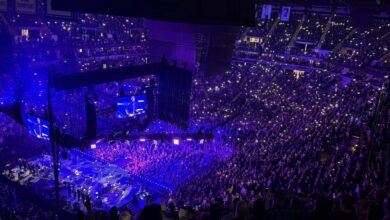
The scale of the venue added another dimension to the experience. Nationwide Arena provided the type of setting where a song like “Riot” can transform from a simple track into a full-scale collective event. In a smaller club the song feels confrontational, almost like a direct challenge to the listener. In an arena packed with thousands of fans, it becomes something communal. The opening chords ripple through the building like a signal, and the reaction spreads outward as the entire crowd responds together. That moment of shared intensity is exactly what makes arena rock powerful. When everyone in the room knows the words and screams them at the same time, the music becomes more than a performance. It becomes a shared emotional release.
Another reason the Columbus performance felt special was the balance between heavy and emotional moments throughout the night. The set included acoustic sections and reflective songs that allowed the audience to catch its breath between waves of intensity. These quieter moments gave the show an emotional arc rather than a constant wall of sound. That contrast matters because it makes the aggressive songs hit even harder. When “Riot” finally arrived, it felt like the culmination of the entire evening’s tension. The crowd had been taken through multiple moods, and the song provided the perfect outlet for everything that had built up during the previous hour and a half.
The endurance of “Riot” itself is another reason the Columbus version felt important. Many rock songs from the mid-2000s era have faded from setlists as trends shifted and audiences moved on. This track has done the opposite. It still triggers an instant reaction because its structure is so direct and effective. The title itself is practically a command, and the rhythm drives forward with relentless force. That simplicity is exactly what allows the song to survive generation changes among listeners. New fans discover it through streaming or live performances, while older fans remember the era when the song first dominated rock radio. In a live environment, both groups respond with the same intensity.
Performances like the one in Columbus also show how Three Days Grace has matured as a live act. Early in their career, the band relied primarily on raw aggression and youthful urgency. Today their concerts feel more carefully shaped. The pacing, lighting, and setlist design all work together to create a larger experience. The musicians onstage are veterans who understand how to control the rise and fall of energy across a full arena show. When a song like “Riot” appears late in the set, it feels less like a random highlight and more like a strategic climax designed to send the audience into its loudest reaction of the night.
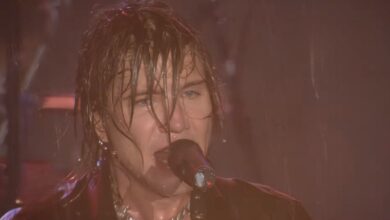
The fan-shot video from Columbus captures the atmosphere of that night in a way polished recordings rarely can. The sound may be rougher than a professional mix, but that roughness reveals the real environment of the arena. The crowd noise surges through the recording, sometimes nearly overwhelming the band itself. That balance between music and audience reaction shows how deeply the song connects with listeners. Instead of simply watching the band perform, the crowd becomes an active participant in the moment. The energy spreads outward from the stage and returns as a massive wave of voices echoing every line.
Returning to the studio version of the song highlights how efficiently it was originally constructed. The recording is compact and tightly produced, focusing entirely on the driving rhythm and explosive chorus that made it famous. Hearing the original track after watching a massive arena performance reveals how much the song has grown through years of touring. What started as a sharp burst of studio aggression has expanded into a full-scale concert weapon. The structure remains the same, but the meaning changes when thousands of fans scream the lyrics together in a live setting.
The Columbus performance also fits into a larger pattern seen across the band’s current tour. Three Days Grace has been mixing songs from multiple eras of their career rather than focusing only on one album cycle. This approach allows longtime fans to revisit classic material while also giving newer songs space to stand beside them. When “Riot” appears in that context, it feels like a bridge connecting the band’s early success with its current identity. The crowd reaction proves that the older songs still hold enormous emotional power, especially when placed alongside more recent material.
Watching earlier live versions of the song provides an interesting comparison. In those older performances the band often played with a frantic urgency that reflected their youth and the explosive popularity they were experiencing at the time. The modern version feels slightly different. The aggression remains, but it is guided by years of experience and a deeper understanding of how to shape a live performance. Instead of simply racing through the song, the band now emphasizes the moments where the crowd can respond. The result is a performance that feels both heavier and more controlled.
Comparing “Riot” with other major songs from the band’s catalog highlights another important aspect of their identity. Tracks like “Animal I Have Become” explore inner struggle and emotional conflict, while “Riot” represents an outward explosion of frustration. That contrast is one of the reasons the band’s concerts remain engaging after so many years. The audience experiences both introspective moments and pure adrenaline. By placing these different emotional tones within the same set, the band creates a concert that feels dynamic rather than repetitive.
The Alienation Tour itself has played a significant role in bringing renewed attention to the band’s legacy. For many fans, the return of Adam Gontier alongside the existing lineup created a sense that the band had entered a new era rather than simply revisiting the past. The Columbus performance captured that feeling perfectly. The group sounded energized, confident, and fully aware of the significance of this moment in their career. Instead of leaning entirely on nostalgia, they performed with the intensity of musicians determined to prove that their best days onstage may still lie ahead.
The placement of “Riot” near the end of the set gave the song enormous impact. After an evening of emotional highs and heavy riffs, the track arrived as the final burst of pure chaos before the show’s closing moments. The timing allowed the crowd to release every remaining ounce of energy they had left. By the time the final chorus echoed through the arena, the entire room felt united in the same surge of adrenaline. It was the kind of moment that fans remember long after the concert ends.
When the lights finally faded and the night came to a close, the Columbus show stood as a reminder of why Three Days Grace continues to fill arenas nearly two decades into their career. Songs like “Riot” survive because they tap into emotions that never disappear: frustration, defiance, and the need to release everything through music. On March 8, 2026, the band delivered that release with overwhelming force. The performance did not feel like a nostalgic replay of an old hit. It felt like a living anthem still capable of shaking an arena and reminding thousands of fans why they fell in love with the band in the first place.