Metallica’s Record-Breaking Bologna Night Became Another Thunderous Chapter Of The 2026 M72 Tour
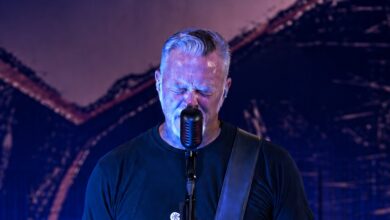
Metallica broke yet another attendance record in Bologna on Wednesday night, turning their June 3, 2026 show at Stadio Renato Dall’Ara into one more historic moment on the band’s massive M72 World Tour. By this point in the tour, the metal giants were not simply playing stadiums. They were reshaping them, filling them, and leaving behind the kind of nights that fans would talk about long after the final riff disappeared into the Italian air.
The Bologna concert carried extra weight because it was Metallica’s only Italian stop on this stretch of the M72 World Tour. That alone gave the night a national-event feeling, with fans traveling from across Italy and beyond to witness James Hetfield, Lars Ulrich, Kirk Hammett, and Robert Trujillo bring one of heavy metal’s biggest live productions into one of the country’s most passionate music cities. The result was not just another show. It felt like a gathering.
From the moment the opening atmosphere began building, the crowd inside Stadio Renato Dall’Ara seemed ready for something enormous. The familiar pre-show ritual gave way to the kind of anticipation that only Metallica can create: tens of thousands waiting for the first strike, the first roar, the first moment when the band turns a football stadium into a metal battleground. Then “Creeping Death” arrived, and Bologna erupted.
Opening with “Creeping Death” was a statement of intent. It gave the show an immediate sense of violence, speed, and old-school authority. Hetfield’s voice cut through the stadium with the same commanding force that has defined Metallica for decades, while the crowd threw the chant back like a war cry. It was not a slow entrance. It was Metallica choosing to begin the night by shaking the walls.
“For Whom the Bell Tolls” followed with the kind of heavy, marching power that turns a stadium crowd into one massive body. Robert Trujillo’s bass presence pushed the song forward, and the audience responded as if the song had been written for that exact scale. The riff did not just sound loud. It sounded physical. In a city built on deep history, the bell felt even heavier as it rolled across the stadium.
The setlist gave Bologna a strong mix of classic Metallica force and later-era muscle. “Cyanide” brought the Death Magnetic energy into the night, while “King Nothing” gave the crowd one of the band’s most swaggering 1990s moments. Then “72 Seasons” reminded everyone that Metallica are not treating the M72 Tour like a museum piece. They are still carrying new material onto the biggest stages in the world and making it stand beside the old monsters.
One of the emotional turning points came with “The Unforgiven.” After the aggression of the early set, the song gave the stadium a darker, more reflective weight. Hetfield’s delivery carried the pain and restraint that have always made the track one of Metallica’s most human songs. In a huge venue, it still felt personal, as if the entire crowd had suddenly been pulled into the same confession.
“Fuel” brought the fire back immediately. The shift from the haunted mood of “The Unforgiven” into that explosive burst of speed showed exactly why Metallica remain such a dominant live band. They know how to control tension. They can pull a crowd into silence, then send it straight back into chaos. In Bologna, that change hit with full force, turning the stadium into a storm of movement, raised arms, and shouted lyrics.
The Kirk and Rob doodle gave the Italian crowd a moment of local flavor and loose stage personality. These sections have become part of the M72 experience, giving Hammett and Trujillo space to connect with the city in front of them. In Bologna, that connection mattered. It reminded the crowd that even inside a massive touring machine, Metallica still understand the importance of making each stop feel specific.
“The Day That Never Comes” added another layer of drama to the night. The song’s slow build and emotional tension worked beautifully in the open-air stadium setting, rising from quiet reflection into full-band release. It is one of Metallica’s strongest modern-era epics, and in Bologna, it gave the crowd a chance to experience the band’s ability to stretch pain, melody, and heaviness into one long emotional climb.
“Wherever I May Roam” sounded almost symbolic in a city like Bologna. Metallica have spent decades crossing continents, filling stadiums, and building a global community around heavy music. That song has always carried the feeling of movement, distance, and survival on the road. On this night, it felt like a perfect reminder that the M72 World Tour is not just a series of concerts. It is another chapter in one of rock’s longest-running global journeys.
Then came “Nothing Else Matters,” and the mood changed again. Tens of thousands of voices joined together in one of the most recognizable ballads in rock history, turning the stadium into something softer without losing its power. Metallica have played the song countless times, but when a crowd that large sings it back, it becomes something different every time. In Bologna, it became one of the night’s most emotional communal moments.
“Sad but True” brought the heaviness back with crushing force. The song’s slow, massive groove gave the crowd something to physically lock into, and Hetfield’s command of the stage made it feel as dangerous as ever. Metallica’s greatest strength in these stadium shows is not just speed or volume. It is weight. “Sad but True” proved that again, landing like concrete in the middle of the set.
“One” gave Bologna one of the most dramatic moments of the entire night. Few Metallica songs carry such a powerful combination of storytelling, tension, and release. As the performance moved from its haunting opening into the machine-gun intensity of the final section, the stadium seemed to tighten around the band. It was one of those moments where Metallica’s history, musicianship, and emotional brutality all came together.
“Seek & Destroy” turned the stadium back into a celebration. After the darkness of “One,” the old Kill ’Em All anthem gave fans a chance to shout, move, and throw themselves into the raw spirit of early Metallica. It remains one of the band’s most durable live weapons because it does not need complexity to work. It needs attitude, volume, and a crowd ready to scream. Bologna gave it all three.
“Master of Puppets” was another peak, a song that has only grown larger in recent years while still carrying the same menace it had in the 1980s. The riff remains one of metal’s most recognizable weapons, and in Bologna it hit with stadium-sized authority. The crowd’s reaction showed why the song still feels untouchable. It is not just nostalgia. It is a living piece of heavy metal architecture.
By the time “Enter Sandman” closed the night, Metallica had already turned Bologna into another record-breaking statement. The song’s opening riff carried through the stadium like a final alarm, and the crowd answered with the kind of force that explains why this band keeps setting attendance marks more than four decades into its career. It was the perfect ending: familiar, massive, and impossible to resist.
What made the Bologna show important was not only the reported attendance record. It was the feeling that Metallica are still expanding their legend in real time. Many bands with this much history rely on memory. Metallica still create new memories at impossible scale. They are not simply reminding fans what they once were. They are showing what they still are.
The sixth record-breaking crowd of their 2026 tour so far says something powerful about the band’s place in modern rock and metal. Metallica are not just surviving the stadium era. They are dominating it. Bologna became another city added to that growing list, another night where the M72 World Tour felt less like a tour and more like a historic victory lap with fresh fire still burning at the center.
For the fans who were there, June 3, 2026 will not be remembered as only a date on a schedule. It will be remembered as the night Bologna shook under the weight of one of the biggest bands in the world, the night Stadio Renato Dall’Ara became part of Metallica history, and the night the metal titans set yet another record while proving their power has not faded. It has only grown louder.