Brisbane Became One Voice: Yungblud’s “Zombie” Finale at Riverstage on January 17, 2026
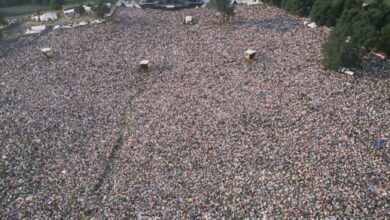
The last song of the night is supposed to feel like a goodbye. On January 17, 2026, at Riverstage in Brisbane, Zombie felt like something else entirely: a public exhale, a slow-motion wave that pulled thousands of people into one shared emotion and didn’t let go until the final note faded. YUNGBLUD’s IDOLS World Tour stop already had the feel of an event rather than a routine tour date, and Brisbane showed up with the kind of crowd you recognize instantly—loud, devoted, protective of each other, and ready to sing like it mattered. By the time Zombie arrived, the venue wasn’t just packed. It was unified, as if everyone had agreed on one mission: feel everything, together, and leave nothing unsaid.
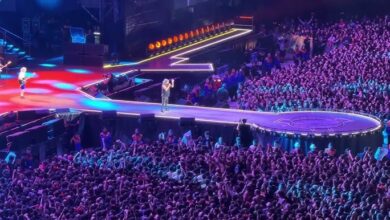
Riverstage is a venue that amplifies feeling. It’s outdoors, it breathes with the night air, and it lets a crowd sound enormous without walls trapping the noise. That mattered for this show, because the IDOLS era is built to be bigger than a club performance but still intimate enough to feel personal. From early on, you could sense Brisbane wasn’t attending as casual spectators; people came dressed like the show was a holiday, holding handmade signs like they were carrying letters, and scanning the stage with the focused excitement of fans who’ve waited months for one specific moment. Zombie wasn’t a surprise on paper, but the anticipation around it felt special—like the crowd already knew it would be the emotional final chapter.
The build toward that chapter started long before YUNGBLUD took the stage. The night’s momentum came in layers: fans arriving early to claim their patch of ground, small groups turning into bigger groups, strangers trading stories about past shows and favorite lyrics. Even before the first major chorus rang out, there was that subtle concert phenomenon where people begin singing pieces of songs to each other like private jokes. Brisbane had that energy: not chaotic, not restless—more like a gathering that was already in sync. There was a sense that this wasn’t only about hearing music loudly. It was about being in a space where it’s normal to be emotional, where no one flinches if you cry in the middle of a rock show.
Support act Dune Rats did what the best openers do: they didn’t politely warm up the crowd, they shook the room awake. Their set pushed the tempo and set a scrappy tone that suited Brisbane perfectly—fast, loud, and unpretentious. That mattered because it meant the crowd’s energy was already switched on when the main set began. The audience wasn’t waiting to be convinced; they were already moving, already shouting, already living in the moment. By the time the stage turned over, you could feel the venue ready for YUNGBLUD’s trademark mood swings—because a YUNGBLUD show is never just one vibe. It’s a sprint, a confession, and a celebration, often all in the same five minutes.
When YUNGBLUD hit the stage, the opening stretch played like a statement of intent. He didn’t arrive gently. He arrived like someone stepping into a story that had already started in the crowd. It’s one of his most reliable live strengths: he treats the audience like co-owners of the night, not customers. He paces the show with an instinct for emotion—knowing exactly when to turn the volume into adrenaline and when to pull it back so the room can breathe. Brisbane responded to that push-pull immediately. The energy wasn’t just loud; it was organized, like the crowd understood the cues and leaned into them, building the kind of collective rhythm that makes a venue feel bigger than its capacity.
Throughout the set, his connection style was physical and direct. He’s famous for refusing to stay at a safe distance, and Brisbane’s Riverstage layout rewards that kind of movement. He spoke to fans the way someone speaks to a community they actually recognize: candid, chaotic, warm, and sometimes surprisingly tender. Between songs, he threaded jokes and heartfelt lines together, making the show feel human rather than scripted. That tone is crucial for Zombie, because the closer only lands if the room trusts the artist. You can’t ask a crowd to sink into quiet emotion if you’ve treated them like background noise all night. In Brisbane, the trust was built step by step, and you could feel it tightening as the set rolled forward.
Then the night took on an extra layer of myth-making with the Ozzy Osbourne tribute. When YUNGBLUD performed Changes, many accounts of the show pointed to a surreal detail: rain began during the song and faded right as the performance ended. Whether you experienced it as coincidence or symbolism, the timing added cinematic weight to the middle of the set, and it visibly affected the crowd. Moments like that can shift a concert’s emotional temperature, making everything afterward feel heightened. It also set up a powerful contrast: after the tribute, the show didn’t collapse into melancholy. It snapped back into motion, but now the audience felt bonded by something shared and strange—like nature had briefly joined the band.
By the final stretch, you could sense Zombie approaching the way you sense a storm: not threatening, but inevitable, heavy with significance. People started repositioning, hugging, taking last sips of water, lifting phones a little higher, and looking at each other like, here it comes. This is what separates a normal concert from an unforgettable one: the audience doesn’t just react to songs, they anticipate them emotionally. Zombie has become one of those tracks for YUNGBLUD fans—a song that functions like a mirror. It’s not simply catchy; it’s cathartic. Brisbane clearly carried that relationship to it, and you could feel the room’s volume soften right before it began, as if the crowd instinctively knew to make space for what was coming.
When Zombie started, it didn’t hit like an explosion. It arrived like a slow, deliberate wave. That pacing is the secret: the song gives the crowd time to settle into it, to stop shouting and start listening. YUNGBLUD’s delivery in Brisbane leaned into the rawness, choosing emotional precision over flashy theatrics. The vocals carried a tired honesty that felt personal, and the outdoor venue made it feel even more exposed—no ceiling, no walls, just voice and air and thousands of people paying attention. It’s the kind of moment where you notice how rare it is to hear a big crowd go quiet without being told. Brisbane did it naturally, like reverence.
That silence didn’t mean the audience was passive. It meant they were present. In those early lines, you could see people holding still, eyes locked on the stage, some already wiping faces, some smiling in that fragile way people smile when something hurts but in a good way. YUNGBLUD has a talent for turning a room into a safe place to feel openly, and Zombie is basically built for that. The performance felt less like a “closing song” and more like a group ritual—everyone standing together, letting the lyrics do the work, and letting the night’s earlier chaos resolve into something calmer and heavier at the same time.
Then, as the song built, the crowd began to rise with it. Not all at once—more like a wave catching. You’d hear pockets of voices join in, then larger sections, then the entire venue, until it sounded like Riverstage itself was singing back. What makes Zombie special live is that it doesn’t become a casual singalong; it becomes a collective release. Brisbane wasn’t singing to show off. Brisbane was singing because it felt necessary. The chorus landed with visible conviction, and the way thousands of voices merged into one created that rare sensation where the crowd becomes the loudest instrument on stage.
In that moment, the show stopped feeling like performer versus audience. It became a collaboration. YUNGBLUD leaned into the crowd’s response, allowing them to carry the weight when it mattered, then cutting through with his own voice when the emotion needed a focal point. It’s a delicate balance that not every artist can manage; it takes humility to let the crowd lead and confidence to steer them when they drift. Brisbane responded like a room that had been waiting for permission to feel big feelings in public. You could see strangers leaning into each other, arms around shoulders, people singing with eyes shut, like the chorus was a promise they were making to themselves.
A great closer doesn’t just end a concert; it reshapes how you remember everything that came before it. Zombie did that in Brisbane. It made the earlier high-energy moments feel like the necessary buildup to a single emotional landing. It also changed the way the rain story from Changes sat in the night’s narrative. Suddenly, the concert wasn’t just “a show where it rained during a tribute.” It was a night of emotional timing—music and mood and environment lining up in ways you can’t manufacture. That’s why attendees talk about these nights like legends. The details stack: the crowd, the intimacy, the tribute, the closer, the promise of connection after the final note.
And Brisbane got one more detail that people love to repeat: after closing with Zombie, YUNGBLUD didn’t vanish into backstage distance. Accounts of the night highlighted his promise to meet fans outside, and that he actually followed through. In an era where many artists guard themselves behind layers of security and scheduling, that kind of gesture adds to the sense that the show wasn’t transactional. It was relational. For the fans who stayed, it turned the concert into a longer memory—one that extended beyond the stage lights and into the ordinary world outside the venue, where people were still buzzing, still wet from rain, still shaking from adrenaline and emotion.
What made this Zombie performance special wasn’t a gimmick or a perfect vocal run. It was the atmosphere of belonging that Brisbane created and YUNGBLUD amplified. Riverstage became a temporary city where loud was allowed, tears were normal, and weirdness was celebrated. That’s the IDOLS era in its best live form: theatrical but genuine, massive but intimate, funny and heavy in the same breath. Zombie worked as a closer because it let the crowd leave with something real in their hands—an emotion they could name, share, and carry home. People didn’t walk out humming. They walked out changed.
In the days after, fan-shot clips and chatter helped spread the story, but the core of it doesn’t live online—it lives in the feeling of being there when a whole venue moved as one. Brisbane’s January 17, 2026 show is already being remembered as one of those nights where timing, weather, and emotion aligned, and Zombie was the final stamp that turned it into something bigger than a tour date. If you were in that crowd, you didn’t just watch a performance. You participated in a moment that will keep resurfacing every time someone says, what’s the best concert you’ve ever seen? and you answer without thinking: that night at Riverstage, when Zombie closed it all.