Three Days Grace Turn Pittsburgh Into A Pressure Cooker With “Painkiller” On March 3, 2026
Some shows feel loud. This one felt inevitable. On March 3, 2026, Three Days Grace rolled into Pittsburgh with the kind of arena-scale confidence that doesn’t ask for permission—it just flips the switch and lets the night surge forward. PPG Paints Arena already has that steel-city echo to it, the sense that sound doesn’t just bounce, it multiplies. That mattered here, because this band’s biggest moments are built for call-and-response, for choruses that turn into a crowd’s own story. The energy wasn’t only about volume; it was about focus. You could sense people waiting for the “heavy” to hit, the moment when everyone stops being separate fans and becomes one roaring, synchronized section.
The context matters because this date sits deep in a run where the set has to work like a machine: no wasted motion, no dead air, just a sequence of punches that keeps the room upright and shouting. The night’s pacing set up a specific kind of tension—hard openers that make the audience move first, then familiar hooks that make them sing, then newer material that proves the band isn’t living on nostalgia. That’s what makes this Pittsburgh performance such a clean snapshot of Three Days Grace in 2026: the band isn’t trying to recreate a past era, they’re trying to be the loudest version of themselves right now, and they’ve got the crowd trained to follow every pivot.
By the time “Painkiller” arrives, it doesn’t feel like an isolated song—it feels like a payoff. There’s a reason this track has become one of the band’s most reliable “turn the room into a frenzy” weapons. It’s built with a modern hard-rock snap, that tight, stomping rhythm that invites bodies to bounce in place before they even realize they’re moving. Live, the song’s pulse hits differently than it does on record, because you can see the band lean into the spaces between the beats. Those micro-pauses—where the riff hangs for a split second—make the crowd surge harder when everything slams back in.
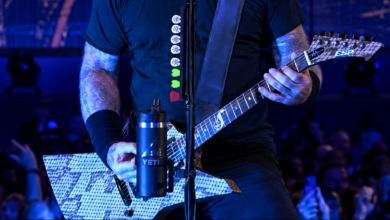
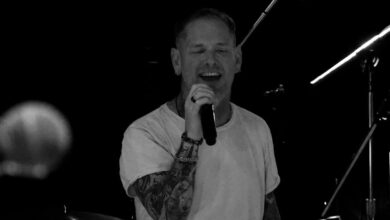
What makes the Pittsburgh version stand out is the feeling of controlled chaos. Fan-shot footage captures the truth that polished broadcasts often miss: the way the floor sways as if the entire arena has a single heartbeat, and the way random moments become “the” moment because the crowd decides they matter. The vocal delivery in this performance leans into grit and urgency, pushing the lines with a little extra bite, like the singer is trying to drag the words out of the air and throw them into the upper bowl. You can hear the audience take over in bursts, not just during the chorus, but in those half-second gaps where everyone yells a phrase like it’s a personal motto.
The guitars are where the live version really separates itself. “Painkiller” isn’t about flashy virtuoso runs—it’s about riffs that hit like stacked concrete slabs, then little accents that make the riff feel even meaner. In Pittsburgh, those accents land with extra clarity, likely because the mix balances the chugging low end with enough bite on top to keep every hit crisp. When the band locks in, it’s not just heavy; it’s sharp. The pick attack cuts through. The rhythm feels tightened. And because the arena is so responsive, every palm-muted crunch gets a second life as it ricochets back from the rafters.
Another reason this performance feels different is how the crowd reacts to the song’s “command” energy. Some tracks invite singalongs; “Painkiller” invites motion. You can spot that shift in any good audience recording: heads start nodding harder, phones shake, people shove their way into better sightlines, and the roar gets less melodic and more primal. Pittsburgh crowds have a reputation for turning concerts into contact sports in the best way, and it fits this song perfectly. The whole point of “Painkiller” live is that it doesn’t soothe anything—it intensifies everything. The band feeds off that, stretching the tension and then slamming the release.
There’s also something about hearing this song in a set that includes both deep-catalog anthems and newer cuts. It changes the way “Painkiller” reads. Instead of feeling like “the modern one,” it feels like a bridge between eras: still aggressive, still radio-tight, but with a bite that keeps it from becoming too polished. Pittsburgh’s performance captures that balance. It’s heavy without being messy, direct without being bland. And because the band’s pacing that night moves fast, the song arrives like a door being kicked open rather than a slow build. It doesn’t announce itself politely. It just detonates.
Arenas can sometimes flatten intensity, especially with hard rock, because sound gets too clean or too distant. Here, the opposite happens. The recording angle and crowd noise actually amplify the atmosphere, making it feel like you’re inside the push of the floor rather than watching from a safe distance. You can hear the audience as a character in the performance—shouting, reacting, pulling the band forward. That’s why this Pittsburgh take sticks with people. It’s not only about playing the song “right.” It’s about capturing the feeling of a whole room deciding, collectively, that this is the moment they’ll remember when the tour blurs together in hindsight.
Watching the live clip after you’ve heard the studio version is like seeing the blueprint turn into a building. The record is tight, precise, engineered for impact. The Pittsburgh performance is impact with fingerprints on it—human timing, human adrenaline, human noise. The tempo feels more alive, not necessarily faster, but more urgent because the crowd keeps pushing it. The vocal phrasing has that live “edge” where you can tell the singer is reacting to what the room gives back. And the guitars feel heavier because they’re not sitting inside a mastered mix; they’re hitting air, bouncing off bodies, and coming back louder. It’s the difference between a punch on paper and a punch you felt.
What’s fun is how the Pittsburgh version highlights the song’s role as a modern hard-rock anthem rather than just another entry in the catalog. The structure is built for a live environment: verses that coil tension, a chorus that opens up, and a rhythm that makes even the back rows feel like they’re part of the same surge. When you catch the crowd noise in the fan-shot recording, you realize how much of the song’s live power is communal. It’s not only the band delivering the “hit.” It’s the audience providing the extra layer—the shout after a line, the roar when the riff restarts, the sudden spike when everyone recognizes the next section half a second early.
Comparing Pittsburgh to another recent crowd-shot version shows what changes from night to night: not the song itself, but the temperature of the room. Some crowds sing louder. Some move harder. Some just listen in stunned silence and then explode at the chorus. Pittsburgh’s identity is that it leans aggressive in the best way, and “Painkiller” thrives on that. When the chorus hits, the response isn’t polite applause—it’s the sound of people emptying their lungs like they’ve been holding something in for months. That’s why certain tour stops become “legendary” in fan memory even when the setlist is similar. The crowd’s personality becomes part of the arrangement.
There’s also a bigger picture: “Painkiller” has become one of those songs that proves a band can add new staples without losing the old ones. Plenty of groups get stuck living inside one classic era, but Three Days Grace keep finding ways to make newer material feel essential in the live set. A strong “Painkiller” performance doesn’t just hype the room; it refreshes the whole show by adding a different flavor of aggression—more modern, more punchy, less “classic rock” and more “arena brawler.” That evolution is part of why the 2026 run feels so sharp. The band sounds like they know exactly what each song is supposed to do to the crowd.
By the end of it, the best description of Pittsburgh’s “Painkiller” isn’t technical—it’s emotional. It feels like the song takes the mood of the entire arena and compresses it into a single, stomping, shoutable burst. The riffs give people permission to be loud. The chorus gives them permission to be fearless. And the live imperfections—extra noise, extra grit, extra crowd chaos—are exactly what make this version stick. It’s the kind of performance that doesn’t fade into the rest of the tour in your memory. It becomes one of those clips you return to when you want to remember what it feels like when a band and a crowd meet in the middle and decide to go all in.