Yungblud Reflects On Growth And Healing In The Newly Released Song “Time”
In the ever-changing world of modern rock, few artists manage to create moments that feel both explosive and deeply personal at the same time. Yungblud has built much of his reputation on that balance between chaos and emotional honesty. When the song “Time” began spreading among fans and later appeared in a live studio performance, it quickly felt like more than a typical release. Instead, it carried the sense of an important artistic moment. Known for his rebellious energy and high-octane stage presence, Yungblud surprised many listeners by slowing things down. Rather than unleashing another aggressive anthem, he leaned into vulnerability, reflection, and emotional storytelling, creating a performance that revealed a quieter side of an artist usually associated with intensity.
Yungblud, born Dominic Harrison, has spent the last several years building a unique identity within modern alternative rock. His sound blends punk urgency, pop hooks, and theatrical emotional delivery, creating music that feels both rebellious and deeply personal. Fans connect strongly with the idea that every performance comes from a place of genuine emotion rather than calculated image. That context made the arrival of “Time” particularly intriguing. Instead of continuing with his trademark explosive energy, the song approached emotion from a calmer perspective. It felt like a deliberate pause in the storm, a moment where the singer stepped away from the noise to explore something more intimate and reflective.
The performance arrived during a particularly significant phase in Yungblud’s career. By 2026 he had grown into one of the most recognizable young figures in modern rock music, building a global fan base through relentless touring and passionate performances. Recognition from the music industry followed as well, including a Grammy Award for Best Rock Performance for “Changes (Live From Villa Park / Back to the Beginning),” a tribute connected to Ozzy Osbourne’s musical legacy. That achievement placed him firmly within the broader rock conversation. As a result, every new release carried an extra layer of anticipation, with listeners wondering how he would follow such a major milestone.
“Time” felt like a thoughtful response to that moment of expectation. The song centers on the emotional aftermath of separation, capturing the quiet reflection that follows a painful goodbye. Its lyrics explore the lingering questions that appear once distance grows between two people. Instead of dramatic confrontation, the emotions unfold gradually. The story feels almost like a memory replaying itself late at night, when regrets and unanswered questions begin to surface. For an artist often defined by explosive emotional delivery, that restrained vulnerability felt particularly powerful.
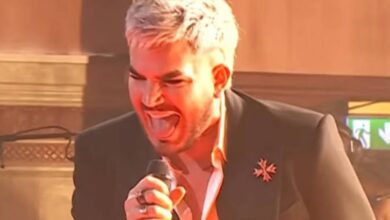
The setting of the live studio performance added an important layer to the experience. Rather than placing the song in a massive arena or festival environment, the performance unfolded in a controlled studio space. The production avoided elaborate spectacle, focusing instead on the music and the atmosphere. This approach transformed the performance into something that felt almost confessional. The camera remained close to the performer, allowing every vocal nuance and emotional shift to become part of the storytelling.
This change in atmosphere highlighted a striking contrast with Yungblud’s usual stage persona. During his concerts he is known for constant movement, intense crowd interaction, and explosive bursts of energy. In “Time,” that familiar chaos gives way to restraint. The same emotional intensity remains present, but it emerges through subtle vocal phrasing rather than physical spectacle. That contrast allowed audiences to see another dimension of his artistry, proving that the passion driving his energetic performances could also exist in a quieter, more reflective form.
Another reason the moment resonated so strongly with listeners was the timing within his career trajectory. By the time “Time” appeared, Yungblud had already experienced rapid growth, international touring, and collaborations with established rock musicians. He had become a recognizable figure across both alternative and mainstream music circles. Fans were watching closely to see what direction he would take next. Instead of pursuing a louder or more aggressive sound, he chose introspection, presenting a song that explored emotion rather than spectacle.
Emotionally, the song exists in a delicate space between longing and acceptance. It is not entirely sorrowful, yet it carries a quiet ache that runs through every line. The melody unfolds slowly, allowing the listener to absorb each moment. This pacing creates an immersive atmosphere, inviting the audience to experience the emotional landscape of the song rather than simply hearing it. That kind of storytelling requires patience, but when executed well it can create a powerful connection between artist and listener.
The structure of the performance reinforces that emotional journey. The instrumentation begins with a sparse arrangement, leaving space for the vocals to carry the central narrative. As the song progresses, additional musical elements gradually appear, building subtle tension. Rather than erupting into a dramatic climax, the arrangement grows carefully and deliberately. This approach gives the performance a cinematic quality, as though each musical layer represents another memory or realization emerging within the story.
Audience reactions quickly began circulating across social media and music communities. Many listeners were surprised by the emotional depth of the song, describing it as one of Yungblud’s most vulnerable recordings. Others interpreted the performance as a sign that he was entering a new phase of artistic maturity. These reactions reflect a broader truth about modern music audiences. Listeners often respond strongly when artists evolve and reveal new sides of themselves, rather than repeating the same creative formula.
Within the broader narrative of Yungblud’s career, “Time” also connects with the themes that have always defined his music. From the beginning he positioned himself as a voice for outsiders, encouraging fans to embrace individuality and emotional honesty. Early songs focused on rebellion and identity, capturing the urgency of youth. As artists grow older, however, those themes often deepen into more reflective storytelling. “Time” feels like one of those moments where the rebellious voice pauses to examine the emotional consequences of the life it describes.
Visually, the studio performance supports that sense of intimacy. The lighting remains soft and understated, keeping attention on the performer rather than overwhelming visuals. Camera movements are slow and deliberate, mirroring the pacing of the music. The overall presentation creates the impression that the viewer is witnessing a private moment rather than a staged production. That atmosphere strengthens the emotional authenticity of the performance.
Musically, the track blends alternative rock influences with atmospheric pop elements. The arrangement remains restrained yet expressive, allowing the vocals to dominate the emotional landscape. This balance has become one of Yungblud’s defining musical strengths. By combining rock intensity with melodic accessibility, he creates songs that resonate across different audiences. “Time” demonstrates how that formula can also work in a slower, more reflective context.
The significance of the moment also lies in what it suggests about the artist’s future direction. Musicians who successfully balance energetic performances with emotional nuance often build lasting careers. By exploring quieter emotional territory, Yungblud shows a willingness to expand his creative range. This ability to evolve while maintaining a recognizable identity is often what separates enduring artists from temporary trends.
Looking back at the performance, it becomes easier to understand why so many listeners described it as a special moment. The song appeared during a period of high expectations, yet it deliberately avoided dramatic spectacle. Instead, it offered a calm, emotionally honest performance that allowed the music to speak for itself. In a music landscape often dominated by instant viral moments, “Time” succeeded by inviting listeners to slow down and experience something more personal.
Ultimately, the power of “Time” comes from its simplicity and emotional sincerity. There are no elaborate visual effects or shocking surprises. The impact emerges from the honesty of the performance and the feeling that the artist is revealing something genuine. That authenticity gives the song a lasting quality, making it feel less like a calculated release and more like a real moment captured in sound.
As Yungblud continues to evolve as an artist, performances like this will likely remain important milestones in his journey. The explosive energy that first brought him attention helped establish his identity, but songs like “Time” reveal the emotional depth behind that intensity. In many ways, the performance represents an artist learning how to balance rebellion with reflection, discovering that sometimes the quietest expressions can leave the most powerful impression.