How Jeff Beck Made “Nessun Dorma” Sing on Electric Guitar
Jeff Beck needed no lyrics to make “Nessun Dorma” feel like a song being sung. In his hands, the electric guitar carried the melody of Puccini’s famous aria with long, expressive notes that seemed to rise and fall with a human voice.
The piece comes from Turandot, where the character Calàf sings of his certainty that he will triumph at dawn. Its melody is familiar far beyond opera, thanks in large part to Luciano Pavarotti’s celebrated performances. For Beck, taking on such a recognizable work meant that every phrase would be heard against that vocal tradition.
He recorded “Nessun Dorma” for his 2010 album Emotion & Commotion, a collection that placed rock and blues performances alongside arrangements for guitar and orchestra. The project gave Beck a setting he had wanted to explore for decades: the sound of his instrument against a large ensemble.
Pavarotti’s singing was a particular inspiration. Beck admired the force and emotion of his voice, but he did not try to reproduce it exactly. He approached the aria as a guitarist, bringing the feel of the blues to a melody he believed deserved to remain at the heart of the arrangement.
That choice shaped the performance. Instead of filling every space with fast notes, Beck let individual tones linger. Gentle bends, vibrato and small changes in timing gave the melody room to breathe, while the orchestra supplied the scale of the original work.
The result is striking because the guitar remains unmistakably electric. Beck did not disguise its sound to imitate an opera singer. He used the instrument’s own expressive possibilities to carry a vocal melody, finding feeling in the space between one note and the next.
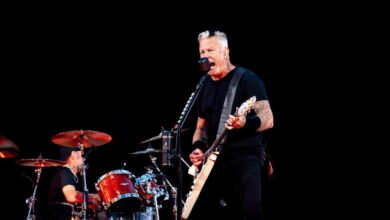
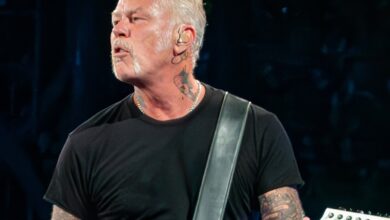
A live performance at Eric Clapton’s 2010 Crossroads Guitar Festival shows that approach in action. With the guitar at the front of the arrangement, Beck moves through the aria’s familiar phrases and gradually builds toward its climactic finish.
The festival video also captures something the studio recording alone cannot show: how much of Beck’s expression came from his hands in the moment. A slight shift in pitch or the length of a held note changes the weight of a phrase without changing the melody itself.
Beck had spoken about the need to respect a strong composition. His aim was to bring his own feeling to the music while leaving its essential shape intact. “Nessun Dorma” gave him a melody powerful enough to withstand that close attention.
The recording went on to win the 2011 Grammy Award for Best Pop Instrumental Performance. That prize recognized the version released on Emotion & Commotion; the Crossroads footage offers a separate chance to see Beck perform the piece live.
It was an unusual award for a guitarist whose reputation had been built across rock, blues and instrumental music. Yet the recording makes the choice understandable. Beck brought a widely known operatic aria to listeners through a different instrument while keeping its emotional pull.
Years later, “Nessun Dorma” remains one of the clearest examples of what made his playing distinctive. Beck could command attention with speed and volume, but here he trusted a melody, a carefully shaped note and the sound of his guitar to do the work.