The Eagle Was Real: How Lincoln Stole Hearts in Budweiser’s American Icons Ad
In the crowded universe of Super Bowl advertising, very few brands manage to rise above the noise and deliver something that feels timeless rather than trendy. For decades, Budweiser’s Clydesdales have occupied that rare space, becoming more than mascots and evolving into cultural symbols. During Super Bowl LX, Budweiser returned to that legacy with American Icons, a commercial that didn’t just lean on nostalgia—it expanded it. By pairing the legendary horses with another powerful American symbol, the bald eagle, the brand created a piece of storytelling that felt emotional, cinematic, and surprisingly intimate for a one-minute spot.
From the opening frames, the ad signals that it’s aiming for something deeper than spectacle. A young Clydesdale foal wanders beyond familiar boundaries, its curiosity leading it into an unexpected encounter with a vulnerable eaglet. The pacing is deliberate, allowing the audience to absorb the environment, the silence, and the cautious energy between the two animals. Instead of rushing toward a punchline or brand reveal, the commercial chooses patience, inviting viewers into a quiet narrative built on trust and instinct rather than words.
As rain begins to fall, the foal instinctively positions itself beside the small eagle, offering shelter without hesitation. It’s a simple gesture, but one loaded with meaning. There’s no voiceover explaining what to feel, no dialogue guiding interpretation. The moment stands on its own, suggesting protection, empathy, and connection across difference. It’s the kind of imagery that resonates because it mirrors something deeply human—offering comfort without being asked.
The story unfolds through the changing seasons. Rain gives way to snow, and time passes subtly as both animals grow. The eagle attempts to fly, faltering at first, while the horse remains close, steady and present. These scenes quietly reinforce the idea that growth isn’t linear and that progress often depends on support rather than strength alone. The ad never spells this out, yet the message lands with clarity precisely because it’s allowed to breathe.
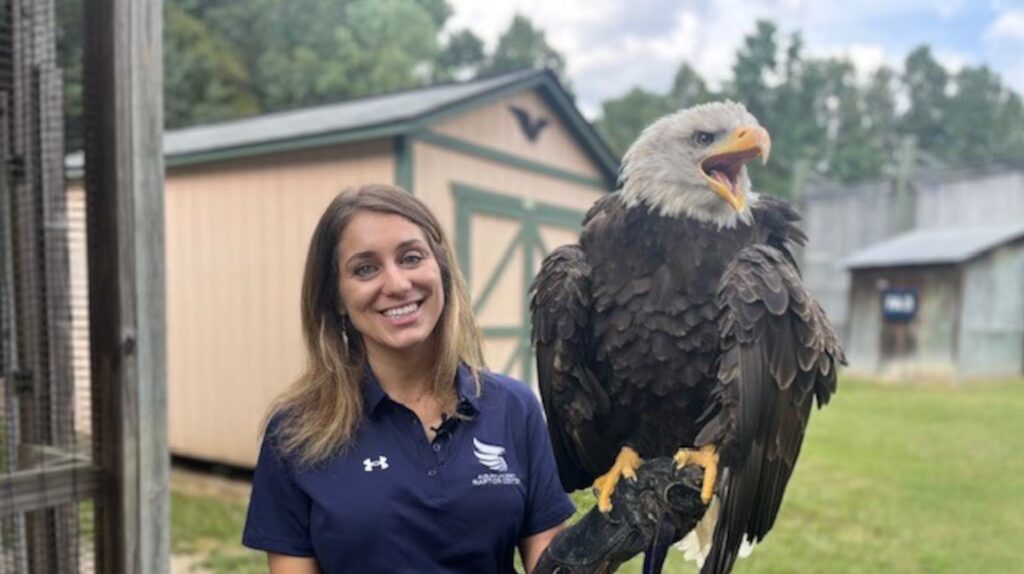
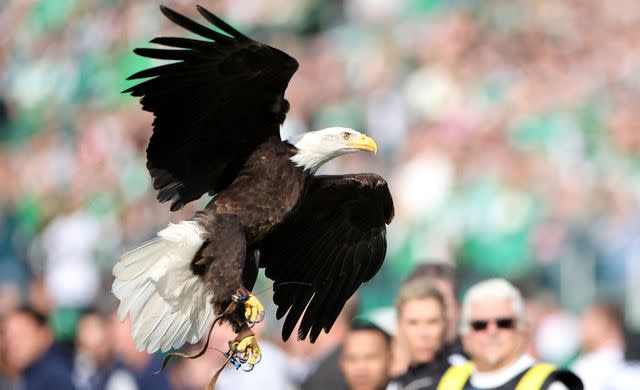
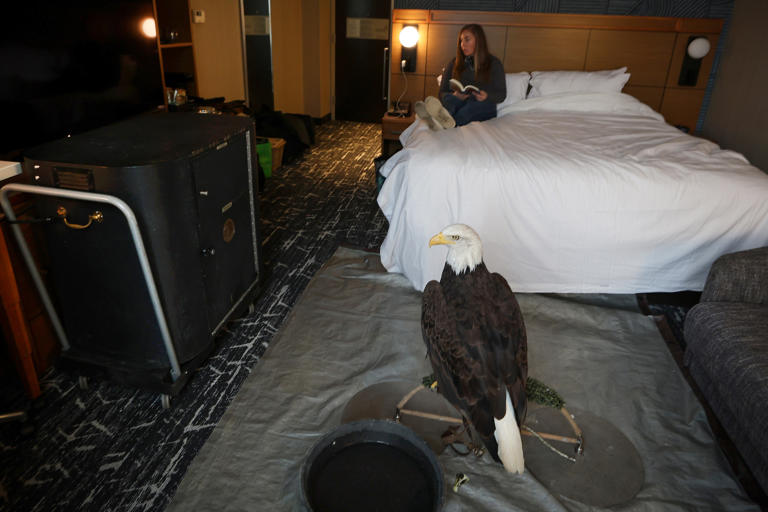
One of the most striking aspects of American Icons is its commitment to authenticity. Rather than relying heavily on digital effects, the commercial uses real animals, real environments, and real movement. That choice gives the visuals a grounded quality that’s increasingly rare in modern advertising. The eagle featured in the ad is a rescue bird named Lincoln, and knowing that he’s real—not an animated stand-in—adds emotional weight to every frame he appears in.
The climax arrives in a moment that feels almost mythic. As the Clydesdale charges forward, the eagle perches atop its back, wings spread wide. The image evokes ancient symbols of strength and freedom, calling to mind legends and folklore without explicitly referencing them. When the eagle finally launches into the air, the moment feels earned—not dramatic for drama’s sake, but the natural conclusion of a journey we’ve been quietly following all along.
Music plays a critical role in elevating the narrative. The choice of “Free Bird” isn’t subtle, but it’s effective. Its slow build mirrors the pacing of the story, while its iconic crescendo aligns perfectly with the eagle’s flight. Rather than overpowering the visuals, the song amplifies them, transforming the ad into something that feels closer to a short film than a commercial.
What’s notable is how restrained the ending is. Instead of cutting to branding or slogans, the ad closes on a quiet exchange between two observers watching the scene unfold. The line “You crying?” followed by “Sun’s in my eyes” acknowledges the audience’s emotional response without mocking it. It’s a knowing wink that respects the viewer’s experience rather than trying to control it.
The emotional impact was immediate. Viewers across social platforms reacted not with jokes or analysis, but with genuine emotion. Many admitted they were caught off guard, surprised that a beer commercial could provoke such a response. In a media environment saturated with irony and spectacle, American Icons stood out by being sincere—and sincerity, it turns out, still has power.
The ad also reflects a broader shift in how legacy brands are choosing to communicate. Rather than chasing viral trends or polarizing attention, Budweiser leaned into themes that feel unifying: heritage, resilience, and quiet strength. The result is a piece of advertising that feels confident enough not to shout, trusting that its message will land without explanation.
Behind the scenes, the production required extraordinary coordination. Working with large animals and birds of prey demands patience, expertise, and a deep respect for safety. That care is visible on screen. Nothing feels rushed or forced. Each movement appears intentional, guided by trust between handlers and animals rather than manipulation.
Symbolically, the pairing of the Clydesdale and the bald eagle carries undeniable weight. Together, they represent two different expressions of American identity—grounded strength and soaring freedom. The ad doesn’t attempt to define what those symbols mean. Instead, it allows viewers to project their own interpretations, making the story feel personal rather than prescriptive.
Critics and audiences alike have already begun to place American Icons among the most memorable Super Bowl commercials in recent memory. Not because it was loud or shocking, but because it was calm, confident, and emotionally precise. In a lineup full of celebrity cameos and visual chaos, this ad chose stillness—and that choice made it unforgettable.
Ultimately, American Icons succeeds because it remembers something fundamental about storytelling: people don’t connect with brands, they connect with moments. By creating a narrative rooted in authenticity, patience, and emotional truth, Budweiser delivered more than an advertisement. It delivered a shared experience.
Long after the final whistle of Super Bowl LX, this commercial continues to resonate—not because it sold a product, but because it told a story that felt honest. For one quiet minute amid the noise of the biggest night in sports, viewers were invited to pause, feel, and remember why simple moments, when handled with care, can still move millions.