Randy Rhoads Made the Guitar a Second Voice in ‘Mr. Crowley’
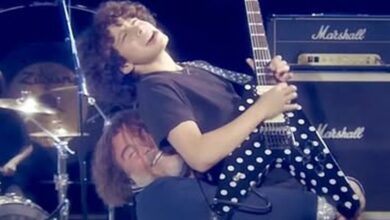
The old footage lets you find Randy Rhoads almost instantly. He is holding the black Flying V with bright white spots, with Marshall cabinets stacked behind him. Once his lead part comes out of the arrangement, the picture has a sound to go with it. There are runs that draw your attention to his hands, and then there are notes that seem to hang in one place long enough to give the whole room something to wait on. Both movements are part of why that guitar is so strongly associated with “Mr. Crowley.”
At the beginning of the song, the atmosphere comes from a different direction. The keys make it easy to picture a room before anyone inside it has said a word. Ozzy brings the opening verse in with a melody you can recognize from a few syllables. Rhoads has room to lead later because that outline is already clear. The shift to the guitar can feel as though a second person has started talking in a song that only appeared to have one speaker. It is one of the reasons listeners remember the guitar part in phrases rather than simply in notes.
There is a useful difference between the fast runs and what surrounds them. A quick climb up the neck has more effect when a slower phrase has given your ear a place to start. Rhoads uses longer notes to give the run a destination and small changes in attack to make it feel like a surprising way to get there. That variation is audible even to a listener who has never tried to play the part. It is also a good reason to watch the live footage. Seeing his left hand and hearing the shape of the note happen together makes the effect easier to understand.
The polka-dot guitar often gets mentioned first because it is such a clear way of recalling the picture. Its value here is how quickly it puts the player back in the center of the song. In live footage you can follow the instrument from a quiet stretch alongside the vocal to the place where the band gives it enough room for a new idea. An image long separated from the grainy old film can immediately bring part of the sound along with it. That is a rare thing for a detail as simple as the finish on a guitar.
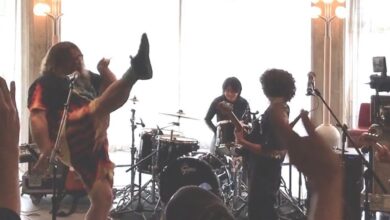
Roman Morello made deliberate use of that recognition in the tribute that Jack Black filmed for Back to the Beginning. The shape and pattern on his instrument are part of what the new video asks Ozzy fans to identify. Someone approaching the film through Black and School of Rock can follow the reference in the other direction. Go back to Randy’s own performance and you hear why the younger guitarist was given so much space in the arrangement. The tribute depends on a lead part powerful enough to carry recognition across both age and setting.
The original studio recording appeared on Blizzard of Ozz, with Rhoads on guitar and Don Airey on keys. The early live footage gives the song back to the band in a room, where both listeners and cameras can turn toward the instrument they are hearing. Follow the guitar through the parts where Ozzy can still be the center of attention. When the lead finally opens up, it feels related to everything Rhoads has been doing in the background. Those quieter sections give the solo more of a beginning than the first long note alone would suggest.
Watch the performance
What the live camera catches
The footage has a practical advantage over a standalone guitar clip. You get to watch who has the room at several different points in the same performance. While Ozzy is handling the verse, the guitar is already shaping the texture around him. When the lead becomes the focus, its relationship to the melody is easier to hear because you have just heard the singer establish it. The visuals give your eyes a way of following a handoff that was already apparent on the record. A frame of Randy with his distinctive guitar is only one part of that continuous exchange.
The sound is also worth attention at the point where a lot of guitarists would be tempted to stay at top speed. Rhoads has enough ways to shade a single sustained note to make a pause feel active. A change in pressure or a little movement in the pitch can pull the listener through a second that would otherwise feel empty. He can arrive at another run after making the time around it feel full. That range of expression carries the song farther than a count of difficult notes ever could.
The tribute shows what happens when another guitar player learns the part as a piece of music with a beginning and an end. Roman has to make his own way through it, and the prepared audience is still going to remember where some of Randy’s phrases land. The original is strong enough to invite that kind of comparison. Go back to the old clip after seeing Jack’s group and the famous instrument looks familiar straight away. Stay through the places where Randy gives a phrase room to finish and you get the most useful part of the lesson.
Two more versions
Roman Morello’s tribute picks up both the look of the guitar and its job in the song. Jack Black can move out of the way long enough for the lead to take the melody forward. The sequence gives a modern camera time to make the physical instrument very clear. The 1981 footage explains why that recognizable shape works so well as a reference once the band has earned the moment musically.
In the studio recording, the keys and the lead guitar have different spaces in the mix. Don Airey sets the initial atmosphere and Randy can change it with a phrase when the guitar gets more room. With no performance image to tell you which instrument should be the center of attention, the melody makes the distinction on its own. It is the clearest complement to the close-ups in the concert video.