Budweiser’s “American Icons” Turns the 2026 Super Bowl Into a Quiet, Emotional Showstopper
Budweiser’s return to the Super Bowl stage in 2026 wasn’t framed as a comeback so much as a reminder of who they’ve always been. As the brand marked 150 years of brewing beer in the United States, it leaned fully into its identity, choosing symbolism over spectacle and emotion over gimmicks. Instead of celebrities or punchlines, the company once again placed its trust in imagery that has defined its advertising legacy for decades: animals, land, patience, and quiet American mythmaking.
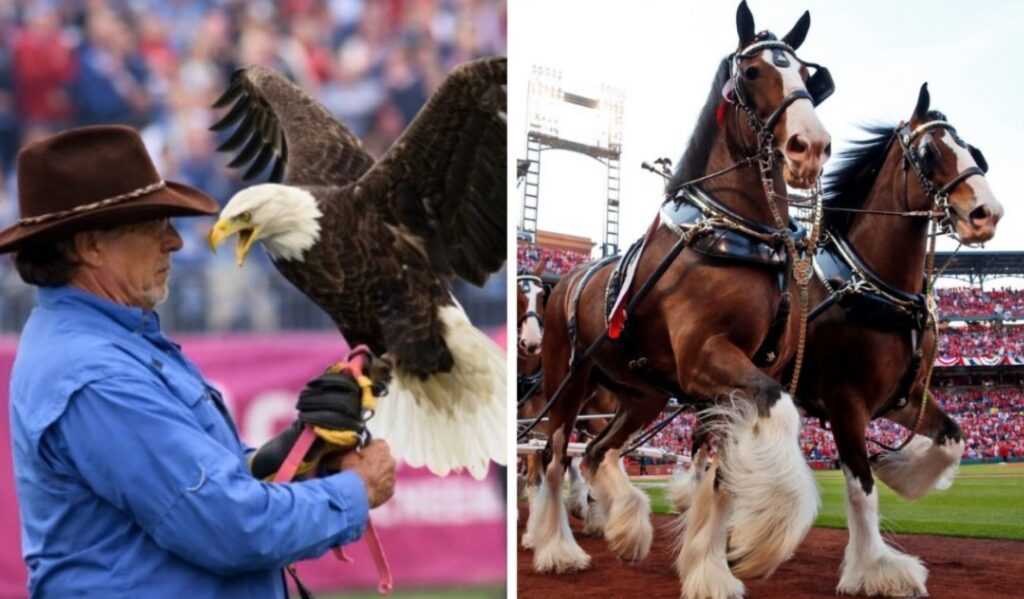
At the center of the commercial, titled American Icons, are two figures deeply embedded in national symbolism: a Budweiser Clydesdale and a bald eagle. These aren’t random mascots or decorative choices. For generations, Clydesdales have represented labor, continuity, and tradition in Budweiser’s storytelling, while the bald eagle stands as one of the most recognizable emblems of the United States itself. Bringing them together was less about novelty and more about reaffirming a shared visual language that audiences instantly understand.
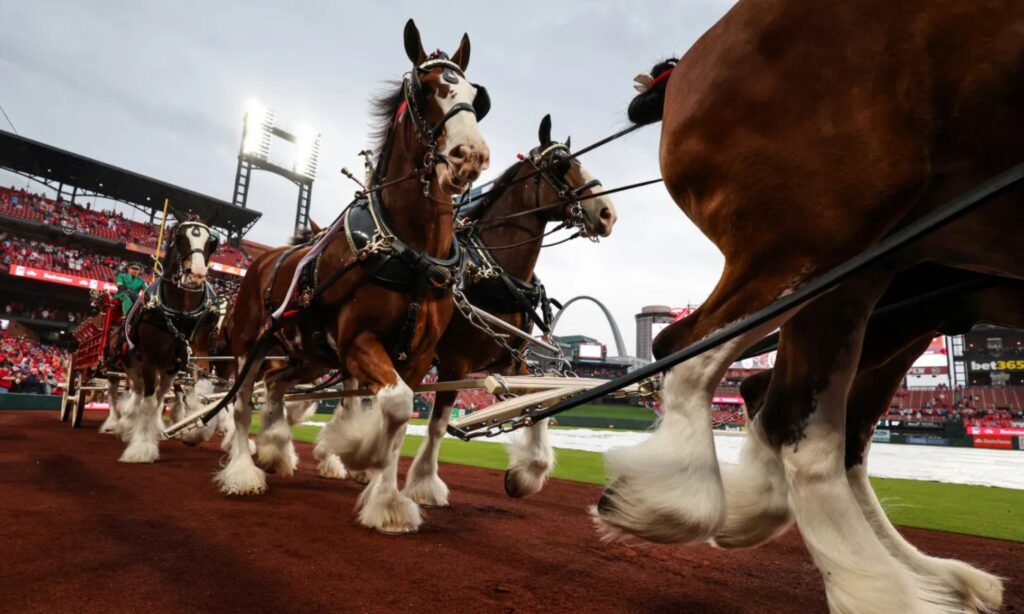
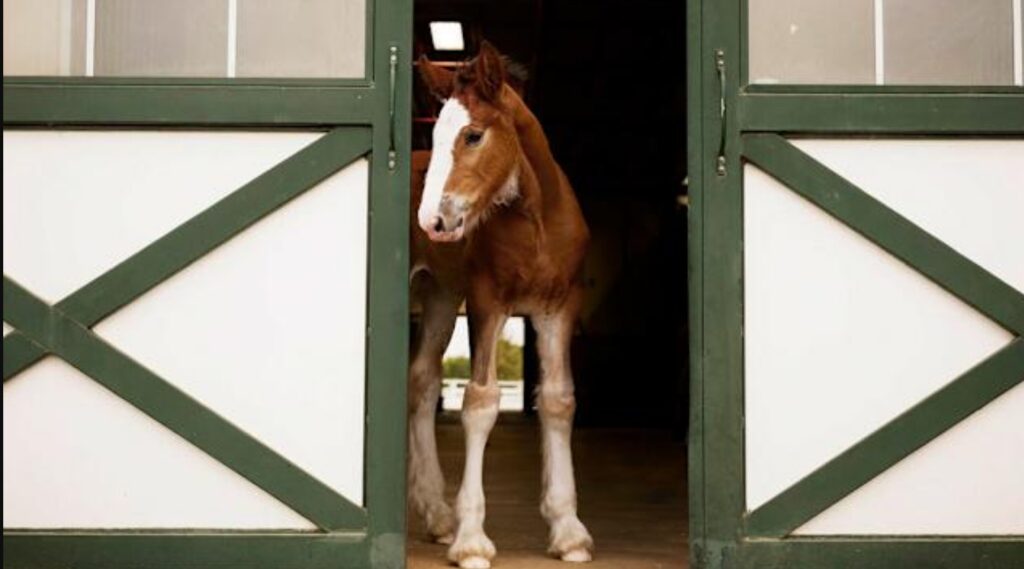
The narrative begins in near silence, with a young Clydesdale foal stepping into the morning light and galloping through open fields. The pacing is deliberate and unhurried, echoing the rhythm of classic Budweiser ads that allow viewers to settle into the scene rather than bombard them with information. During its run, the foal encounters a fallen bald eagle chick, grounded and vulnerable, having slipped from its nest. The moment sets the emotional tone immediately: this is not about dominance or triumph, but about care and connection.
Importantly, the eaglet is portrayed as unharmed yet helpless, too young to fly and clearly out of its element. There’s no panic, no exaggerated peril. Instead, the ad focuses on stillness and observation, allowing viewers to project meaning into the interaction. The young horse’s curiosity and calm presence create an unspoken bond, establishing the foundation of a friendship that will carry the rest of the story forward without a single spoken word.
As the seasons change, the commercial follows the pair through time. Rain falls. Snow blankets the fields. The foal grows stronger and more confident, while the eaglet matures, learning balance, strength, and eventually flight. These sequences unfold as visual metaphors for growth, patience, and mutual reliance. Neither animal is portrayed as superior. Instead, they develop side by side, reinforcing the idea of shared progress rather than individual dominance.
Music plays a crucial role in shaping the emotional arc. Lynyrd Skynyrd’s Free Bird, long associated with freedom, endurance, and American cultural memory, gradually builds beneath the visuals. The song’s slow rise mirrors the evolution of the animals, allowing the emotion to swell naturally instead of being forced. By the time the music reaches its most recognizable moments, the audience is already fully immersed in the story.
One of the ad’s most striking images arrives near the end, when the now fully grown eagle spreads its wings atop the running Clydesdale. As the horse charges forward, the eagle lifts off, briefly creating the illusion of a winged horse — a fleeting, almost mythical image that feels both grand and restrained. It’s a moment designed to linger in the viewer’s mind rather than provoke instant applause.
The final sequence grounds the story back in human reality. A farmer, visibly emotional, watches the animals thrive together. When asked if he’s crying, he deflects with a simple, human response: “The sun’s in my eyes.” It’s a quiet line that reinforces the ad’s emotional honesty. According to Budweiser, the farmer featured is a real barley grower, tying the mythic imagery back to the people who sustain the brand’s foundation.
The closing text, Made of America and For 150 Years, This Bud’s For You, doesn’t attempt to explain the commercial’s meaning. It doesn’t need to. By this point, the audience has already absorbed the message through imagery and tone. The words function as a signature rather than a pitch, completing a narrative that trusts viewers to understand what they’ve just experienced.
Behind the scenes, Budweiser once again partnered with filmmaker Henry-Alex Rubin, continuing a creative relationship built on restraint and emotional realism. The production worked closely with the American Eagle Foundation, ensuring the eagle’s involvement met ethical and legal standards, and received review and approval from the U.S. Fish and Wildlife Service. These details underscore the care taken to preserve authenticity rather than simulate it.
What makes American Icons stand out in the modern Super Bowl advertising landscape is its refusal to chase trends. There are no jokes designed for instant virality, no rapid-fire edits, and no reliance on cultural references that will feel dated within weeks. Instead, Budweiser leaned into timelessness, crafting something meant to be felt slowly and remembered long after the game ends.
The ad also arrives at a moment when many viewers express fatigue with overproduced, chaotic commercials. In contrast, this spot invites stillness. It asks for attention, not reaction. That choice aligns with Budweiser’s long-standing belief that emotional resonance outlasts novelty, especially during an event as crowded and loud as the Super Bowl.
By tying its 150th anniversary to America’s approaching 250th birthday, Budweiser positioned the commercial as more than a brand celebration. It becomes a reflection on continuity, resilience, and shared history — themes that resonate regardless of personal politics or preferences. The animals, land, and music serve as common ground rather than points of division.
Ultimately, American Icons doesn’t try to redefine Super Bowl advertising. Instead, it reinforces why Budweiser has remained a fixture within it for decades. The commercial works because it understands that sometimes the most powerful statement isn’t made by shouting louder than everyone else, but by speaking in a voice audiences already trust and recognize.
In a year crowded with spectacle, Budweiser’s 2026 Super Bowl ad succeeds by doing what the brand has always done best: telling a simple story with patience, respect, and emotional clarity. It’s not just a celebration of beer or history, but a reminder of how enduring symbols — when handled with care — can still stop people mid-scroll and make them feel something real.