Chappell Roan Had the Sound of Heart in Her Corner at Forest Hills
One of the first things to register in Chappell Roan’s “Barracuda” at Forest Hills Stadium is how familiar the guitar sounds. Nancy Wilson is there to set it in motion. Once the figure is moving, Roan has a secure foundation for a vocal with its own attack. The cover is interesting at the precise point those choices start affecting each other.
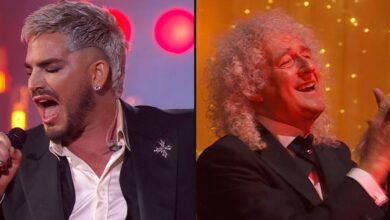
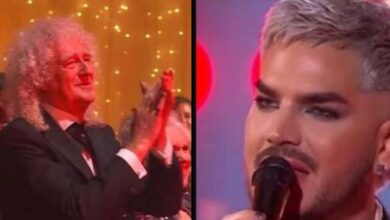
Roan and Wilson performed at the New York venue on September 21, 2025. The set brought an artist with a very recognizable visual world into contact with one of Heart’s most recognizable sounds. There is a direct musical advantage to having Nancy onstage: someone who knows what the riff needs can make that decision at once.
The guitar feels quick even when the voice takes a longer path across it. Pay attention to the early lines, where Roan has to place the words over a repeating rhythmic figure people in the crowd already know. She can let the tension in her vocal stretch without making the guitar lose its center.
Guest spots can become memorable for their announcement alone. Here the arrangement makes it possible to hear why the two musicians belong in the same performance. Wilson already knows how much space to cut out of the riff before the next voice arrives. Roan uses that space in a way that feels natural to her.
The song gives a vocalist a chance to adopt its antagonism without adopting somebody else’s voice. Roan’s pressure on a syllable and the amount of energy she brings to the early phrases tell you which singer is there. The more securely the guitar supplies the song’s identity, the more room the voice has to make small decisions of its own.
The wide audience recording makes the relationship easy to follow. Begin with the opening guitar and stay through the first full vocal line. Once you know where the guitar is leaving space, the vocal sounds less like a separate piece laid over the riff and more like a response to the way it moves.
Watch the performance
The song’s history is audible in that push and pull. A lot of people know the first seconds of “Barracuda” before they know anything about the rest of the arrangement. At Forest Hills, recognition gets people oriented. How Roan phrases the next lines gives them a fresh reason to stay.
The point of going back to the recording is to hear both jobs clearly even when the camera tells you to favor one person. On the first play you can focus on the guest guitarist. On the next, the breath that carries the singer across the beat is every bit as revealing. The two details are happening together.
A collaboration between two recognizable styles has a better chance of making sense when the song gives each person serious work to do. Here it gives Nancy Wilson a rhythm to protect and Chappell Roan a story to tell across it. Once the first verse is underway, the partnership explains itself.
Two more versions
Heart’s 1977 performance lays out the original relationship between Nancy Wilson’s rhythmic sound and Ann Wilson’s vocal. The opening still comes into focus almost instantly. That clarity is the musical reference Roan steps into when she takes the same song in her own direction at Forest Hills.
The second camera angle from Forest Hills keeps the collaboration in view from another part of the audience. Compare which moments draw your eyes to the guitar and which draw you toward the voice. The changes in perspective make it easier to hear the separate roles inside the same performance.